SPECIAL OFFER BUY 3 JERSEYS = GET 1 FREE

Where to buy a vintage jersey: the ultimate 2026 guide
Where to buy a vintage soccer jersey in 2026 without getting scammed? This complete guide covers specialized platforms, eBay, Vinted, thrift stores, collector communities, and authentication criteria, with real prices and expert tips.
In this article8 sections
- Vintage Soccer Jerseys: A Market That Never Sleeps
- Specialized Vintage Jersey Platforms: The Go-To
- eBay and Vinted: Bargains and Traps
- Flea Markets, Garage Sales, and Collector Shows
- Social Media and Collector Communities
- How to Spot an Authentic Vintage Jersey: Key Points
- Frequently Asked Questions About Buying Vintage Jerseys
- Building Your Collection Without Spreading Too Thin
Vintage Soccer Jerseys: A Market That Never Sleeps
Imagine opening a closet and stumbling upon a Marseille 1993 jersey. Or catching a black-and-white broadcast and absolutely needing to track down that Henley-collar jersey Gullit wore. Where to buy a vintage jersey without getting scammed, without paying triple the price, without receiving a fake? That’s exactly what this guide covers, step by step, with concrete sources and seasoned collector instincts.
The market for retro football jerseys has exploded since 2020. Specialized platforms are multiplying, prices are climbing on iconic pieces, and counterfeits are following the trend. Navigating it in 2026 takes a bit of method. This guide follows the same logic as Antho Dorian, a collector for 20 years and founder of Concept Jerseys: always verify before you buy, always know your source.
Specialized Vintage Jersey Platforms: The Go-To
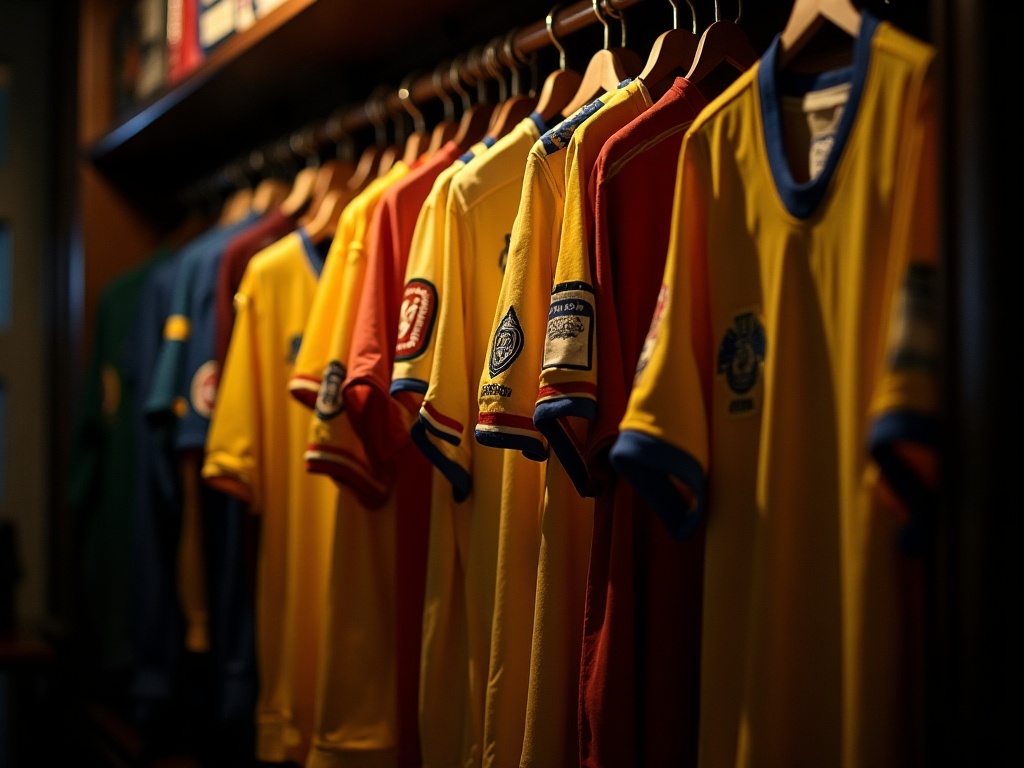
Let’s start with the safest route for buying an authentic vintage football jersey: stores and sites dedicated to retro football. These players select, verify, and authenticate their stock. Unlike generalist platforms, they stake their reputation on every piece sold.
Concept Jerseys: Exclusive Concepts and Limited Editions
For those hunting a reimagined vintage jersey or a collector’s creation blending heritage with contemporary design, the concept jersey collection of exclusive designs from Concept Jerseys offers limited-edition releases you won’t find anywhere else. Each piece is crafted as a passion object, not just fabric. The editorial line is clear: pay homage to an era’s aesthetic while delivering a new, quality-controlled product with no ambiguity about its nature.
The site also features retro jerseys from iconic clubs for those who want the look of a specific decade without compromising on build quality. It’s the ideal option if the original is unavailable or out of budget.
Classic Football Shirts (UK)
Based in Manchester, Classic Football Shirts has been a global reference since 2006. Stock of over 100,000 authenticated jerseys, condition ratings (Excellent, Very Good, Good), and a clear return policy. Prices reflect real rarity: a Barça 1995-96 Kappa jersey in good condition runs around $91 to $160 depending on size. It’s a solid benchmark to calibrate your market knowledge before buying anywhere else.
Vintage Football Shirts
Another solid UK player. Smaller catalog than CFS but often rarer pieces, especially 1980s-1990s English division 2-3 club jerseys. Clear interface, photos from multiple angles, detailed descriptions of any flaws. Notable strength: customer service answers authenticity questions before purchase, which is rare on this type of platform.
Retro Football Club (France)
A French-language option very useful for vintage Ligue 1 jerseys: Saint-Etienne 1976, PSG 1994, Monaco 1988. Smaller stock than UK platforms but availability in standard sizing and fast local shipping. For French pieces from the 1970s-1980s, this is often the most reliable source since sellers specializing in the domestic market know the Le Coq Sportif and Adidas France productions of that era best.
eBay and Vinted: Bargains and Traps
Generalist second-hand platforms remain a goldmine, as long as you know how to filter. They host millions of listings but also the highest authenticity risks.
eBay: Volume, But Vigilance Required
eBay holds the widest global supply of used vintage football jerseys. Thousands of private and professional sellers move their stock there. Pros: sometimes rock-bottom prices on lesser-known pieces, auction options. Cons: frequent fakes on major brand jerseys (Nike, Adidas, Umbro from the 1990s).
Here’s a comparison table of the main platforms to visualize differences in risk level, price, and reliability:
| Platform | Risk Level | Price Range | Authentication |
|---|---|---|---|
| Classic Football Shirts | Low | $34 – $342 | Yes, by internal team |
| Vintage Football Shirts | Low | $29 – $285 | Yes, multi-angle photos |
| eBay (rated pro sellers) | Medium | $11 – $456 | Partial, buyer verification |
| Vinted | Medium | $6 – $137 | None, private sellers |
| Garage/Yard Sales | Variable | $1 – $57 | None, personal expertise required |
| Social Media (groups) | Medium | $17 – $342 | Community (non-official) |
Trust criteria to check before any purchase on eBay:
- Seller with more than 50 positive reviews specifically for jerseys
- High-resolution photos of interior tags (size, composition, country of manufacture)
- Description that mentions flaws (fading, snags): sign of good faith
- eBay money-back guarantee activated (buyer protection)
Vinted: The Local Secondhand Market
Vinted has been growing strongly in vintage jerseys since 2023. The advantage: individual sellers clearing out real family collections at below-market prices. The downside: limited knowledge about authenticity, often vague descriptions.
Practical tip: use search filters with the exact brand + year + club. “Marseille Adidas 1992 jersey” will yield better results than “OM vintage jersey.” And always ask a question before buying: the seller’s responsiveness and precision in their answer is already a reliability indicator.
Flea Markets, Garage Sales, and Collector Shows
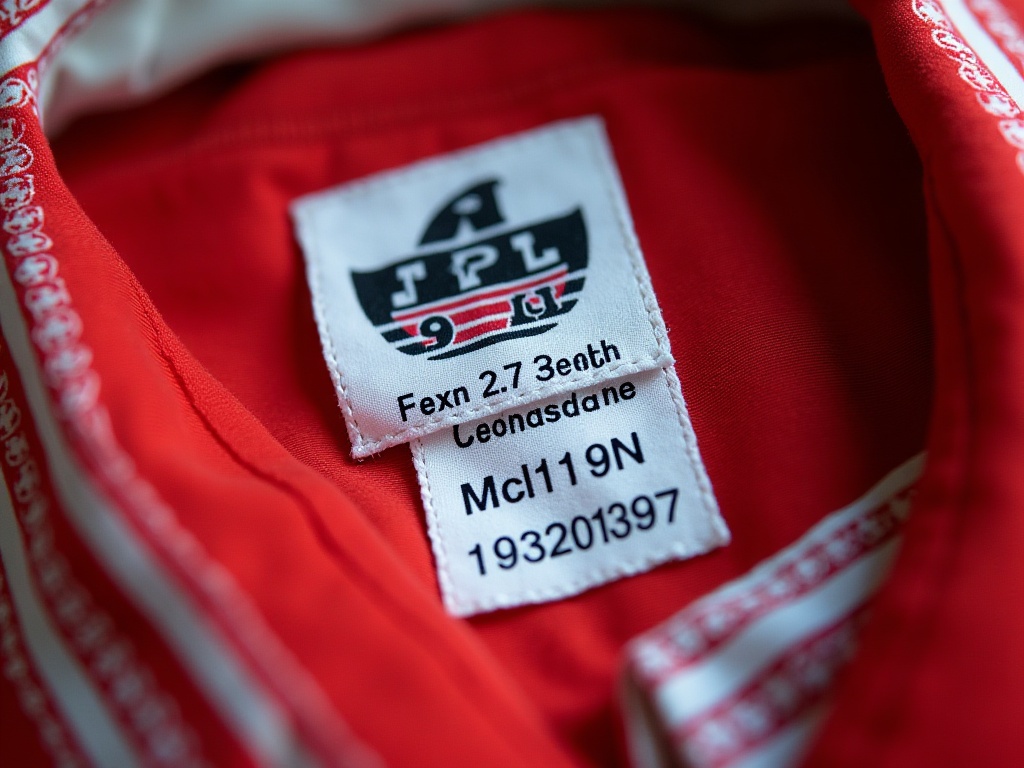
Buying in person remains a unique experience. You feel the fabric, check the tags for real, negotiate directly. For an enthusiast, it’s also a way to build tactile knowledge that no photo can replace.
Football Shows and Collector Conventions
Events like the National Sports Collectors Convention or dedicated memorabilia shows gather specialized sellers each year. Some exhibitors sell only authentic jerseys, with deep expertise on Umbro, Adidas, or Nike productions from the 1980s. These shows are also learning hubs: spending an hour talking with an experienced seller beats any authentication blog post.
Garage Sales: Treasure Hunting
The probability of finding a rare vintage jersey at a standard garage sale remains low. But when it happens, prices are a steal. Key areas to target: cities with a strong soccer culture (like the Northeast, Midwest, or West Coast for European leagues), and summer sales when families clear out decades-old basements.
Know your subject before going. A 1970s St. Etienne jersey in real wool, with a Le Coq Sportif tag, is recognizable by touch. Without that knowledge, you’ll walk past gems without seeing them. Spend an hour on the Football Kit Archive website before your next outing: this free catalog references jerseys by club, season, and manufacturer. A valuable visual reference in the field.
Social Media and Collector Communities
Instagram, Facebook, and Reddit host active communities where rare retro soccer jerseys are traded, often before they hit the big platforms. These spaces rely on trust and reputation: a bad seller is publicly called out within hours.
Instagram: Reseller Showcases and Private Collections
Accounts like @classicfootballkits or independent resellers post their stock in stories with a quick reservation system. Pieces sometimes sell out in minutes. Turn on notifications for accounts that interest you. On Instagram, serious resellers always include the exact season, condition, and price in the visual: that’s a professionalism sign you can use as a filter.
Dedicated Facebook Groups
The group “Classic Football Shirts & Kits – Buy/Sell/Trade” has over 80,000 active members worldwide. Direct transactions between enthusiasts, generally high trust levels since the community self-regulates (public reports of bad sellers). Similar logic applies to local specialized groups like “Vintage Football Shirts USA.” These groups are also useful for getting price estimates before selling or buying.
Reddit r/footballkits
The most active English-speaking community for authenticity. Post a photo of a jersey you’re thinking about buying, and experienced collectors will tell you within 30 minutes if it’s legit, the exact season, and whether the price is fair. Free service, real expertise. The subreddit also has a dedicated wiki covering the most common fakes by brand and decade.
How to Spot an Authentic Vintage Jersey: Key Points
No matter where you buy, this step is unavoidable. A well-made fake can fool an unsuspecting buyer, especially with major clubs from the 1990s. Here are the three levels of verification pros apply before every purchase.
Inner Tags: First Line of Verification
Each manufacturer had its own tags depending on the era. Adidas used a “Made in West Germany” tag until 1990. Umbro had a specific production code system. Le Coq Sportif manufactured locally until the mid-1990s. A “Made in Thailand” tag on a jersey supposedly from 1985 is an immediate red flag. Knowing these chronological benchmarks is the foundation of any serious authentication.
The Fabric and Fit
Jerseys from the 1980s are generally looser, thicker, and have a very different drape compared to modern cuts. Official reissues sometimes reproduce the graphics but with modern fabrics and fits, which clearly sets them apart from originals. That’s not a flaw if you know what you’re buying—it’s a problem if you’re paying original prices for a reissue. The Concept Jerseys editions are always clearly presented as such, with no ambiguity.
Badges and Printing
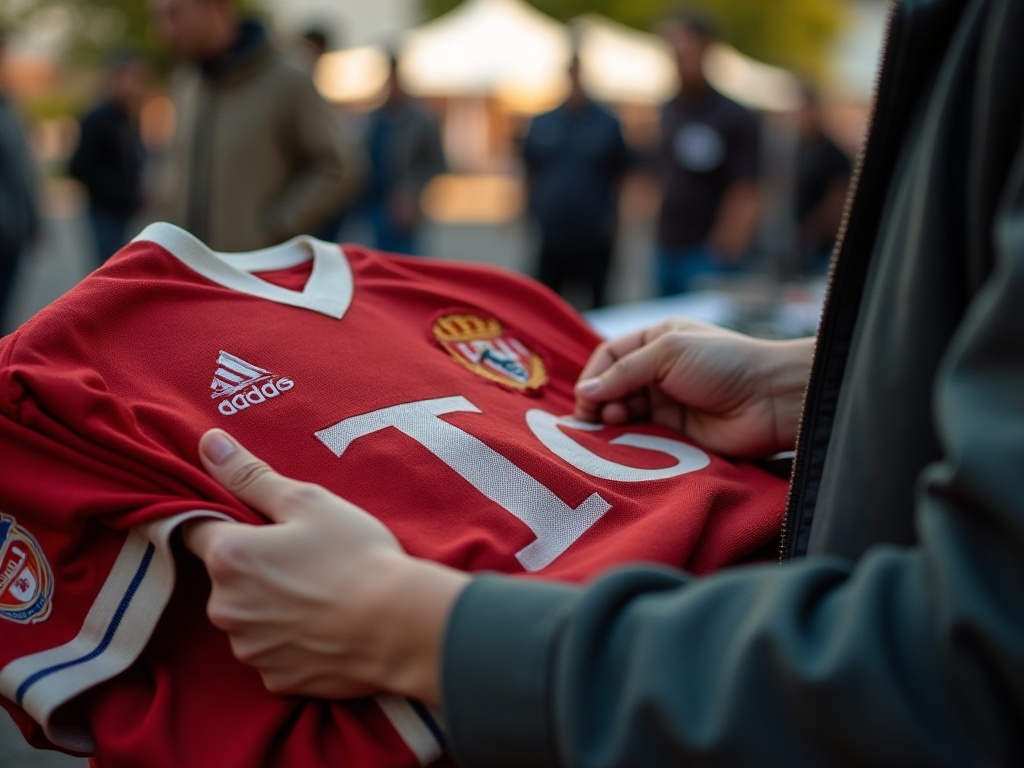
On originals, club crests are often embroidered (tactile relief). Fakes frequently use flat, plasticky transfers. The numbering on period jerseys has a specific matte finish, very different from the glossy vinyl of modern reproductions. On match jerseys from the 1980s and 1990s, the printing is sometimes even felt sewn on—a detail no cheap reproduction gets right.
Frequently Asked Questions About Buying Vintage Jerseys
Everything you’re wondering (click to expand).
What budget should you plan for an authentic vintage soccer jersey?
Prices vary wildly depending on the club, decade, and condition. A secondary club jersey from the 1990s in good condition goes for between $28 and $69. A major European club jersey (Barcelona, AC Milan, Manchester United) from the 1980s-1990s in excellent condition can exceed $228. Pieces with period printing of an iconic player (Zidane, Ronaldo, Cantona) can reach $456 to $912 depending on rarity. To start a collection without excessive financial risk, English or French second division club jerseys from the 1990s offer the best value/price/authenticity ratio.
How to tell an official reissue from an original vintage jersey?
Official reissues (produced by Adidas, Nike, or third-party brands) usually state it on the tag with mentions like “Retro Edition” or “Classic.” The fit is modernized (slimmer), the fabric is lighter and more technical. The original will have a looser fit, heavier fabric, and a production tag with a country and period consistent with the claimed era. The quickest test: compare the fabric weight. An authentic 1980s jersey weighs noticeably more than a modern reissue or a fake.
Are Concept Jerseys editions fakes or originals?
The creations of Concept Jerseys are original concept editions, clearly identified as such. They are not fakes: they are collector pieces created with a deliberate vintage aesthetic, produced in limited series. They appeal to fans who want a unique item with a retro spirit, different from an authentic original but also different from a fake. Each piece is sold and labeled as a “concept edition,” with no deception about its nature.
Is Vinted reliable for buying vintage jerseys?
Vinted offers buyer protection through its built-in dispute system. If the jersey you receive doesn’t match the description, you can open a case and get a refund. Reliability mainly depends on the individual seller: read reviews, ask specific questions about tags before buying, and request extra photos if needed. A seller who responds quickly and precisely is already a good sign. A seller who doesn’t know the exact season or manufacturer of a jersey they’re selling deserves more caution.
Are there physical stores specializing in vintage jerseys locally?
A few physical stores exist in major cities: New York (notably in the East Village and Williamsburg), Los Angeles, Chicago, and San Francisco have addresses specializing in vintage sportswear, some with dedicated football sections. A local search “vintage football jersey store [city]” gives current addresses, with stock changing very often. These stores are also useful for getting started with authentication: managers often agree to comment on a piece you bring in for expert opinion.
Which decade offers the best rarity-to-price ratio for starting a collection?
The 1990s remain the best entry point for a beginner collector. Jerseys are old enough to have real heritage value, still abundant enough to find pieces at reasonable prices, and available documentation (match photos, online databases) makes it easy to verify authenticity. The 1980s offers rarer and more valuable pieces, but the risk of authentication error is also higher for an untrained eye. Check out the retro jersey guide by decade to refine your choice.
Building Your Collection Without Spreading Too Thin
Buying a vintage football jersey is one thing. Building a real, cohesive collection is another. The most respected collectors have a guiding theme: a specific decade, a manufacturer, a club, a competition (European Cup only, for example). This specialization creates a real narrative behind the pieces and also increases the resale value of the entire collection.
This focus makes you an expert on a specific segment. You spot fakes faster. You know the real prices. You know when a piece is undervalued. And you build something with real narrative coherence, not just a pile of fabric. Antho, after 20 years of collecting, always advises beginners to choose a manufacturer first rather than a club: mastering Umbro’s or Hummel’s visual codes over two decades is expertise few sellers can challenge.
For beginners, our retro jersey guide by decade is a great starting point to identify the eras that really appeal to you before making a purchase. And if you’re looking for an exclusive piece to start or complete a collection, check out the limited editions available at Concept Jerseys—some sell out within days. The advantage of a concept edition over a rare original is the absolute certainty of what you’re getting: no surprises, no fakes, no disappointment when opening the package.
The shop
Find your jersey
Clubs, national teams, concept and retro designs. With your name and number, if you like.
- Free shipping from $65
- 3 jerseys = 1 free
- 14-day returns