SPECIAL OFFER BUY 3 JERSEYS = GET 1 FREE

Match jersey explained: full definition and guide to spotting the authentic one
The complete definition of a match jersey in soccer: what this term really means, how to tell it apart from match-worn or replica jerseys, the 7 authenticity signs to check, and market prices in 2026.
In this article6 sections
- What “Match Issue” Really Means for a Soccer Jersey
- Match issue vs match worn vs replica: the comparison table
- How to spot a real match-issued jersey: 7 concrete signs
- The market value of a match-issued jersey in 2026
- Frequently asked questions about the match issue jersey
- Where to find reliable match issue jerseys and how to avoid scams
What “Match Issue” Really Means for a Soccer Jersey
A match issue jersey has been circulating in the football and collecting market for years, often confused with other levels of authenticity. Yet the distinction is clear. A match issue jersey is a copy prepared specifically for a professional player ahead of an official match, but it wasn’t necessarily worn on the pitch.
Antho will tell you straight up: knowing this term means you won’t pay match-worn prices for something that wasn’t actually worn. And conversely, it helps you spot a rare piece of value when nobody else sees it. After twenty years of hunting Premier League kits at London markets and Madrid auction rooms, this nuance has been a game-changer more than once.
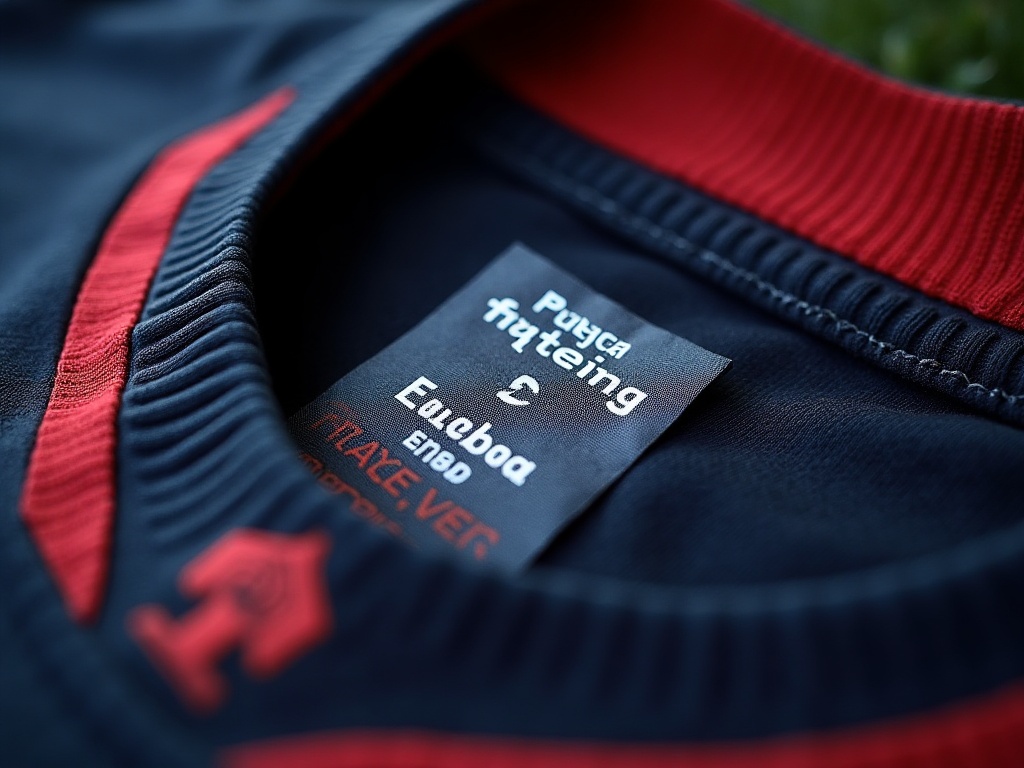
The difference from a standard authentic jersey comes down to several precise technical details. Pro lettering and numbering, reinforced athletic cut, sometimes a match number printed inside the collar—these elements make all the difference in value.
Match issue vs match worn vs replica: the comparison table
Three terms, three very different realities. Here’s how to tell them apart without any doubt:
| Category | Prepared for player | Worn in match | Sold to standard public |
|---|---|---|---|
| Match Issue | Yes | Not necessarily | No |
| Match Worn | Yes | Yes (proven) | No |
| Replica / Fan Version | No | No | Yes |
| Player Issue (PI) | Yes (player stock) | Not intended | No |
The nuance between “match issue” and “player issue” is subtle. The former is customized with the player’s name and number for a specific match. The latter comes from the club or manufacturer’s general stock, without being assigned to a particular game. If you want to dig deeper into pro finishes, also check out our guide on limited edition football jerseys that push these codes to the extreme.
It’s precisely to better illustrate this boundary between player issue and match issue that our own Concept series adopts the same cut and lettering codes as the pro versions, while staying accessible. You’ll find a good example below with our complete collection.
Why a match issue jersey may not have been worn
Clubs often prepare two or three copies per player for each game. Last-minute injury, tactical change, benching at the last second: many of these jerseys never make it to the pitch. They stay in the equipment room, then end up being traded, auctioned off, or donated.
It’s precisely this trajectory that creates collector value. A brand-new jersey, never washed, with all pro details intact, represents an ideal preservation state for a collector. Antho personally saw an Arsenal 2003-2004 example (the Invincibles season) customized with a substitute’s name who hadn’t played a single minute: the pristine condition of the fabric gave it a higher valuation than a worn and repeatedly washed example.
How to spot a real match-issued jersey: 7 concrete signs
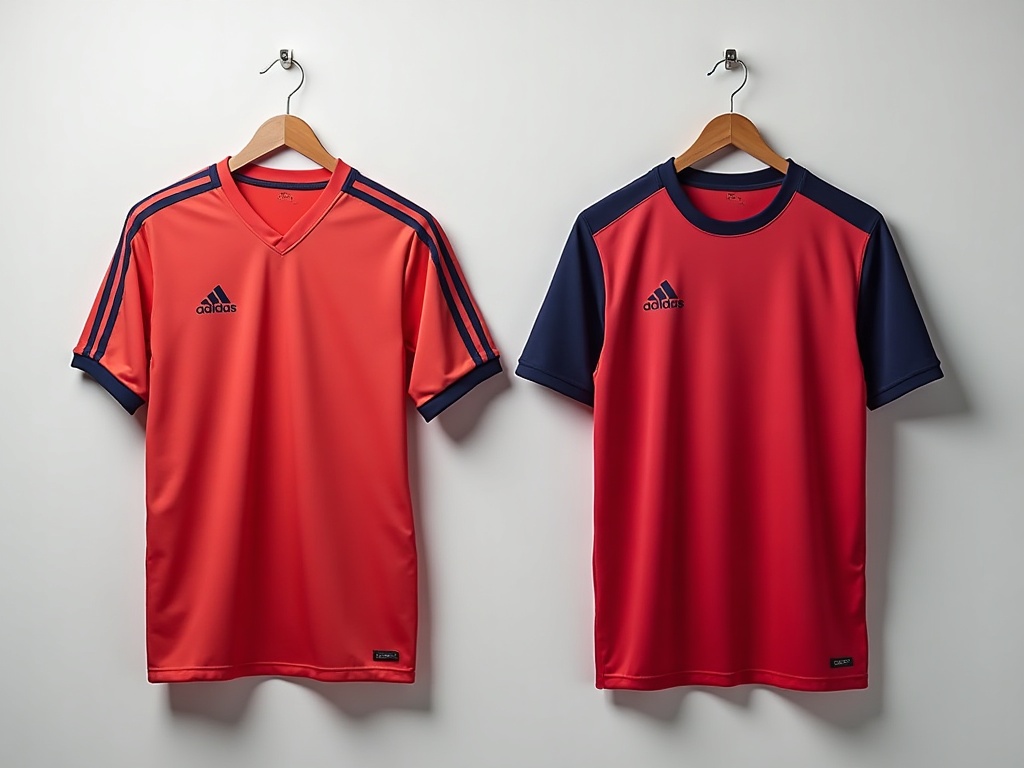
Identifying a genuine match-issued soccer jersey takes a sharp eye and some technical know-how. Here are the points to check systematically.
- Snug athletic fit: Pro versions are cut for elite physiques. They run small with no excess fabric in the back or sides.
- Heat-pressed or pro-grade print: Letters and numbers are applied using a different technique than the replica version. In major leagues, pro printing holds up better through repeated washes and has a slightly raised feel.
- Different inner tag: Look for a “Player Issue,” “Pro,” “Elite” mention, or an athlete-size code (e.g., “M / 176-182” instead of just “M”). Some manufacturers add an internal lot number.
- No retail price tag: An authentic specimen never went through a general retail distribution network. No store stickers, no shop barcodes.
- Integrated sponsors: Pro versions carry the same sponsors seen on match day, including secondary sponsors sometimes missing from replicas sold at official outlets.
- Player name printed per game: For a Champions League match, the name follows UEFA format. For a league match, the domestic format. This consistency detail is tough to fake.
- Match or season number printed: Since the 2010s, some clubs (especially in the Premier League and Bundesliga) discreetly print the match number or season inside the collar.
The market value of a match-issued jersey in 2026
The market has surged significantly since 2020. Several factors explain this rise:
- The growth of sports-related NFT sales has trained a new generation to put a premium on authenticity.
- Major sports auction houses (Goldin Auctions, Heritage Auctions) now feature dedicated lots for pro jerseys.
- Clubs themselves host official sales of their season stock, creating direct traceability.
In practice, here are the ranges seen on the secondary market in 2026 for certified match-issued soccer jerseys:
| Jersey profile | Indicative price range |
|---|---|
| Match-issued, unknown player, top-division club | $91 – $229 |
| Match-issued, known starter, major European club | $399 – $1,026 |
| Match-issued, global superstar, final or World Cup | $5,700 – $57,000+ |
| Match-issued special edition (third kit, cup final patch) | $684 – $2,850 |
These figures vary based on condition, presence of a certificate of authenticity (COA), and the notoriety of the player involved. A jersey with a COA directly from the club is worth 30 to 60% more than one without documentation.
The patches that make a difference on a match-issued jersey
Certain details mechanically increase the value of a jersey. Competition patches are the first things to look at:
- UEFA Champions League patch (embroidered stars)
- “Finalist” or “Winner” patch on cup final edition
- Captain’s number integrated into the stitched armband
- Commemorative patch (club centenary, official tribute)
These patches are absent on retail versions or only appear in low-quality printed form. On a match issue jersey, they are embroidered or heat-applied according to the competition’s official specifications. This single detail is often what drives a jersey’s value from $230 to over $910 on Catawiki.

Frequently asked questions about the match issue jersey
Everything you’re wondering (click to expand).
What exactly is a match issue jersey?
A match issue jersey is a jersey specifically prepared by the club for a professional player ahead of an official match. It features the lettering, number, and competition patches corresponding to that exact game. It differs from match worn (worn and proven) and replica (retail version) by its athletic cut, quality of finishes, and lack of commercial distribution.
How to spot an authentic match issue jersey?
Several clues are key: snug athletic cut that fits small, internal label with pro size code (e.g., “M / 176-182”), slightly raised lettering to the touch, presence of secondary match sponsors, and possibly a game number printed inside the collar. Always cross-check these with photo archives of the specific match to validate the consistency of the lettering.
Can a match issue jersey be lettered without a player name?
Yes, in some cases. Substitute goalkeepers or long-term injured players sometimes receive a jersey prepared with only the number, without a name, depending on the club’s internal practices. These remain “match issue” because they were produced as part of an official match preparation.
How to tell a match issue from a well-made fake?
The hardest point to replicate is the athletic cut and fabric quality. High-end replicas copy the look but rarely the material. A good test: compare the fabric weight (pro versions use lightweight technical polyesters, between 120 and 140 g/m²) and check the shoulder seam stitching under raking light.
Does a concept match issue jersey (limited edition) exist?
Some creators offer exclusive concept football jerseys produced in very limited runs with pro finishes identical to match issue versions. These pieces don’t carry official player lettering, but their build quality matches professional standards. It’s a separate category, prized by sports design collectors.
Do you need a certificate to resell a match issue jersey?
Legally, no. But a COA (Certificate of Authenticity) issued by the club, manufacturer, or a recognized auction house multiplies resale value and reassures the buyer. Without a COA, the provenance must be documented through other means: photos, receipts, written testimonials.
Are match issue jerseys wearable daily?
Technically yes, but the athletic fit can be restrictive for standard body types. Many collectors prefer to store them in acid-free bags, away from direct light and humidity. Wearing a rare jersey decreases its resale value, unless the piece is intended for exclusive personal use.
Where to find reliable match issue jerseys and how to avoid scams
The market attracts both enthusiasts and opportunists. A few reliable channels:
- Official end-of-season sales organized by clubs (often via their website or official store).
- Auctions from specialized houses with prior authentication (Catawiki Sport, Goldin, RR Auction).
- Certified resellers who publish their inventory with high-resolution photos of internal tags.
Red flags to avoid: prices too low compared to market value, no photo of the internal tag, sellers who can’t answer specific questions about the season or match origin. A good rule: if the description says “match issue” without giving the player’s name, season, and club, it’s not enough to justify a premium price.
To complete your collection or understand the different generations of vintage and retro soccer jerseys, the 1990-2010 seasons remain the most sought-after. Kits from this era combine rarity, nostalgia, and high build quality.
If you’re looking to wear something close to pro-grade without hitting the secondary market, some limited edition soccer jerseys from Concept Jerseys offer remarkable finish quality at accessible prices. That’s exactly the spirit of our Concept catalog: the look and feel of a match issue jersey for everyday wear, no auctions required.
The shop
Find your jersey
Clubs, national teams, concept and retro designs. With your name and number, if you like.
- Free shipping from $65
- 3 jerseys = 1 free
- 14-day returns