SPECIAL OFFER BUY 3 JERSEYS = GET 1 FREE

Best Football Shirts for Bigger Guys: Cuts, Colors, and Fits That Work
A practical guide to finding football shirts that actually fit and flatter larger builds. Kit walks through the cuts to look for, colors and patterns that do you favors, what to avoid, and which jerseys from Concept Jerseys hit the mark.
In this article7 sections
- Why Standard Sizing Often Fails Larger Builds
- Colors and Patterns That Work for a Fuller Frame
- Fabric Weight and Structure Matter More Than You’d Think
- Specific Cuts Worth Looking For at Concept Jerseys
- Sizing Practically: What the Numbers Actually Mean
- FAQ
- Building a Kit Wardrobe That Works for Your Build
You’ve found the shirt. The colorway is right, the badge means something to you, and then the size chart stops at XL with measurements that clearly weren’t drawn up with real supporters in mind. It’s a familiar frustration for a lot of fans. Finding the best football shirts for bigger guys isn’t just about going up a size. It’s about cut, fabric behavior, color placement, and knowing which jersey silhouettes actually work at 2XL and above versus which ones just stretch awkwardly across the chest.
After years of unpacking stock, holding jerseys up to the window, and hearing back from customers about what works when they actually wear the kit to the match, here’s what I know.
Why Standard Sizing Often Fails Larger Builds
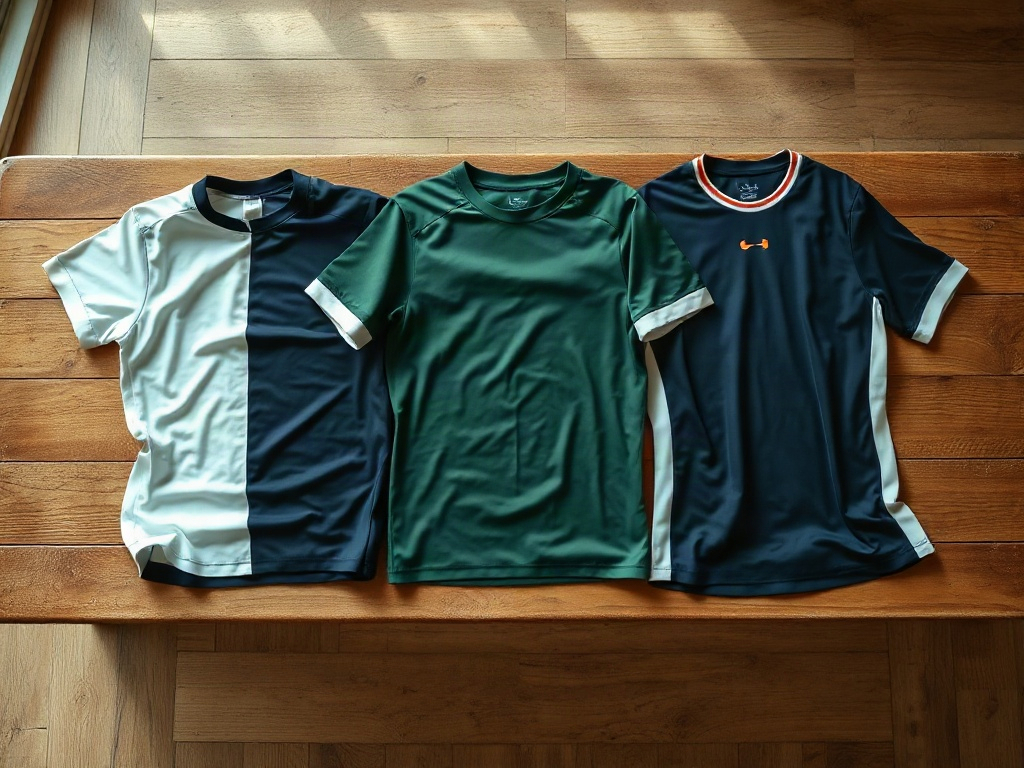
Most football shirt manufacturers size their fan versions for an “average” athletic torso: narrow waist, broad shoulders, flat chest. That template doesn’t account for the fuller midsection a lot of real supporters carry. When a jersey built on that template gets scaled up to a 2XL or 3XL, it doesn’t necessarily widen proportionally. Often the chest gets more room but the waist and hem stay close, creating that pulling-at-the-sides effect that makes the shirt look stretched rather than worn.
The other common failure is the “player fit” or “authentic fit” version. These are cut close to the body so professional players can wear them under thermal layers without bulk. On a larger frame, they cling in the wrong places and ride up at the hem. They’re not made for the stands. They’re made for the pitch.
The difference between fan fit, player fit, and loose fit
The table below distils what actually changes between the three cuts, based on real garment measurements across the brands we stock. Print it out, tape it to your monitor, whatever helps.
| Cut name | Also called | Waist taper | Hem length | Best for bigger builds? |
|---|---|---|---|---|
| Fan fit | Stadium fit, supporter cut | Minimal | Drops to hip | Yes |
| Player fit | Authentic fit, match fit | Aggressive | Short, above hip | No |
| Loose fit | Relaxed, comfort cut | None to slight flare | Long, past hip | Best option |
- Fan fit (also called “stadium fit” or “supporter cut”): wider across the torso, longer hem, drops straight from shoulder to hip without tapering aggressively at the waist. This is the cut you want.
- Player fit (also called “authentic” or “match fit”): close-cut, tapered waist, shorter hem. Looks sharp on a lean build, uncomfortable on most others.
- Loose fit / relaxed: some manufacturers use this as a third category, deliberately fuller than fan fit. For bigger builds, these are the most forgiving option and worth hunting down specifically.
When a jersey page says “slim fit” anywhere in the description, skip it. That cut doesn’t scale well, and no amount of going up a size compensates for a tapered waist built into the pattern.
Colors and Patterns That Work for a Fuller Frame
Color theory applied to sportswear isn’t complicated, but it’s worth understanding the basics because a lot of football kits work against you if you’re not paying attention.
Dark, solid colors do real work
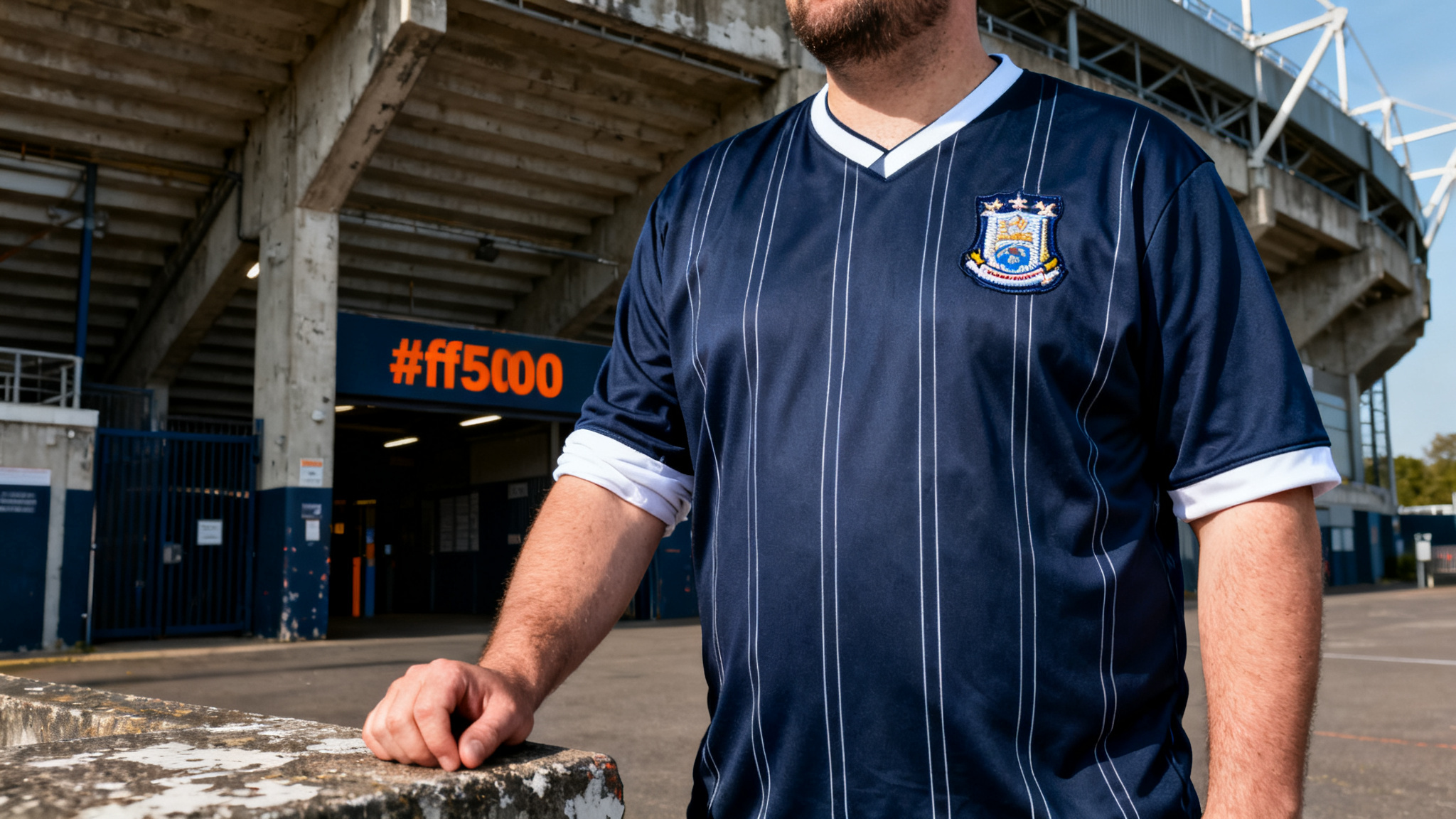
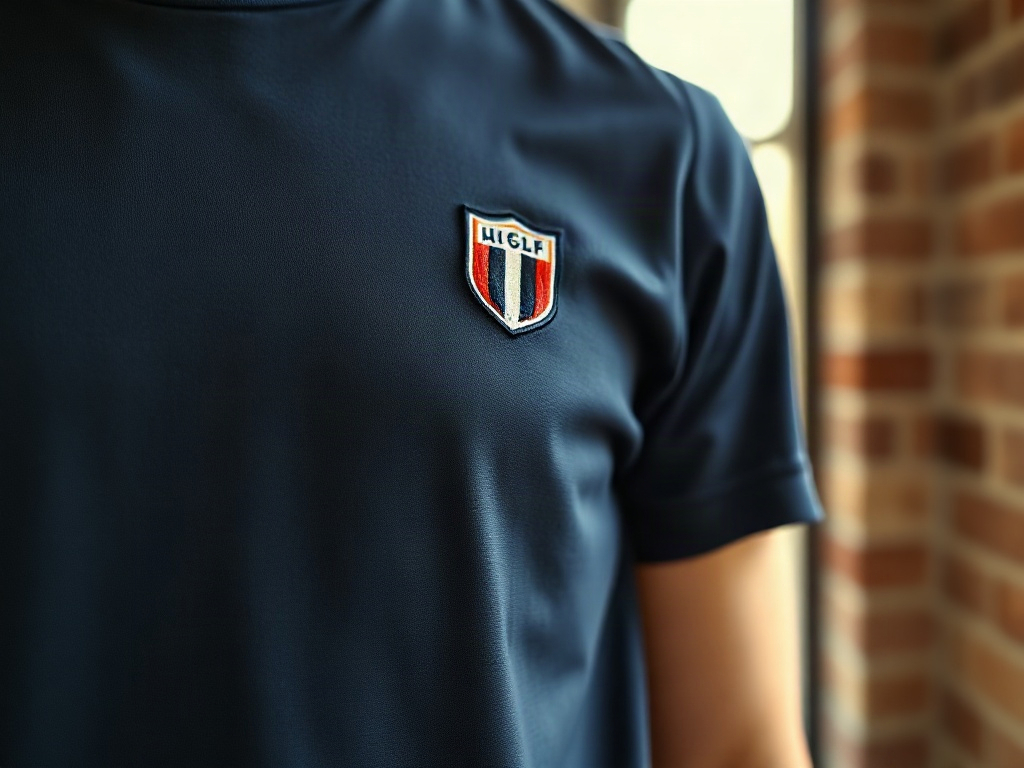
Deep navy, forest green, black, and dark burgundy all absorb light rather than reflecting it. That reduces the visual emphasis on the torso. A solid dark jersey reads as a single vertical plane rather than a shape with contours. This is why a loose-fit dark football jersey for bigger supporters will almost always look better than the same shirt in white or pale yellow.
That doesn’t mean you can never wear a light-colored shirt. It means you should think about where the light color sits. A dark main body with white sleeves or white trim can work well because the contrast draws attention upward, toward the shoulders and chest, rather than across the midsection.
Vertical lines are your allies
Classic vertical stripe designs have been part of football kits since the Victorian era. Sheffield FC, the world’s oldest football club (founded 1857), was already experimenting with striped colors in the 1870s, and by the 1880s vertical stripes had become a distinguishing mark for clubs across England. They remain one of the most flattering patterns for fuller builds regardless of their origin. The eye follows the line downward, creating a lengthening effect. Thin vertical pinstripes, bold vertical panels, or shadow stripe patterns printed into the fabric all do this job well.
Horizontal stripes are the opposite. Bold horizontal bands across the chest and stomach read as widening. Hoops that wrap around the full body are particularly tricky on a fuller frame. They’re not unwearable, but they require more careful sizing to look right.
Patterns to approach carefully
- Wide horizontal hoops (especially two-tone at equal width): widen the visual silhouette.
- Large graphic prints or all-over digital patterns across the chest: draw attention to the widest point of the torso.
- Neon or very bright all-over colorways: high visibility works against the goal of a clean, elongated silhouette.
- Tight diagonal stripes at 45 degrees: these can create a disorienting visual shear across the body.
Fabric Weight and Structure Matter More Than You’d Think
Thinner, lighter fabrics drape differently than heavier weaves. A very lightweight polyester mesh (the kind used in modern match shirts, typically 100-120 gsm) tends to cling to the body and outline every contour. A mid-weight fabric in the 150-180 gsm range holds its shape away from the body, creating a clean line rather than a body-mapped silhouette. That 30-60 gsm difference is often invisible in a product photo but immediately obvious the moment you put the shirt on.
Concept jersey designs often use slightly heavier fabric constructions than mass-market replicas. That’s a deliberate choice, and it pays off for bigger builds specifically. The shirt holds its shape through a full 90 minutes in the stands, doesn’t cling after you’ve been walking in it for a few hours, and washes without losing its body over time.
Cotton-polyester blends (typically around 60% polyester, 40% cotton or close to that ratio) give you a middle ground: breathable enough for warm days, structured enough to drape well. Pure technical polyester meshes are best left to the pitch. And if you’re considering an embroidered crest over a heat-transfer badge, go for the embroidery: the added weight at the chest panel actually helps the front of the shirt hang squarely rather than drifting to one side on a looser cut.
Specific Cuts Worth Looking For at Concept Jerseys
When I’m pulling stock for bigger sizes, these are the criteria I apply before anything else hits the shelves.
Relaxed-cut concept designs with clean vertical structure
The strongest options for larger builds tend to be concept jerseys built around a simple, architectural design: one or two colors, vertical panel construction, no aggressive taper at the waist. The crest sits at chest height without a graphic behind it that draws the eye outward. These shirts read as intentional, not as something that was just scaled up.
Look specifically for designs that use side panels in a slightly darker tone than the main body. This is a classic tailoring trick: a darker side seam panel creates an optical slimming effect by suggesting a narrower waist without actually changing the fit. Some of the most considered concept jersey designs we carry use this approach, and it works.
Heritage-inspired loose fits
Retro-cut jerseys from eras before the slim-fit revolution (think early 1990s proportions, roomy sleeves, generous hem) happen to be ideal for bigger builds. The proportions were designed for a different era’s idea of athletic wear, which means more room across the chest and torso without looking oversized. A concept jersey that takes design cues from a club’s 1992 or 1993 kit while using modern fabric will often sit better on a fuller frame than anything built on contemporary athletic sizing.
The full concept jersey collection includes a range of these heritage-proportioned designs. Filtering by “relaxed fit” or checking the size guide for body width at the hem (rather than just chest) is the fastest way to identify the right options.
🎽
Recommended: Heritage Relaxed Fit Collection
Mid-weight 160 gsm cotton-poly blend. Straight-drop side seams with no waist taper. Chest measurements run a genuine 2-3 inches fuller than the label suggests, which is exactly what you want at 2XL and above. Available up to 4XL on selected designs.
Dark-colorway special editions
Away and third kits have historically given designers more creative freedom, and they’ve also historically skewed darker in colorway. Deep navy third kits, all-black away designs, dark forest green alternatives: these come up regularly in concept jersey production and they combine the color advantage (dark absorbs light) with the design freedom that makes concept work interesting. For bigger builds, a dark-colorway away jersey or third kit alternative is often the most flattering choice in the range.
🌑
Recommended: Dark Colorway Third Kit Editions
All-black and deep navy concept designs with shadow-stripe weave woven into the fabric (not printed on top, so it doesn’t crack or peel). Side panels run 10% narrower in tone than the main body, creating that optical taper without changing the actual cut. Sizes 2XL-3XL available on current designs.
Browse Dark Colorways
Sizing Practically: What the Numbers Actually Mean
Sizing across football jersey manufacturers is genuinely inconsistent. A 2XL from one brand fits like a large from another. The only reliable approach is to measure yourself and compare to the brand’s actual garment measurements, not to the generic “size guide” chart that maps sizes to heights and weights.
The measurements that matter for a full-fit jersey:
- Chest: measure around the fullest point of your chest, keep the tape firm but not tight. Add 4-6 inches to that number for a comfortable fit. Add 6-8 inches for a relaxed fit.
- Hem width: this is the width of the shirt at the very bottom edge, laid flat. It tells you whether the shirt tapers to the waist or drops straight. Straight drop or slight flare at the hem is what you want.
- Body length: measured from the back of the collar to the hem. For most adult men, 28-30 inches at the back is the range that keeps the shirt from riding up during movement.
At Concept Jerseys, every product listing includes garment measurements, not just size labels. If you’re between sizes, go larger on hem width and body length rather than chest. A shirt that’s a centimetre loose across the chest but sits properly at the hip will always look better than one that fits the chest but pulls at the hem.
FAQ
What size should I order if I’m a 48-inch chest?
A 48-inch chest typically falls in the 2XL range for fan-fit jerseys, but always check the garment’s actual chest measurement rather than the size label. You want the jersey chest measurement to be at least 52-54 inches for a comfortable fit. Some brands run their 2XL at exactly 48 inches, which would be uncomfortably tight. Look for a 3XL if the 2XL’s listed chest measurement is within 2 inches of your own.
Are concept jerseys available in sizes above 2XL?
Yes, a growing number of concept designs in our range go up to 3XL and occasionally 4XL. Availability varies by design. The size filter on the concept jerseys collection page lets you filter by available sizes before browsing, which saves the frustration of finding a design you love that doesn’t come in your size.
Do football shirts shrink after washing?
Polyester-dominant jerseys (over 80% polyester) hold their size reliably through machine washing at 30°C or below. Cotton-polyester blends can shrink slightly on the first wash, typically 2-4% in length. If you buy a cotton-blend jersey that fits perfectly out of the package, consider hand washing or a cold delicate cycle for the first two washes to minimise shrinkage.
Can I get a jersey altered to fit better?
Yes, and it’s worth doing if you find a design you love. A tailor can take in a jersey that’s too wide at the sides, let out side seam allowance if there’s fabric to work with, or shorten a hem. The limitation is embroidery and printed graphics: these can’t be moved, so major structural changes that would affect the crest position aren’t feasible. Fit adjustments at the side seams are straightforward for most tailors and cost $15-35 depending on complexity.
Are horizontal stripe kits always unflattering for bigger builds?
Not always. Narrow horizontal stripes (under an inch wide) on a dark background can work well because the contrast is subtle. The problematic designs are wide, bold, high-contrast hoops where the stripe width is 3 inches or more. A classic thin-stripe or shadow-stripe design on a dark navy or green base is generally fine on a full frame. The key variable is contrast ratio, not stripe direction alone.
What fabric GSM should I look for in a football shirt if I want structure and drape?
For a shirt that holds its shape without clinging, aim for 150-180 gsm. Anything below 130 gsm is typically a match-grade technical mesh that maps to the body. Anything above 200 gsm starts to feel heavier than most fans want for a warm matchday. The 150-180 gsm range, especially in a cotton-poly blend, is the sweet spot for bigger builds: structured enough to drape cleanly, light enough to wear for hours without feeling weighed down.
Building a Kit Wardrobe That Works for Your Build
The practical upshot of all of this is simpler than it sounds. Prioritize fan fit or relaxed fit over player fit. Go dark for match days when you want to look sharp without thinking about it. Vertical structure and side panels earn their place in the wardrobe faster than anything else. And measure the garment, not just the size label.
The supporters I’ve seen look best in their kit aren’t necessarily the ones who spent the most or tracked down the rarest design. They’re the ones wearing a shirt that fits them properly and a colorway that suits them. A well-chosen concept jersey in the right cut and color does exactly that, without compromise and without requiring a specialist wardrobe. You wear it to the match, it feels right, and that’s the whole point. ⚽
The shop
Find your jersey
Clubs, national teams, concept and retro designs. With your name and number, if you like.
- Free shipping from $65
- 3 jerseys = 1 free
- 14-day returns