SPECIAL OFFER BUY 3 JERSEYS = GET 1 FREE

Best Places to Buy Soccer Jerseys in 2026: What Actually Matters
A no-nonsense breakdown of the best places to buy soccer jerseys in 2026, covering official stores, specialist retailers, resale platforms, and concept jersey shops. Each option is weighed on price, authenticity, range, and what kind of buyer it actually suits.
In this article9 sections
- Official Club Stores and Brand Sites: The Safe Bet With Real Caveats
- Specialist Soccer Jersey Retailers: The Middle Ground Worth Knowing
- Resale Platforms: Where Rarity Lives, and Where Fakes Hide
- Concept Jersey Shops: The Category That Changed What “Best” Means
- Channel Comparison: Official vs. Specialist vs. Resale vs. Concept vs. Grey Market
- Factory-Direct and Grey Market Sites: The Honest Truth
- Social Media Drops and Independent Designers
- Frequently Asked Questions about Buying Soccer Jerseys
- Making the Right Call for Your Specific Situation
Buying a soccer jersey used to be simple. You walked into a club shop or a Sports Direct, picked your size, and left. That was the whole transaction. The market in 2026 looks nothing like that anymore. Official stores, specialist retailers, resale platforms, concept jersey shops, and factory-direct sites all compete for the same buyer, and the quality gap between them is enormous. Knowing where to buy soccer jerseys is now genuinely worth thinking about before you hand over your money.
I’ve bought jerseys from most of these channels over the years. Some have surprised me. Others have cost me real money for something that looked right on a screen and felt hollow in my hands. Here’s what I actually know about each option.
Official Club Stores and Brand Sites: The Safe Bet With Real Caveats
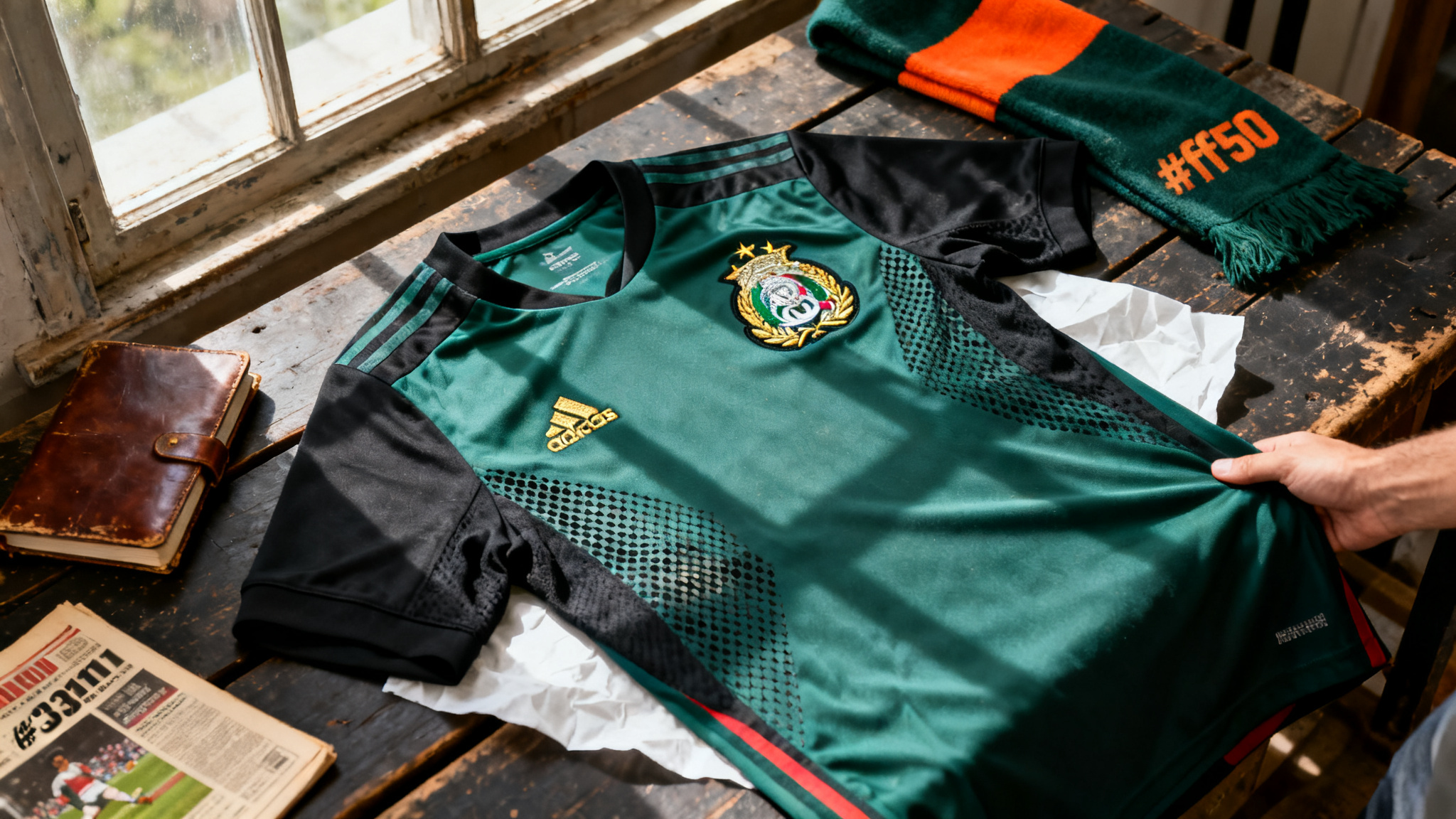
Official club stores and brand sites like Nike, Adidas, and Puma guarantee authentic licensed product, correct embroidery, and consistent sizing, but they limit you to current-season stock at full RRP, typically $90 to $160 for a standard replica in 2026. When you buy directly from a club’s official online store or from one of the major brand sites, you get authentic product. Full stop. The embroidery is correct, the fabric weight matches the player’s issue, and the badge isn’t going to unpick after three washes. For anyone who wants zero doubt about what they’re holding, this is the starting point.
The caveats are real though. Official stores stock current-season kits only. If you want a 2019 Liverpool away shirt or a 2022 Arsenal third kit, you won’t find it here. Price is also fixed at full RRP, which in 2026 means anywhere from $90 to $160 for a standard replica, with authentic player versions pushing closer to $220. There’s rarely a reason to pay less, because they’re not discounting on current stock in the club shop.
What official stores do well: speed of delivery for new releases, guaranteed sizing consistency, and the ability to add name and number printing that actually matches the official font. What they don’t do: range, flexibility, or anything beyond the current commercial catalog.
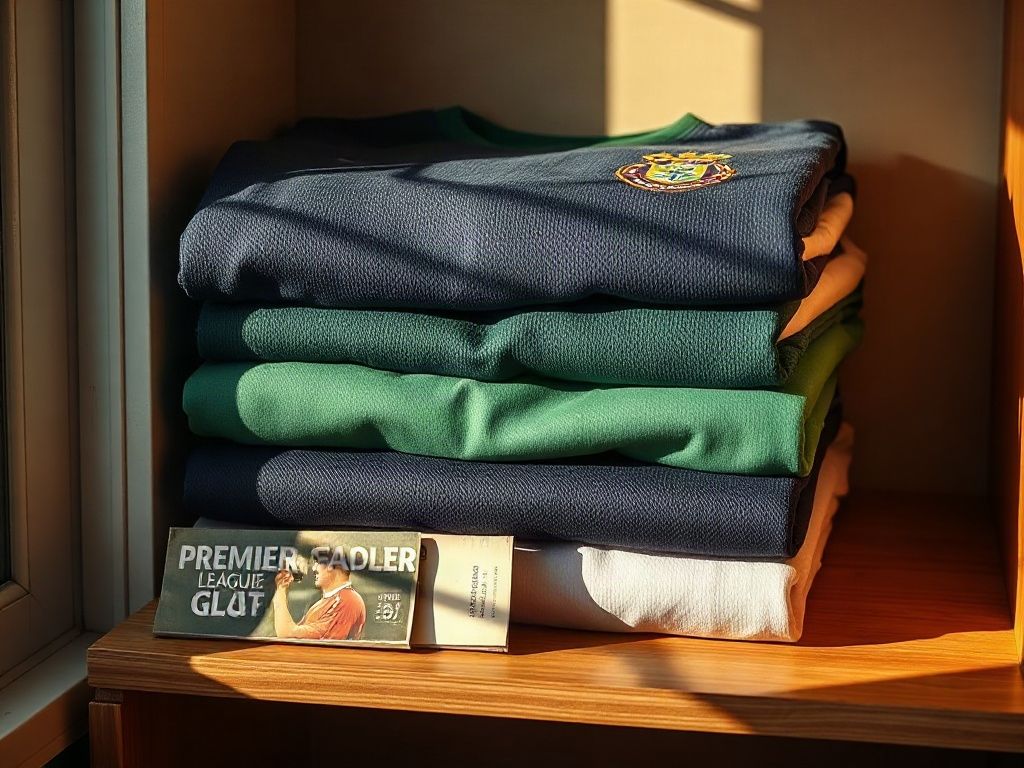
Specialist Soccer Jersey Retailers: The Middle Ground Worth Knowing
Specialist soccer jersey retailers carry licensed product across multiple clubs and seasons, often stocking discontinued kits and lower-league sides that official channels don’t prioritize, making them the most useful tool for anyone building a serious collection. These shops, both physical and online, sit between the official stores and the grey market. The quality here depends entirely on the retailer.
A good specialist will have direct licensing agreements and be buying from the same supply chain as the club shops. A bad one is a middleman holding overstock from questionable sources. The tell is simple: if the price on a current-season authentic jersey is more than 20% below official RRP and the site doesn’t have verifiable licensing information, that’s a red flag worth taking seriously.
What makes a specialist retailer worth using is range. The best ones carry kits from lower-league clubs, international sides, and women’s football that the brand sites don’t prioritize. They often stock sizes and cuts that sell out quickly on official channels. For anyone building a proper collection rather than just grabbing their club’s latest home kit, a trusted specialist retailer is often the most useful tool they have.
Resale Platforms: Where Rarity Lives, and Where Fakes Hide
Resale platforms like eBay, Depop, Vinted, and StockX are the only realistic source for vintage kits more than a few years old, but counterfeits are common enough that buyers need a practical authentication routine before committing to any purchase. If you want a 1998 Argentina home shirt or a 2004 Chelsea away kit, resale is often the only option. The selection is genuinely extraordinary. The risk is proportional to that upside.
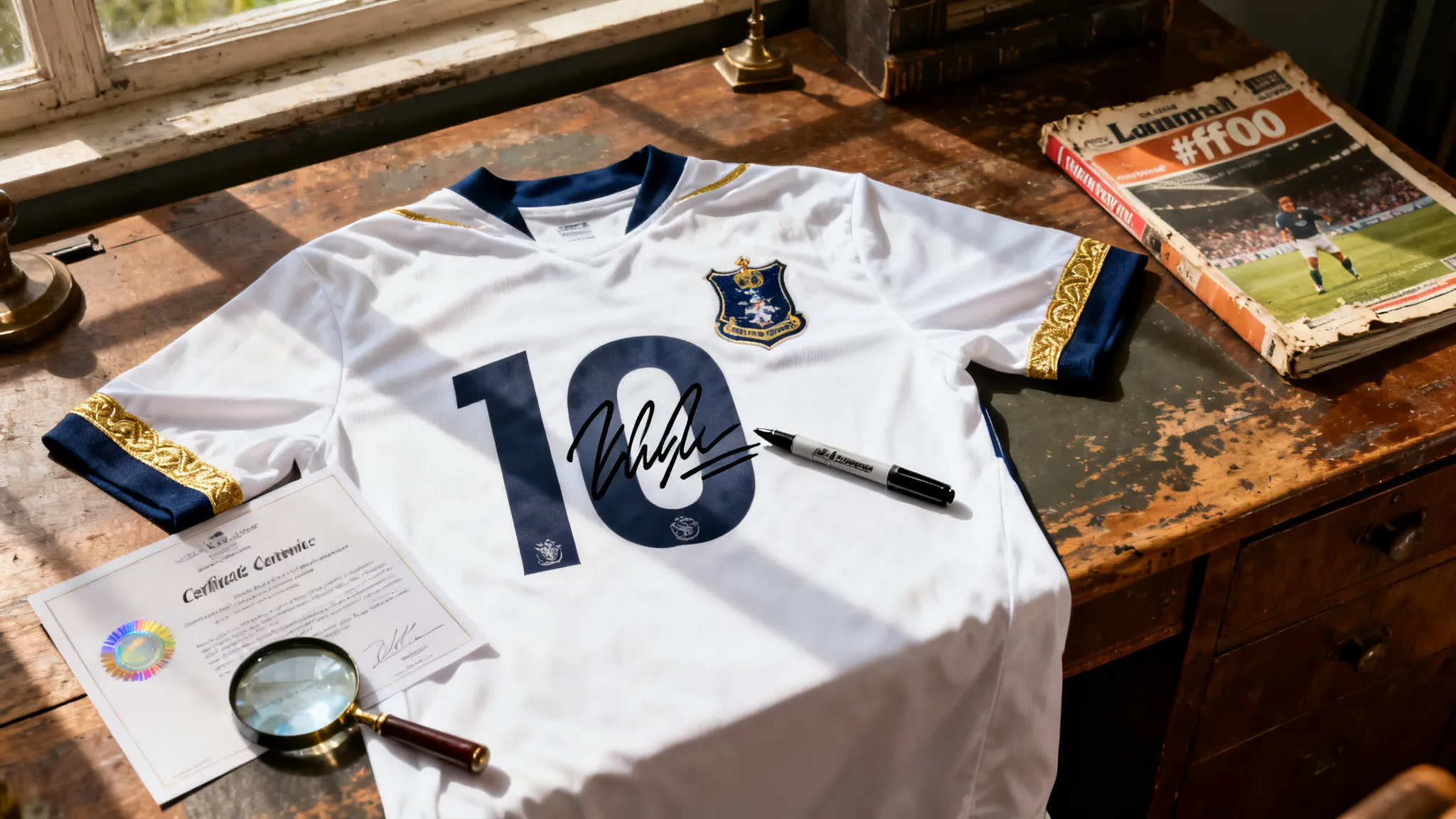
Fakes are common on general resale platforms. The quality of counterfeits has improved significantly over the past decade, and even experienced collectors get burned occasionally. A few practical checks before buying: request a photo of the neck label (font and tag construction are hard to fake accurately), ask about fabric weight if the listing doesn’t mention it, and treat “vintage” claims with scepticism unless the seller can show provenance.
Hold the jersey up to a window before you buy, or ask a resale seller to do it on video. Authentic licensed fabric has a consistent weave pattern and a slight translucency that shows up clearly in strong backlight. Piqué and Dri-FIT-type blends used by licensed manufacturers have a distinctive texture that cheap substitutes don’t replicate. This one habit, what serious collectors call the window test, catches a surprising proportion of fakes that pass every other visual check. If a seller won’t do a backlit shot, that tells you something.
Pricing on resale varies wildly. A common 2010s club shirt might go for $15. A scarce international away kit with original tags attached could reach $400 or more. The platforms take fees, and returns on disputed authenticity claims are inconsistent. For rare kit collecting, resale is unavoidable. For everyday purchasing, it’s more friction than it’s worth.

Concept Jersey Shops: The Category That Changed What “Best” Means
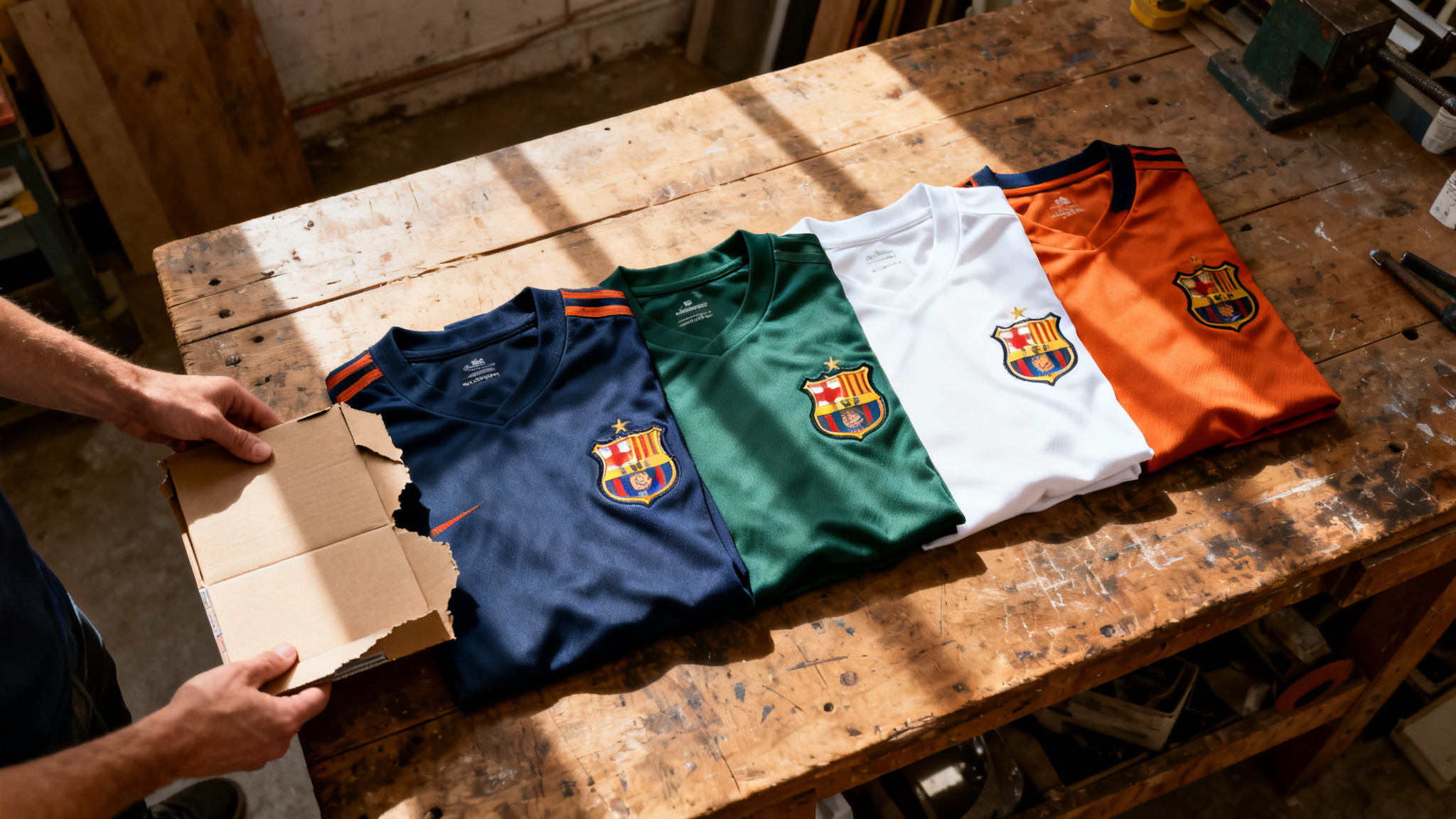
Concept jersey shops have matured into a genuinely premium channel: the best independent retailers now offer embroidered crests at 140-160 gsm fabric weight, historically accurate colorways, and designs for clubs that official licensing never reaches, all at prices well below full licensed RRP. This category has grown significantly since the early 2020s, and the product quality at the top end of the market now rivals licensed replicas in every technical measure.
Concept jerseys are independent designs that imagine what a club’s kit could look like, freed from the commercial constraints that govern official releases. The best designers working in this space understand club history, badge evolution, and the visual language of football kits at a level that the brand design teams, working to multi-club briefs and retailer demands, rarely match.
What to look for in a concept jersey retailer: embroidery rather than heat-transfer badges on any design that calls itself premium, fabric weight stated explicitly (a proper jersey is 140-160 gsm for a classic fit), and accurate sizing charts. At ConceptJerseys.com, every design goes through a quality check before it ships, which is why the embroidery on our crests sits flush rather than puckering at the edge. That detail matters more than most buyers realize until they’ve held both versions.
The practical advantage for collectors is real. Concept jerseys fill the gaps that official releases systematically ignore: historically accurate color combinations that never made it to retail, kits for clubs that don’t have the commercial profile to justify a full Nike or Adidas deal, and designs that prioritize aesthetic coherence over sponsorship placement. Browse our full jersey collections to see the range of clubs and designs we currently carry.
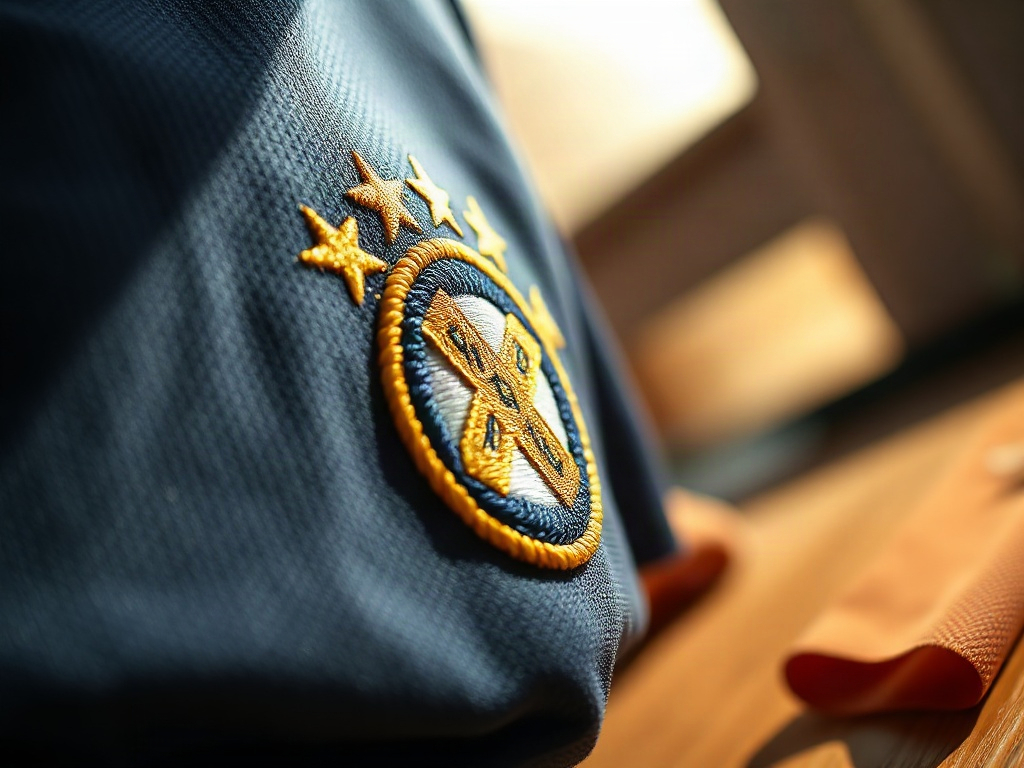
Featured design: 1990s Retro Concept Shirt
This design shows why concept kits have earned their place alongside licensed replicas. 150 gsm performance weave, fully embroidered crest in four-thread gold, and a collarband cut drawn from archival match photography rather than a brand style guide. The kind of detail that matters when you’re wearing it every week, not just on matchday.
Browse new arrivals
Channel Comparison: Official vs. Specialist vs. Resale vs. Concept vs. Grey Market
Choosing between channels comes down to four factors: price, range, authentication certainty, and delivery speed. The table below maps each channel honestly so you can match your priorities to the right source before spending.
| Channel | Typical Price | Range | Authenticity | Delivery Speed |
|---|---|---|---|---|
| Official Store | $90-$220 | Current season only | Guaranteed | Fast (3-7 days) |
| Specialist Retailer | $70-$180 | Multi-club, some discontinued | High (verify licensing) | Moderate (5-10 days) |
| Resale Platform | $15-$400+ | Excellent for vintage | Variable (buyer diligence required) | Variable |
| Concept Shop | $65-$110 | Wide, incl. niche clubs | Transparent (independent design) | Moderate (5-10 days) |
| Grey Market | $20-$60 | Wide but inconsistent | Low (unlicensed) | Slow (2-4 weeks) |
Factory-Direct and Grey Market Sites: The Honest Truth
Factory-direct and grey market sites offer low prices on current-season designs, but they source from unauthorized manufacturers where quality is inconsistent and there is no guaranteed way to know what you’re getting until it arrives. A large number of sites, particularly those advertising suspiciously low prices on current-season licensed kits, are sourcing from factories in regions where intellectual property enforcement is weak. These aren’t the same as counterfeit street stalls, but they’re not licensed product either.
The quality range on grey market product is genuinely wide. Some factories producing unauthorized kits use the same polyester blends and printing processes as licensed manufacturers. Others cut corners on fabric weight, dye stability, and badge construction in ways that show up after a few washes. The inconsistency is the core problem: you have no reliable way to know which you’re getting from the product photography alone.
Beyond quality uncertainty, buying unlicensed product doesn’t support clubs or the designers whose work appears on these kits. If that matters to you, it’s worth factoring into where you shop. If price is the only consideration, that’s a valid choice for some buyers, but it comes with real trade-offs in consistency and longevity.
Social Media Drops and Independent Designers
Instagram and smaller platform drops from independent designers represent the most exciting edge of soccer kit culture right now, with genuinely original small-run designs often unavailable anywhere else, though the buyer experience is informal and returns protection depends entirely on how you pay. Some of the most thoughtful kit design work happening right now comes from people selling 50 units at a time through DMs and a PayPal link.
The practical challenges are obvious. No formal returns process, no sizing guarantees, and payment protection depends entirely on the platform you use to pay. For collectors who follow specific designers and are comfortable with that level of informality, the upside is access to genuinely unique product at fair prices. For anyone who wants the security of a proper retail transaction, a shop that carries curated independent designs, with the product already quality-checked and sitting in a warehouse, is a more reliable version of the same idea.
Frequently Asked Questions about Buying Soccer Jerseys
How do I know if a soccer jersey is authentic?
Check the neck label for correct font and stitching construction, verify the badge type (embroidered vs. heat-transfer) matches what that club used in the specific year, and weigh the fabric if possible. Authentic licensed replicas for major clubs typically run 130-150 gsm. If the seller can’t provide close-up photos of these details on request, treat that as a warning sign.
Are concept soccer jerseys legal to buy?
Concept jerseys that don’t reproduce officially licensed artwork or registered club badge designs are legal products. The best concept jersey retailers create original designs inspired by a club’s visual identity without directly copying protected intellectual property. Always check that the shop you’re buying from is transparent about what their product is: an independent creative design, not a counterfeit licensed kit.
What’s a fair price for a quality soccer jersey in 2026?
Official licensed replicas from Nike, Adidas, and Puma currently retail between $90 and $160 depending on the club and kit type. Quality concept jerseys from specialist retailers typically sit between $65 and $110. Anything presenting itself as an authentic current-season licensed kit for under $50 is almost certainly unauthorized product, regardless of how the listing describes it.
Can I get a soccer jersey customized with a name and number?
Official stores offer name and number printing for most current-season kits, using officially licensed fonts. Specialist retailers and concept jersey shops vary: some offer full customization, others sell blank jerseys with customization as a separate service. If font accuracy matters to you (it should, honestly), verify what printing method the shop uses before ordering. Heat-pressed lettering applied correctly is durable; cheaper iron-on alternatives start peeling within a season of regular use.
How should I wash a soccer jersey to make it last?
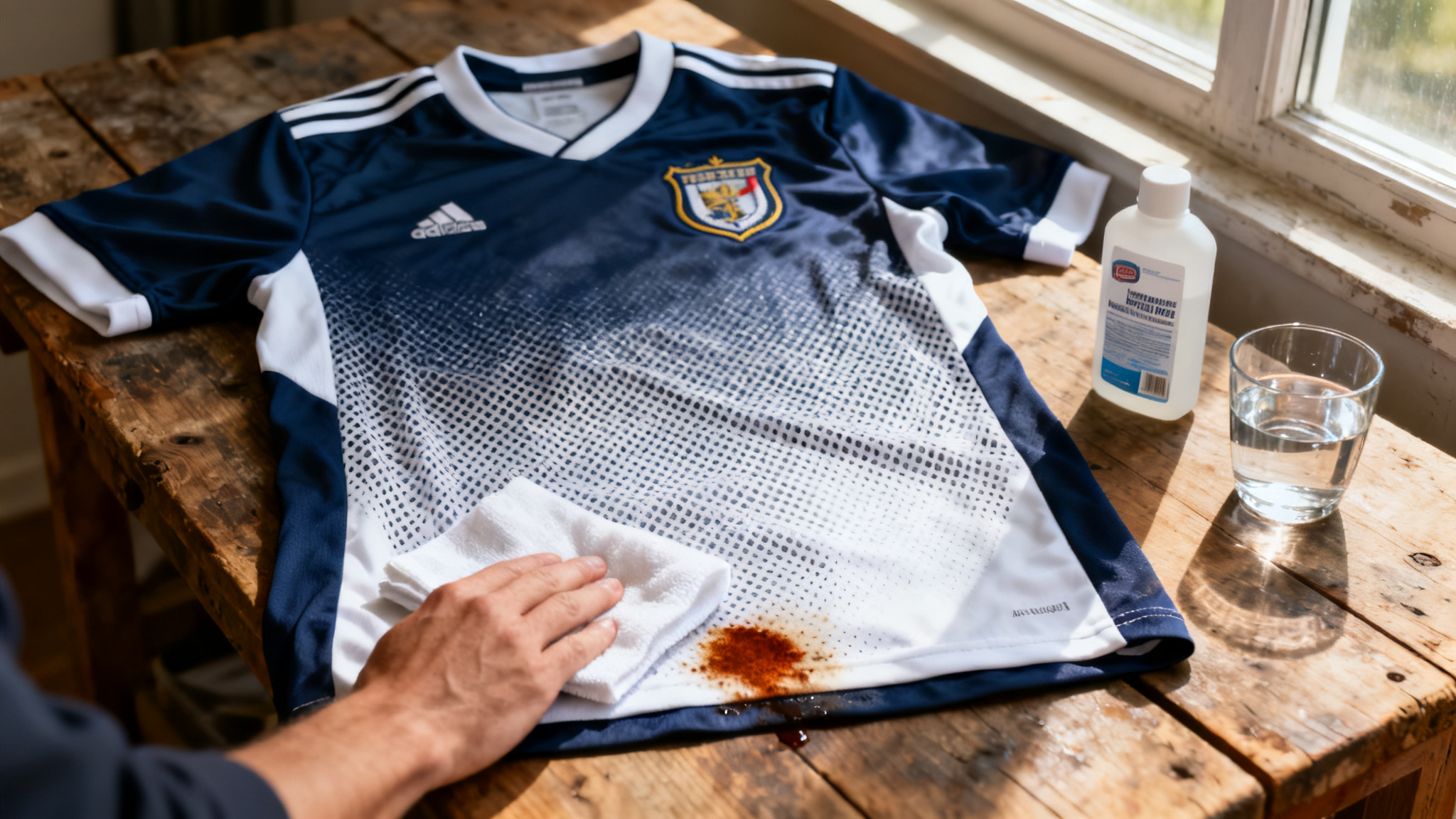
Cold water, gentle cycle, inside out, no tumble dryer. This applies to both licensed replicas and high-quality concept jerseys. Heat is the enemy of embroidery and sublimated printing. Hang dry flat if possible, never on a wire hanger that distorts the shoulder seam. A jersey washed correctly every week will still look right after five years; one put through a hot cycle regularly starts showing fabric stress within a season.
What is the window test for jersey authentication?
Hold the jersey up to strong natural light or ask a resale seller for a backlit video. Authentic licensed fabric shows a consistent weave pattern and slight translucency. Piqué and performance-blend weaves used by licensed manufacturers have a texture that cheap substitutes don’t replicate accurately. It is one of the fastest and most reliable ways to spot a fake that has passed every other visual check.
Making the Right Call for Your Specific Situation
The right channel depends on what you need: official stores for zero-risk current kits, resale for vintage hunting, and a specialist concept jersey retailer for designs that go beyond what licensed channels will ever produce. The honest answer to “where’s the best place to buy soccer jerseys” is that it depends on what you’re actually after. Current licensed kits with zero authentication risk: official club stores or brand sites. Discontinued kits from the last 30 years: resale platforms with careful due diligence. Designs that go beyond what official channels produce, with premium construction and collector-grade detail: a specialist concept jersey retailer is where you’ll consistently find the most interesting product.
What hasn’t changed, regardless of where you shop, is the fabric. Hold it up to the light. Feel the weight. Check where the badge thread meets the base. Those details tell you more than any product description. The jersey you wear to the match, season after season, earns its place in your wardrobe through how it’s made, not where it was marketed. If you want to see what that standard looks like in practice, our latest arrivals are a good starting point. ⚽
The shop
Find your jersey
Clubs, national teams, concept and retro designs. With your name and number, if you like.
- Free shipping from $65
- 3 jerseys = 1 free
- 14-day returns