SPECIAL OFFER BUY 3 JERSEYS = GET 1 FREE

Mexico Soccer Goalie Jersey: What Makes El Tri’s Keeper Kits Worth Collecting
A deep look at the Mexico soccer goalie jersey across generations: the colors, the design language, the collectors' favorites, and what separates a great keeper kit from a forgettable one. Written by Kit Henderson, who has held more than a few of them up to the window.
In this article7 sections
- Why Mexico Goalkeeper Jerseys Have a Distinct Identity
- The Eras: What Changed and When
- Key Colorways and What Collectors Actually Hunt
- Fit, Fabric, and Wearing One to the Match
- Concept Goalkeeper Jerseys: Where the Design Gets Interesting
- Frequently Asked Questions about Mexico Soccer Goalie Jerseys
- Building a Mexico Goalkeeper Collection That Actually Means Something
The first time I held a 1990s Mexico goalkeeper jersey under proper light, I nearly missed what made it special. Not the color, though the neon yellow was hard to ignore. It was the crest stitching: tight, raised, the kind of embroidery that pushes back against your thumb. That’s the real thing. Mexico soccer goalie jerseys have a longer, stranger, more interesting design history than most fans realize, and right now they sit in a sweet spot for collectors.
El Tri‘s outfield kits get most of the attention. The green-white-red combination is iconic in world football. But the keeper shirts have been doing their own thing for decades, running from fluorescent chaos to restrained elegance, with some genuinely beautiful detailing along the way. If you’re hunting, you should know what you’re looking for before you spend your money.
Why Mexico Goalkeeper Jerseys Have a Distinct Identity
Mexico goalkeeper jerseys stand apart from almost every other national program because the Mexican Football Federation has historically given its kit suppliers genuine creative freedom on the keeper shirt, producing designs that differ from the outfield kit in colorway, fabric construction, and graphic language rather than simply echoing it. The result, across four decades of partnerships with Adidas, ABA Sport, and Nike, is a keeper-specific catalog that rewards close attention.
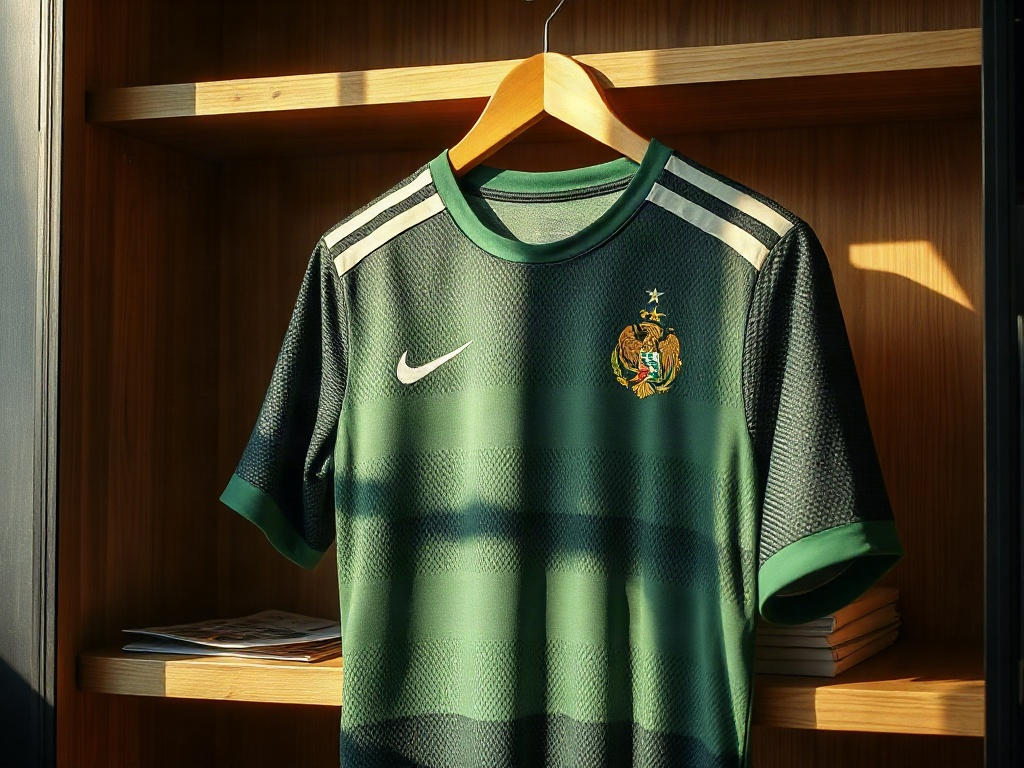
Most national teams treat their goalkeeper kit as an afterthought. A tonal variation of the outfield shirt, differentiated enough to avoid confusion on the pitch and forgotten the moment the final whistle goes. Mexico has never quite worked that way.
What gives these shirts their collector appeal is the combination of factors:
- Short production windows (keeper kits are manufactured in smaller quantities than outfield shirts)
- Genuine variety in colorway and construction year to year
- The association with specific legendary keepers: Jorge Campos, Oswaldo Sanchez, and Guillermo Ochoa
- The Mexican federation’s willingness to use color and graphic pattern more boldly than most European national programs
That last point matters a great deal. When you hold an authentic piece from the right era, you can feel the deliberate design thinking. These weren’t generic templates with a crest heat-pressed on. They were actual kit decisions, and the fabric reflects that.
The Eras: What Changed and When
Breaking down Mexico national team goalkeeper jersey history by era is the most reliable way to date a shirt, assess its construction quality, and avoid overpaying for a modern reproduction sold as a vintage original. Each supplier partnership brought a distinct approach to fabric weight, crest attachment, and graphic language.
The Campos Era (1988-2004): Personal Expression as Kit Design
No conversation about Mexico goalkeeper jerseys starts anywhere other than Jorge Campos. His influence on this category is total. Campos wore shirts in vivid yellows, purples, oranges, and abstract geometric patterns at a time when most international goalkeepers were wearing plain tonal kits. He made the goalkeeper shirt a personal statement, and the federation let him.
Authentic Campos-era match-worn shirts are exceptionally rare. Replica versions from the early-to-mid 1990s do circulate, but authentication requires checking the fabric tag construction, the print method (sublimation on the period pieces versus later screen printing), and the crest attachment. Fakes exist. Many of them. The fabric doesn’t lie if you know what to look for: the period originals have a lightweight polyester with a specific sheen under light, not the flatter matte finish of modern reproductions.
The Nike Transition (2007-2014): Cleaner Lines, Better Construction
When Nike took over the Mexico federation contract and produced the kits for the 2010 and 2014 World Cups, the goalkeeper shirts shifted noticeably. Brighter whites, structured tonal green, modern Dri-FIT construction at approximately 130-140 gsm made these some of the best-wearing keeper shirts the program has produced. The crest embroidery is clean, the cut is athletic without being restrictive, and they represent excellent value for a collector who wants something wearable rather than purely displayable.
The 2010 World Cup goalkeeper shirt in particular holds up well. Ochoa’s performances in that tournament (most memorably against Argentina in 2014, one tournament later) have kept demand steady for his associated kits. The 2014 version in grey and black with the green crest accent is quietly handsome and often underpriced at market.
2018-2026: The Concept Design Window Opens
The current period has seen a wider gap open between official licensed kits and the concept design space. As official kit cycles have grown more conservative, independent designers have produced genuinely compelling concept goalkeeper shirts for El Tri that play with the flag colors, Aztec graphic motifs, and pre-Columbian pattern language in ways the federation-approved designs rarely allow.
This is where sites like this one sit. Concept jerseys that honor the visual identity of a national program without being constrained by licensing deals or conservative federation approval processes. When a concept designer gets a Mexico goalkeeper shirt right, it can be more authentically “Mexican” in its visual language than a generic template with a crest attached.
Key Colorways and What Collectors Actually Hunt
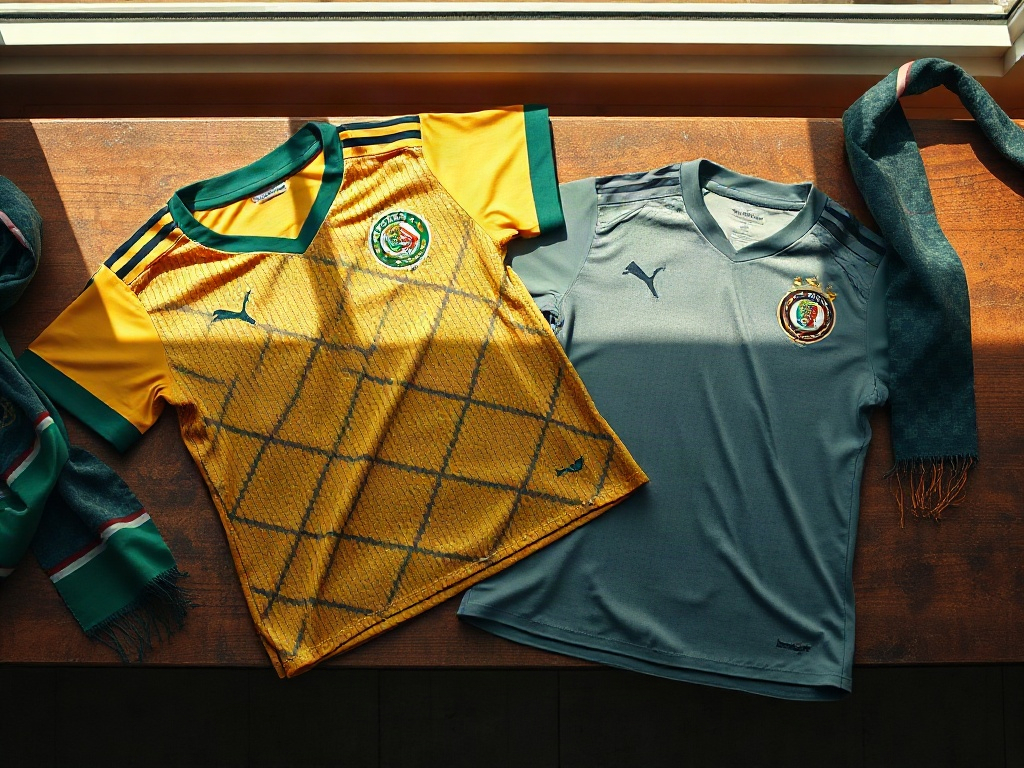
Serious collectors of El Tri goalkeeper kits track specific colorways rather than buying broadly, because each colorway corresponds to a distinct production era, fabric specification, and market price range that shapes what a piece is worth. Here is what the market actually looks like.
| Colorway | Era | Fabric Weight (approx.) | Market Price Range | Collector Notes |
|---|---|---|---|---|
| Yellow and Black | Campos era, 1988-2004 | 100-115 gsm (lightweight sublimated polyester) | $180-$350+ originals | Highest narrative value; fakes common; check sublimation sheen |
| Purple and Gold | Campos era variants | 100-115 gsm | $220-$400+ (scarcer) | Rarest colorway; gold embroidery quality is the tell |
| Grey and Green | Nike era, 2010-2014 | 130-140 gsm Dri-FIT | $65-$130 | Best wearability; 2014 version is the target |
| White and Green | Nike era, 2007-2010 | 130-140 gsm Dri-FIT | $55-$110 | Underpriced; clean examples are good value |
| Obsidian Black with Eagle | Concept designs, 2018-present | 150-160 gsm (varies by maker) | $70-$140 concept editions | No official version exists; strongest contrast for crest embroidery |
Yellow and Black
The most recognizable Mexico goalkeeper combination. Associated directly with the Campos years, it carries the most narrative weight. Original period shirts in this colorway command the highest prices at specialist auction. Expect to pay $180-$350 for a well-preserved original from the early 1990s, more for anything with verified provenance.
Grey and Green
The quiet workhorse colorway. Used across multiple cycles in the 2010s, it photographs beautifully and wears well. More accessible price-wise, usually $65-$120 for a clean example. The 2014 version is the one to target: it benefits from Nike’s most refined Dri-FIT construction of that contract period and tends to be underpriced relative to what Ochoa’s 2014 tournament meant.
Purple and Gold
Rarer than the others, used in certain match variants during the Campos era. The gold embroidery on these is particularly good when found in original condition. Very limited supply at market, and prices for authenticated purple-and-gold originals regularly exceed $300 when genuine examples surface.
All-Black with Eagle Crest
Several concept designs have explored this route, and when done well, it’s striking. The black fabric sets off the embroidered eagle crest with more contrast than any other base color. This colorway has been used in a handful of match-worn training versions and has strong appeal with younger collectors who prefer the cleaner aesthetic over the period neon.
Fit, Fabric, and Wearing One to the Match
For fans who want to wear a Mexico keeper shirt to a live match rather than display it, the Nike Dri-FIT era shirts from 2010 to 2014 offer the best combination of authentic design, practical fabric weight around 130-140 gsm, and durability through regular washing. They were built to move in, and they still perform accordingly.
If you’re going the concept jersey route, ask the seller specifically about fabric weight and embroidery method before you buy. Browsing goalkeeper concept jerseys for El Tri is worth taking a few minutes to check those details. Good concept kits use proper sublimation printing or woven embroidery, not iron-on transfers. The difference in how the shirt holds up after ten washes is significant.
Sizing runs slightly different between the official Nike cuts and concept designs. Mexican national team official shirts tend to run true to European sizing. If you’re between sizes and planning to wear over a base layer for a cold-weather match, go up one.
Concept Goalkeeper Jerseys: Where the Design Gets Interesting
The concept design space for Mexico goalkeeper jerseys has produced some of the most culturally grounded work in the El Tri kit universe over the past five years, because independent designers are free to draw on Aztec sun stone patterns, pre-Columbian eagle iconography, and tone-on-tone flag colors without needing federation sign-off. The official kits rarely go there. The best concept pieces do, and the difference shows.
The most compelling pieces tend to work with:
- Aztec sun stone patterns used as sublimated body graphics rather than surface patches
- Pre-Columbian eagle motifs worked into the collar and cuff detailing
- Green-white-red interpreted through tone-on-tone fabric rather than literal flag color blocking
- Obsidian black as a base color (which no official federation kit has committed to, but which works remarkably well for a goalkeeper shirt)
When a concept designer gets this balance right, the shirt reads immediately as Mexican without being literal. It carries the cultural weight of the program without being a copy of anything. That’s hard to do, and when you find one that achieves it, the price is usually worth it.
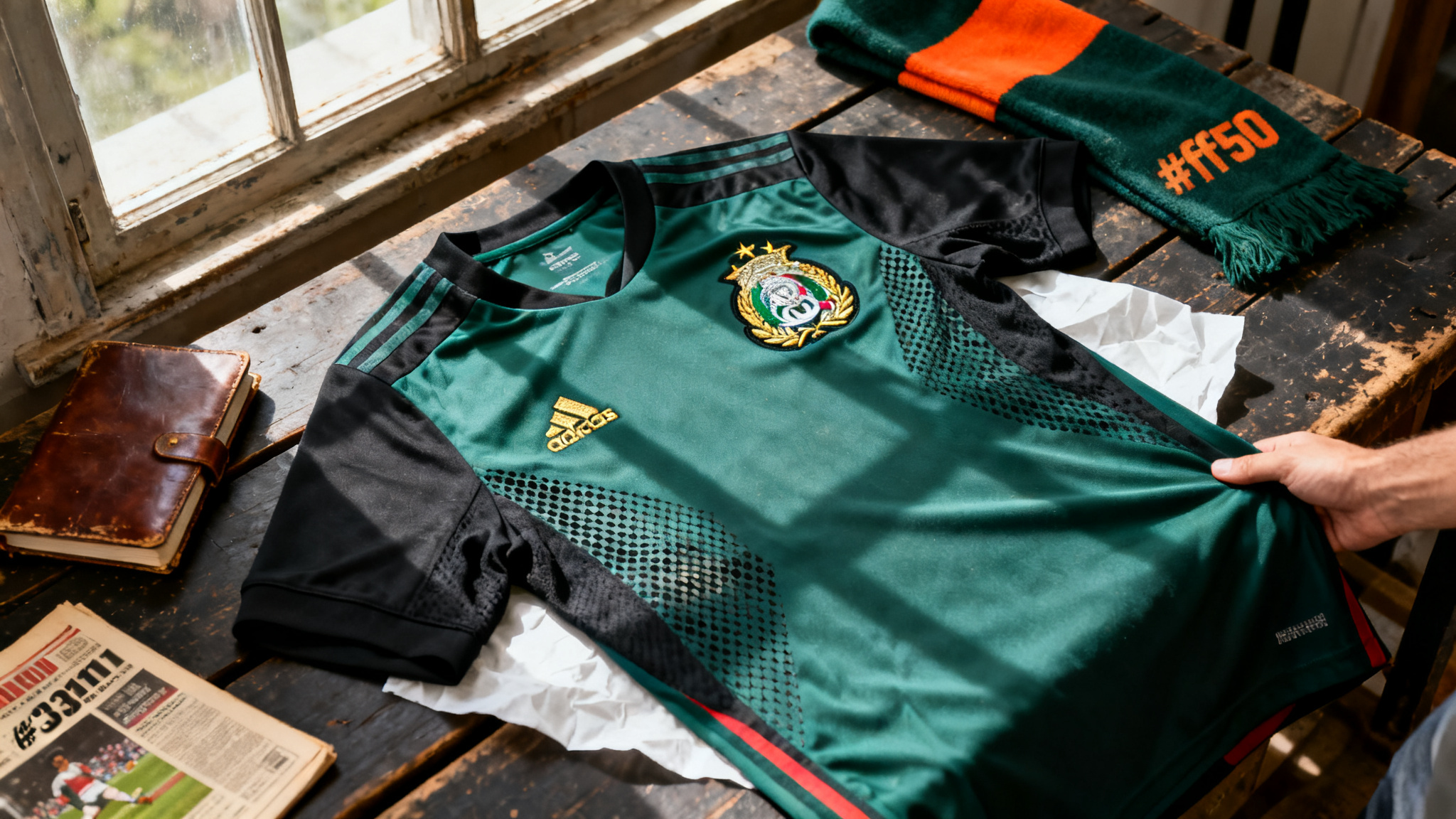
Obsidian Eagle Concept Goalkeeper Shirt
150 gsm sublimated polyester · Woven eagle crest · Pre-Columbian collar detail
The all-black base makes the embroidered crest the undisputed focal point. Available in sizes S-XXL.
View in store
150 gsm sublimated polyester · Woven eagle crest · Pre-Columbian collar detail
The all-black base makes the embroidered crest the undisputed focal point. Available in sizes S-XXL.
View in store
Sun Stone Concept Goalkeeper Shirt
155 gsm sublimated polyester · Tone-on-tone Aztec sun stone body graphic · Woven crest
The green-and-gold colorway pulls the Aztec sun stone out of the archive and onto a goalkeeper shirt that actually earns the reference.
View in store
155 gsm sublimated polyester · Tone-on-tone Aztec sun stone body graphic · Woven crest
The green-and-gold colorway pulls the Aztec sun stone out of the archive and onto a goalkeeper shirt that actually earns the reference.
View in store
If you’re new to concept jerseys and want to understand the difference between a well-executed one and a cheap imitation, check out how to identify quality in a concept soccer jersey before you commit to a purchase. The markers are consistent across national programs, and they’re not difficult to spot once you know what to look for.
Frequently Asked Questions about Mexico Soccer Goalie Jerseys
What colors does the Mexico goalkeeper jersey traditionally use?
The most historically consistent colorways are yellow and black (the Campos era), grey and green (the 2010s Nike period), and various combinations of white, black, and green. The federation has never settled on a single dedicated keeper color the way some programs have, which gives collectors more variety to work with.
Are Jorge Campos replica jerseys worth buying?
Authentic period replicas from the early 1990s, correctly made with period-accurate construction, are absolutely worth buying if you can verify the provenance. Many items sold as “Campos-era” replicas are modern reproductions with no connection to the original production runs. Check the fabric tag, the print method, and the crest construction before paying any premium price.
How does the Mexico goalkeeper jersey differ from the outfield shirt?
Beyond the obvious color differentiation required by match regulations, the goalkeeper shirts historically have used different fabric constructions (often heavier in the chest panel for protection), different sublimation patterns, and design details that don’t appear on the outfield versions. For collectors, the keeper shirt is a distinct category, not a variant of the standard kit.
What should I pay for a 2014 World Cup Mexico goalkeeper jersey?
Clean, authentic examples of the 2014 Ochoa-era goalkeeper shirt in grey/black typically sell between $65 and $130 depending on condition and whether a name and number are printed. Match-issued versions with Ochoa’s details attached command more, but replica versions in excellent condition represent strong value at the lower end of that range.
Can concept goalkeeper jerseys be worn to official matches?
There’s no regulation preventing supporters from wearing concept jerseys in stadium stands. Concept kits are supporter wear, not player kits. You’ll see concept designs worn at every major international tournament by fans who want something that reflects their identity beyond what the official store offers. Wear yours to the match with confidence.
What fabric weight should I look for in a concept Mexico goalkeeper jersey?
Look for 145-160 gsm sublimated polyester as the target range for a concept keeper shirt that balances breathability and structure. Below 130 gsm and the shirt feels papery under stadium lights. Above 165 gsm and ventilation becomes a real issue over ninety minutes. Any reputable seller should be able to tell you the exact fabric weight before you buy.
Building a Mexico Goalkeeper Collection That Actually Means Something
A well-chosen collection of three or four Mexico goalkeeper jerseys, covering different eras and construction philosophies, will tell the full story of this category more clearly than twenty rushed purchases from generic resellers. The goal is depth, not volume.
The Campos-era yellow for the narrative. A clean 2014 World Cup grey for the craftsmanship. A well-executed concept design for the creative direction the official kits have never quite managed to reach. That’s a shelf worth building. Hold each one up to the light before it goes into storage. The fabric doesn’t lie. ⚽
The shop
Find your jersey
Every Mexico jersey, with your name and number on the back if you like.
- Free shipping from $65
- 3 jerseys = 1 free
- 14-day returns