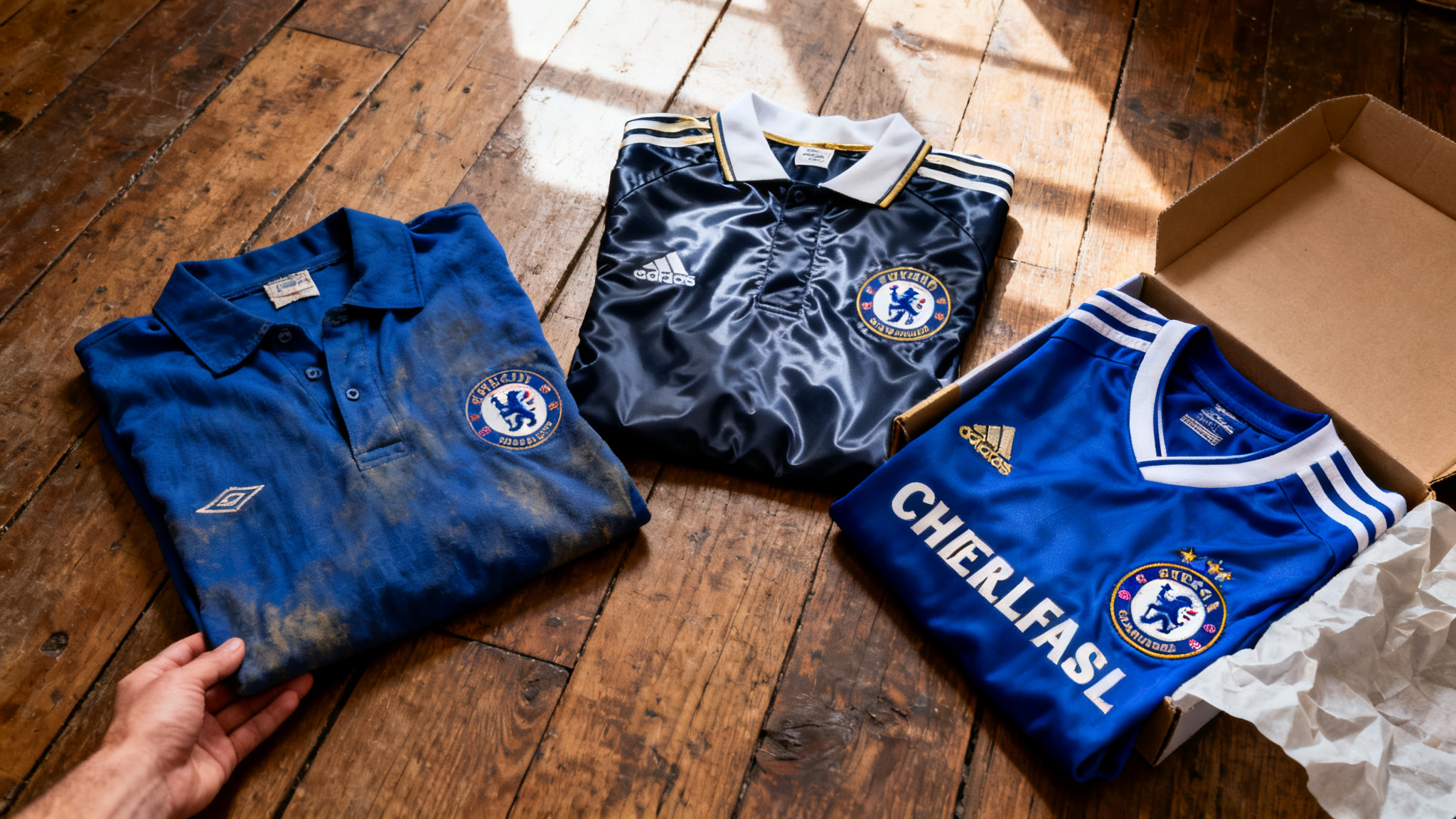
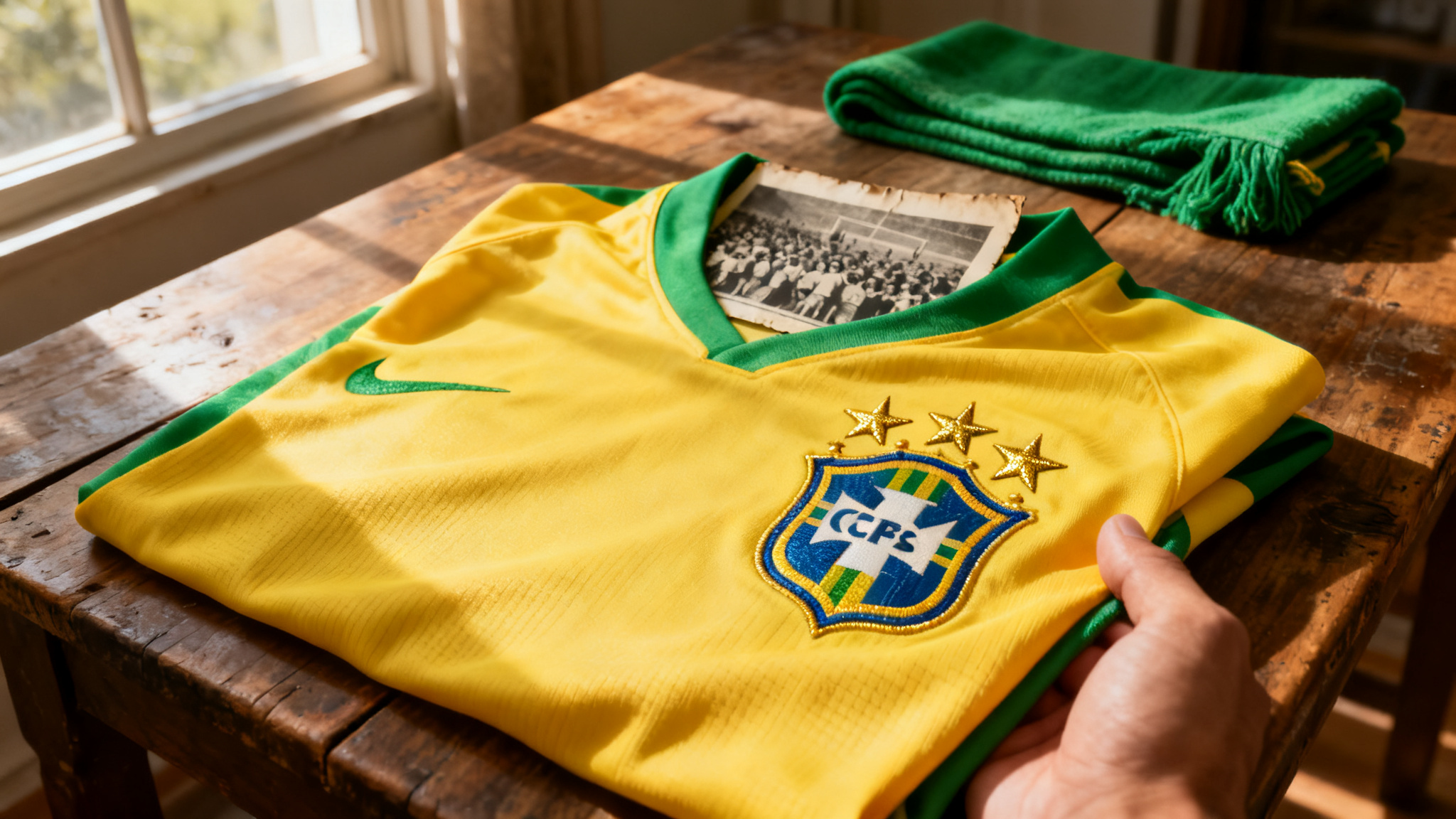
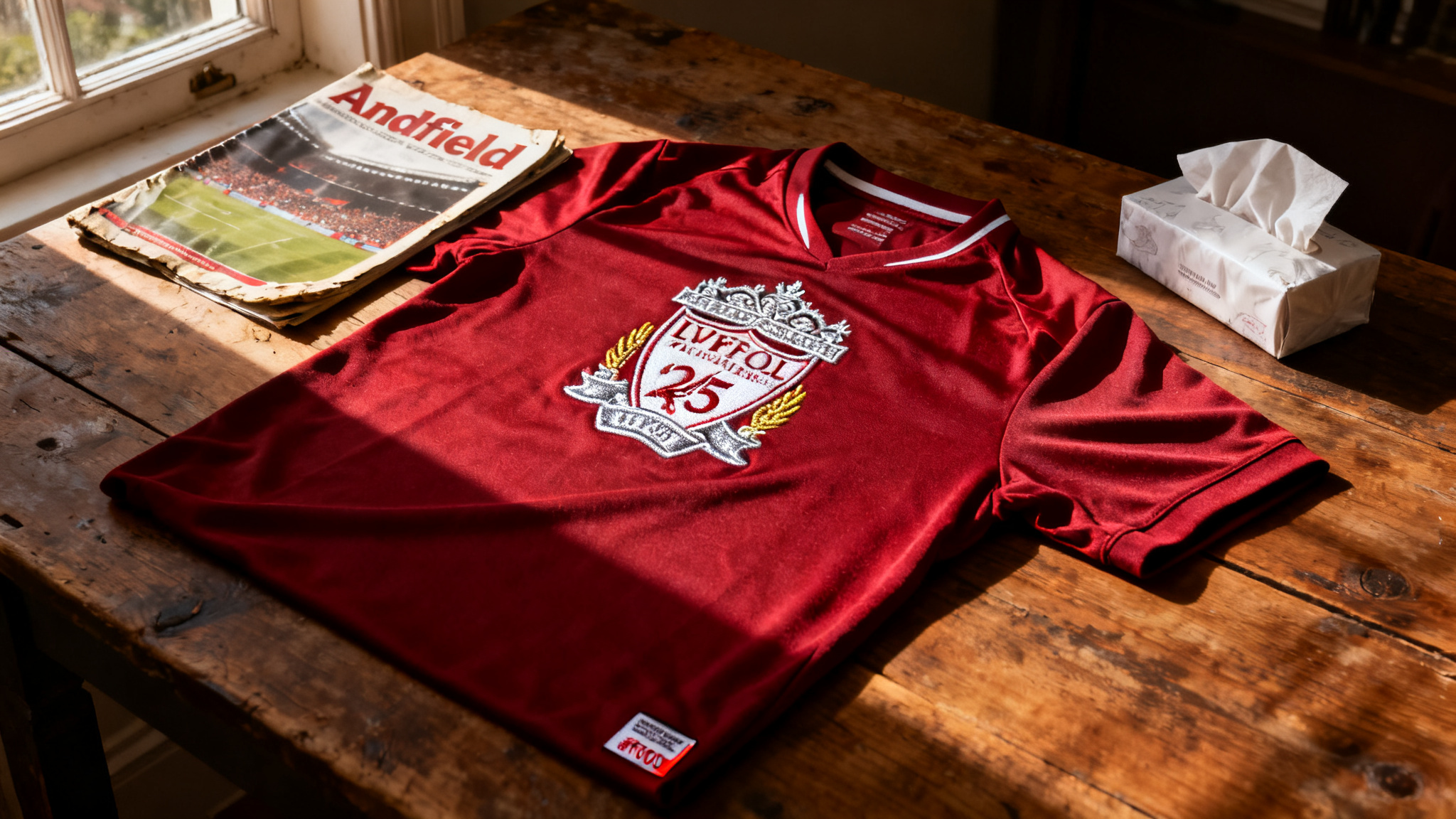
SPECIAL OFFER BUY 3 JERSEYS = GET 1 FREE

Will England Get a Second Star on Their Shirt? The 2026 Question
England have worn a single star above their badge since 1966. Sixty years on, the question of a second star is louder than it has ever been. Here is what it would actually take, what other nations show us, and what it would mean for the shirt.
In this article8 sections
- England’s Single Star: Sixty Years and Counting
- How Stars on Football Shirts Actually Work
- What England Actually Need: The World Cup Path in 2026
- The Lionesses Question: Should Their 2022 Win Count?
- What a Second Star Would Do to the Shirt Design
- Precedents from Other Nations: What the Shirt Changes Look Like
- Frequently Asked Questions about England’s Second Star on Their Shirt
- What That Second Star Would Actually Mean for the People Who Wear the Shirt
England’s Single Star: Sixty Years and Counting
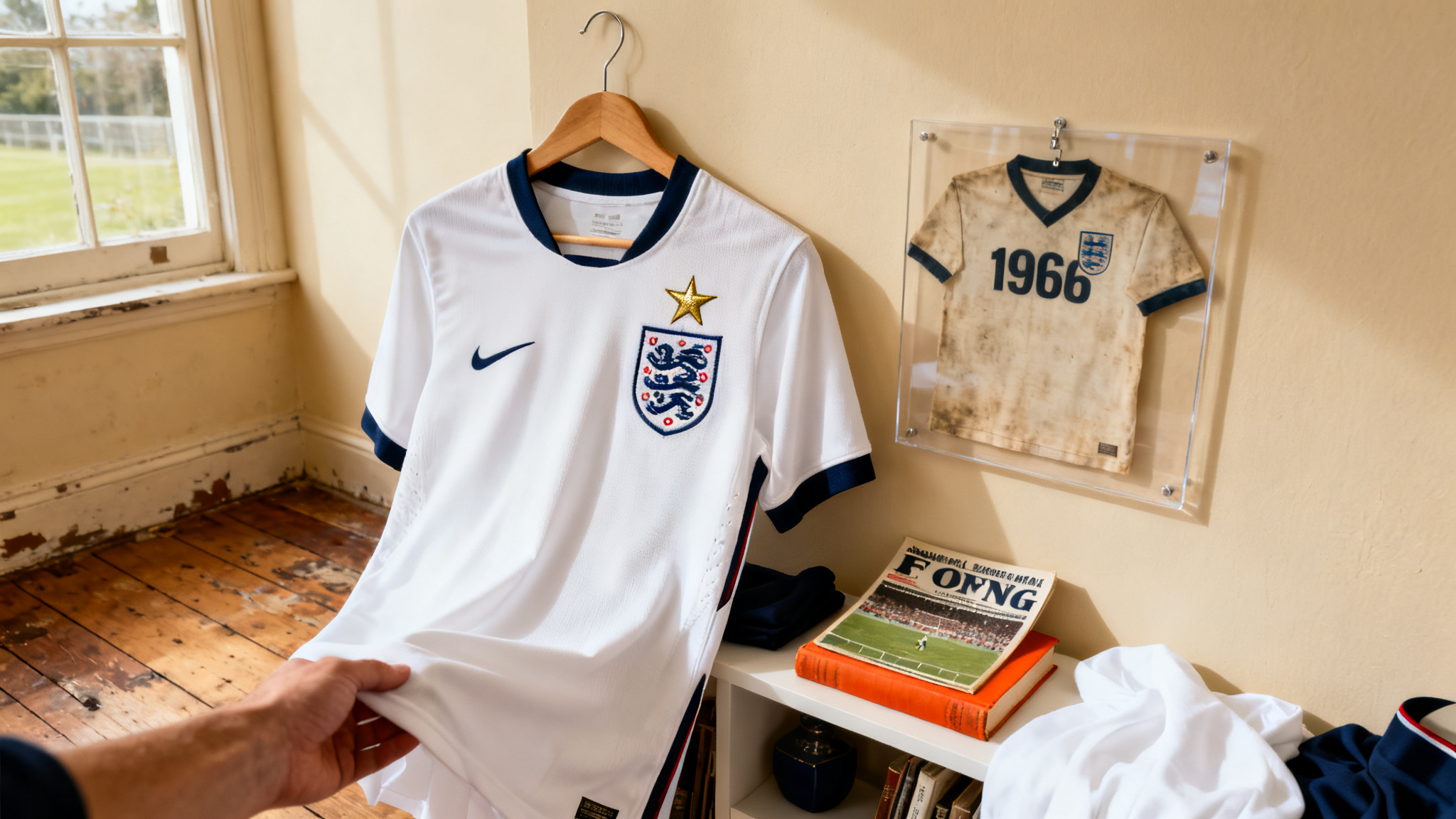
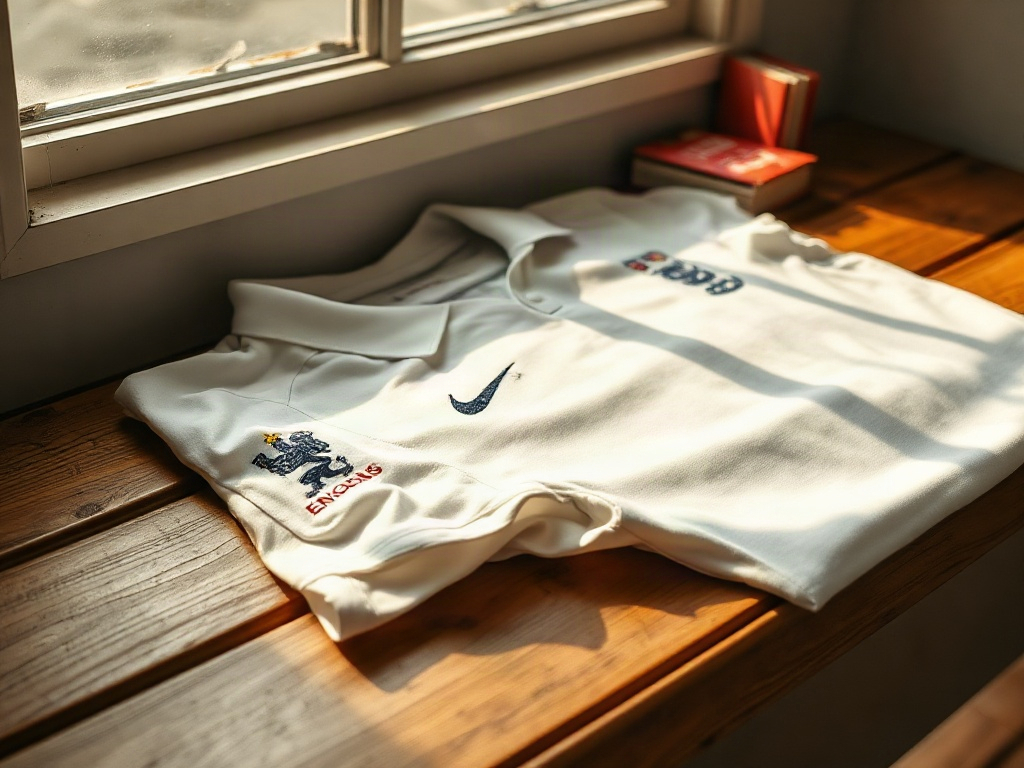
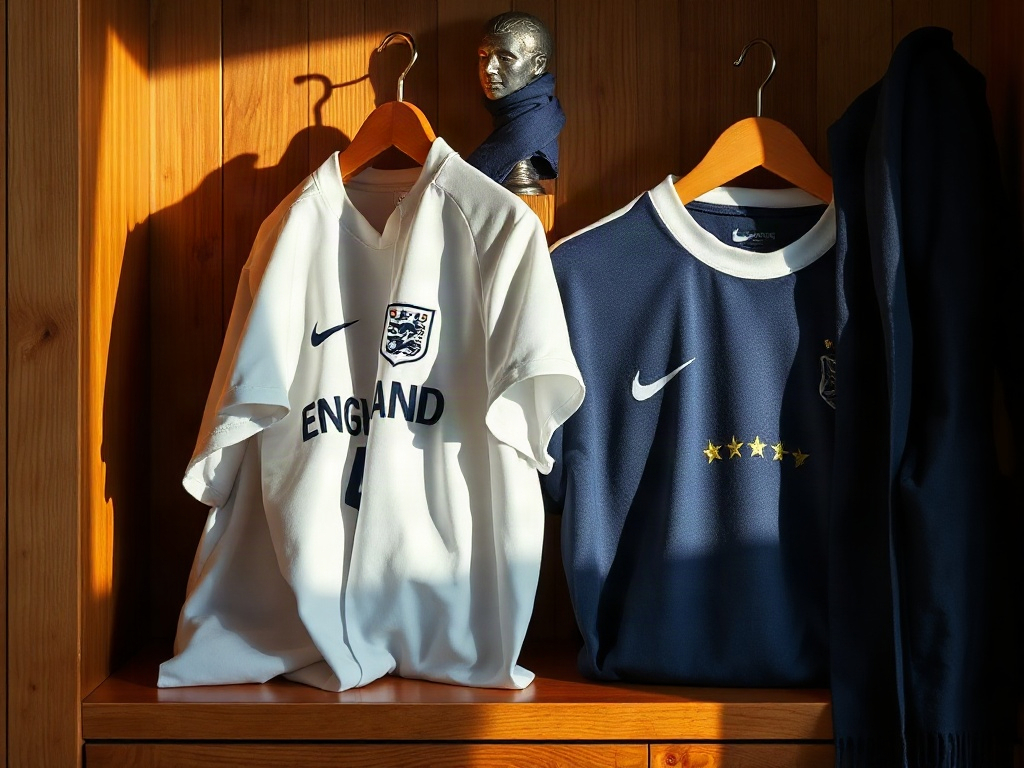
England have worn exactly one star above the Three Lions badge since 1966, the year Sir Alf Ramsey’s squad beat West Germany 4-2 at Wembley to lift the only FIFA World Cup in English football history. For sixty years, that gold star has sat there, unchanged, while France added a second, Brazil added a fifth, and Argentina famously stitched their third onto the chest at Qatar 2022.
In 2026, the conversation is louder than it has been since perhaps 2018. England are at a World Cup again. The Lionesses won Euro 2022 and reached the 2023 World Cup final. And a generation of supporters has grown up genuinely believing the wait could end. So what would it actually take? And what would it do to the shirt?
How Stars on Football Shirts Actually Work
Each gold star above a national badge represents one FIFA World Cup triumph, a convention recommended by FIFA and followed voluntarily by every major federation, including the FA, which controls what appears above the Three Lions. There is no single global governing body that enforces a mandatory rule. The tradition holds because everyone respects it. The currency only has value because federations keep it honest.
It is worth knowing what does NOT count under this convention:
- European Championship titles (UEFA EURO wins are not represented by shirt stars in any major federation’s standard practice)
- Nations League titles
- Olympic gold medals (though some nations use separate conventions for their Olympic teams)
- Women’s World Cup wins, under most federations’ current interpretations
That last point is where things get genuinely complicated for England.
What England Actually Need: The World Cup Path in 2026
England need to win the 2026 FIFA World Cup to earn a second star on the men’s shirt, full stop. No other result, however historic, triggers that change under the current FA convention. The tournament is co-hosted across the United States, Canada, and Mexico. The squad is built around players at the peak of their careers. The expectation is real, not manufactured. But you will know better than anyone that expectation has been real before.
If England win in 2026, the process after that is not instant. The FA would commission a badge and shirt redesign incorporating the second star. Kit suppliers typically need four to eight months to update templates, re-embroider samples, and push updated stock through retail. Realistically, a second star on an official England shirt would not appear in shops until late 2026 at the earliest, more likely early 2027 for widely available stock. If you are tracking this as a collector, that early production window is the one that matters most.
The EURO route is separate. England came desperately close at EURO 2020 (played in 2021) and reached the final again at EURO 2024, losing to Spain. A EURO win would be historic and would mean everything culturally. But it would not, under standard convention, add a star to the shirt. No major European nation adds a star for a continental title under the men’s team shirt tradition.
The Lionesses Question: Should Their 2022 Win Count?
England’s women’s team won UEFA EURO 2022 on home soil, beating Germany 2-1 at Wembley in front of 87,192 people, the largest crowd ever at a Women’s EURO final, and that win has sparked a genuine debate about whether the Three Lions shirt should reflect it. These are not consolation prizes. This is elite international football, and you would be right to think the question deserves more space than it usually gets.
The debate has two sides that are both genuinely reasonable.
On one side: the women’s team represents the same nation, wears the same Three Lions, and has now won a major international trophy more recently than the men’s team has. Several prominent voices in women’s football have argued that a Women’s World Cup win should qualify for star recognition on the England shirt, just as it does in some other federations. The US Soccer Federation, for example, has acknowledged women’s World Cup wins on their crest.
On the other side: the FA’s current convention, like most major European federations, links the shirt star specifically to the men’s FIFA World Cup. Changing that convention would require a deliberate, formal decision by the FA. No such decision has been made. Until it is, the Lionesses’ EURO title, as brilliant as it was, does not trigger a second star under the existing framework.
What is not up for debate: if England’s women win the 2027 FIFA Women’s World Cup, the conversation about recognition on the shirt will become impossible to sidestep. The FA will face real public pressure to address it formally.
Nike England Lionesses EURO 2022 Match Shirt
The actual match-worn template from the tournament England women won on home soil. Nike Dri-FIT ADV construction, embroidered Three Lions badge, heat-transfer squad detailing. A documented piece of English football history in a wearable form.
Find your size →
What a Second Star Would Do to the Shirt Design
Adding a second star above the Three Lions badge changes the entire visual composition of the England shirt, and the precedents from France, Argentina, and Germany show that the redesign takes longer than you might expect to feel genuinely right. The current badge is clean and architecturally precise. One gold star, the Three Lions crest, and a white shirt form one of the most recognizable compositions in world football. A second star does not ruin that. But it changes it.
Look at how other nations have handled the same challenge. France’s badge with two stars above the rooster is elegant because the stars are symmetrically placed and the badge was redesigned with them in mind from 2018. Brazil’s five stars required a full crest redesign that now feels native. Argentina’s three stars, added after 2022, took longer than expected precisely because the AFA wanted the composition to feel intentional rather than stuck on.
For England, the questions a badge designer would face are specific:
- One star centered, one star centered: do they stack vertically, or sit side by side?
- Does the Three Lions crest itself get redrawn to accommodate the new geometry?
- What size relative to the badge? France’s stars are notably small. Germany’s single star is proportionally larger.
- Does the gold match the existing embroidery thread used on the current badge?
The FA and Nike, currently the men’s kit supplier, would work through this together. Nike has deep experience with badge redesigns following World Cup wins: they handled Brazil in 2002 and have worked with multiple federations through this process. The result, when done well, feels inevitable rather than added-on. That is the standard England supporters would rightly expect.
Precedents from Other Nations: What the Shirt Changes Look Like
The nations that have added a World Cup star most recently, France in 2018 and Argentina in 2023, both show that the redesign process takes months, and the first official shirts with the new star become instant collector pieces. You can learn a lot about what England’s version might look like by studying those examples closely.
| Nation | Stars | World Cup wins | Most recent star added |
|---|---|---|---|
| Brazil | 5 | 1958, 1962, 1970, 1994, 2002 | 2002 (Nike kit update) |
| Germany | 4 | 1954, 1974, 1990, 2014 | 2014 (Adidas badge redesign) |
| Italy | 4 | 1934, 1938, 1982, 2006 | 2006 (FIGC update) |
| France | 2 | 1998, 2018 | Late 2018 (Nike, ~4 months post-win) |
| Argentina | 3 | 1978, 1986, 2022 | Early 2023 (Adidas, ~3 months post-win) |
| Uruguay | 2 | 1930, 1950 | 1950 (long-standing badge) |
| England | 1 | 1966 | 1966 (still waiting) |
France in 2018 moved quickly. After winning in Russia, the FFF updated the badge and the two-star shirt was available in limited form by late 2018. The badge proportions shifted slightly to give both stars visual breathing room. The shirt sold in extraordinary numbers.
Argentina after Qatar 2022 moved more slowly. The AFA officially launched the three-star badge in early 2023. Adidas produced updated kits for the 2023 international calendar, and the three-star shirt became one of the fastest-selling football shirts in history in South America.
Germany has carried four stars since 2014. The DFB and Adidas redesigned the badge each time, with the 2014 update being the most extensively documented. The composition with four stars is now so ingrained it is hard to imagine the shirt without them.
England at two stars would join a group that includes Italy (four stars), Uruguay (two stars), and Argentina (three stars). Not the most decorated, but no longer the nation with the single star that reminds everyone, not always kindly, of 1966 and only 1966.
Frequently Asked Questions about England’s Second Star on Their Shirt
Does winning the Euros give England a second star?
No. Under the standard international convention followed by major federations, stars on the men’s shirt represent FIFA World Cup wins only. A UEFA EURO title, however significant, does not add a star. No major European nation currently uses shirt stars to represent continental championship wins for the men’s team.
Could the FA add a star for the Lionesses’ Euro 2022 win?
The FA could technically make that decision, as federations control their own badge and kit conventions. Currently, no such decision has been made. The debate is real and growing, particularly as the women’s game gains mainstream recognition, but the existing framework links the men’s shirt star specifically to men’s FIFA World Cup wins. A formal FA policy change would be required to alter that.
How long after a World Cup win does the new shirt appear?
Based on recent precedents, between four and eight months. France had updated shirts by late 2018 after their July win. Argentina’s three-star shirts were widely available by early 2023 after their December 2022 victory. The design and manufacturing process involves badge redesign, embroidery sample approval, and full production runs across multiple product lines. Expect several months minimum.
What does England’s current single star represent?
The 1966 FIFA World Cup, won on home soil at Wembley against West Germany, final score 4-2 after extra time. The star was added to the England badge and shirt after that win and has appeared on every official England men’s shirt since.
Which countries have the most stars on their football shirts?
Brazil leads with five stars (1958, 1962, 1970, 1994, 2002). Germany and Italy have four each. France and Argentina have three (Argentina added their third after Qatar 2022). Uruguay has two. England, Spain, and others have one. England at two stars would still be far from the most decorated shirt in the tournament.
Will England get a second star on their shirt if they win in 2026?
Yes. A 2026 FIFA World Cup win would trigger the standard process: FA and Nike agree on badge redesign, embroidery samples are approved, and updated shirts enter production. You would likely see the first official two-star England shirts available to buy by late 2026, with wider retail availability in early 2027. That first production run is historically the one collectors track most closely.
What That Second Star Would Actually Mean for the People Who Wear the Shirt
A second star on the England shirt would be the most significant kit update in sixty years, not just a design change but a shift in what it feels like to pull on the badge, for every fan who has worn that single star their entire life. Think about what it means to wear a shirt that has always had one star. One solitary gold star that has been there your whole life. Your dad’s life. Your grandfather’s.
The weight of that single star is part of what England fans carry. It is why EURO 2020 hurt the way it did. It is why the conversations in pubs and living rooms in 2026 carry a specific kind of hope. Not just “win the World Cup,” but “finally.” Two stars would change what it feels like to wear an England shirt to a match, to a pub, to a school playground the day after.
For collectors, a first-edition two-star England shirt, the earliest production run, would be one of the most significant England kit releases in sixty years. Probably the most significant. The kind of piece that gets framed rather than washed. And when that moment comes, the craftsmanship of the badge update, the embroidery weight, the placement geometry, will be scrutinized more closely than any England kit in living memory.
The shirt waits. So do the fans.
The shop
Find your jersey
Every England jersey, with your name and number on the back if you like.
- Free shipping from $65
- 3 jerseys = 1 free
- 14-day returns