SPECIAL OFFER BUY 3 JERSEYS = GET 1 FREE

How Much Does a Football Jersey Cost in 2026? A Real Price Breakdown
Football jersey prices in 2026 range from $30 to $150+ depending on whether you're buying a concept kit, a replica, or a player-version shirt. This guide breaks down what you actually pay at each tier, why the gaps exist, and where to find the best value without getting burned.
In this article6 sections
Somebody texts you asking what a decent football jersey costs right now, and you pause. The honest answer is: it depends entirely on what you mean by “decent.” How much does a football jersey cost can mean $30 from a concept designer or $150 from a club’s official online store, and both answers are correct. The gap isn’t about quality alone. It’s about what you’re actually paying for at each tier.
Here’s a clear breakdown of every price band you’ll encounter in 2026, what sits inside each one, and where the money actually goes.
The Three Price Tiers That Define the Market in 2026
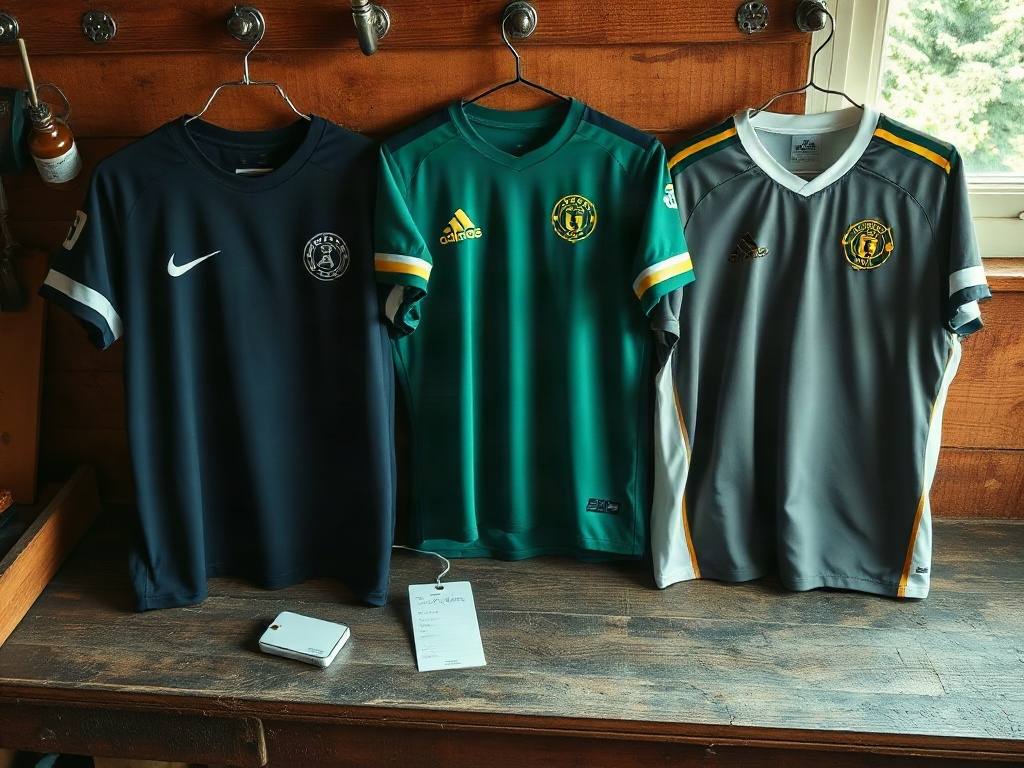
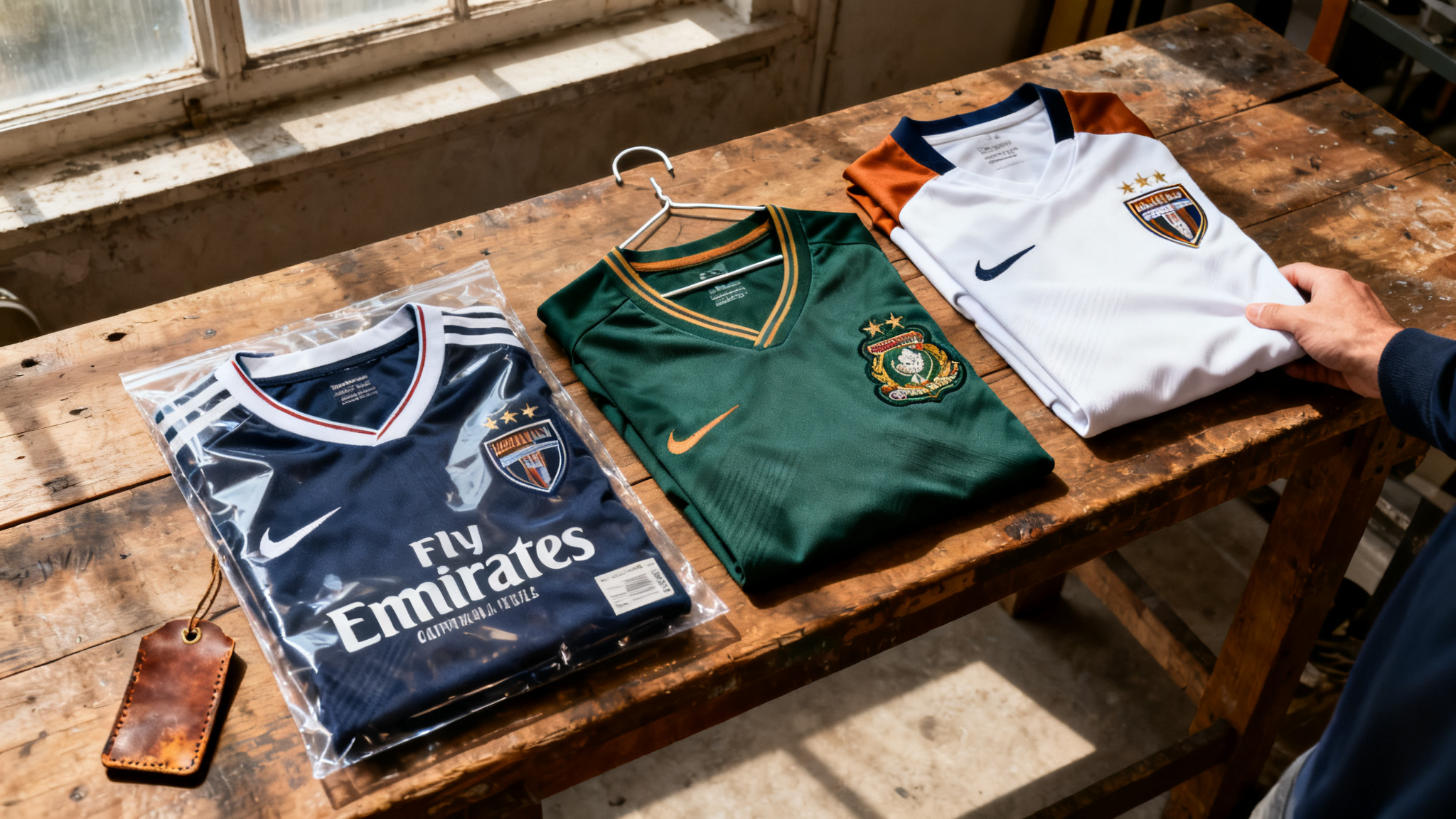
The football jersey market in 2026 splits cleanly into three distinct tiers. Each has its own supply chain, its own buyer, and its own logic. Understanding the difference before you spend a dollar saves real frustration.
Here’s how the three tiers compare at a glance before we go deeper on each one:
| Feature | Concept Kit $30, $50 | Official Replica $80, $100 | Player Version $130, $150+ |
|---|---|---|---|
| Fabric weight | 140-160 g/m² | ~120 g/m² | 130-150 g/m² |
| Crest finish | Heat-transfer or minimal embroidery | Heat-transfer (most); some embroidery | Fully embroidered |
| Seam construction | Standard stitched | Standard stitched | Heat-sealed / flatlock |
| Official license | No | Yes | Yes |
| Best for | Casual wear, collectors, design fans | Match days, everyday supporters | Hard use, five-a-side, serious collectors |
| Approx. production cost | $10, $18 | $12, $20 | $25, $40 |
Concept Kits: $30 to $50
Concept jerseys sit at the bottom of the price ladder but not the bottom of the quality ladder. These are shirts designed by independent artists and small studios, not licensed by any club. The best ones are genuinely striking pieces that reimagine what a club’s identity could look like beyond whatever their kit sponsor chose this cycle.
At $30 to $50, you’re typically getting:
- 100% recycled polyester at 140-160 g/m², a noticeably solid hand-feel for the price
- Sublimated or screen-printed graphics that hold color through dozens of washes
- A cut that matches standard athleisure fits, comfortable on a wide range of builds
- Heat-transfer crests that keep production costs low without cheapening the overall look
What you’re paying for is the idea, the artist’s design work, and the small-batch production run. Concept jersey prices have stayed relatively stable over the past three years because independent studios control their margins and don’t carry the overhead of global licensing agreements.
These kits rarely wash badly. Buy your right size, use a cold wash inside out, and a $35 concept shirt holds up for two or three seasons without complaint.
Featured Concept Kit
Studio Classic Crest Concept Jersey
140 g/m² recycled polyester • Sublimated crest design • Standard stitched seams • Available S, 3XL
$39
Browse concept kits
Why this tier works:
- No licensing premium
- Small-batch production
- Design-first approach
- Wash-tested for durability
Official Replica Jerseys: $80 to $100
This is where most fans land. An official replica jersey from a major club in 2026 retails between $80 and $100 at launch. Arsenal, Manchester City, Liverpool, Real Madrid, Bayern Munich: they all fall inside this band for standard replica releases.
The replica uses a lighter, more breathable fabric than its player-version sibling. Most major kit manufacturers are currently shipping replica kits in around 100% recycled polyester at roughly 120 g/m², with engineered mesh panels for airflow. The badge is heat-transferred on the majority of replicas, though a small number of premium replicas from certain clubs still use embroidery on the chest crest.
The price jump from concept to replica reflects three things:
- The club licensing fee paid to the kit manufacturer
- The distribution cost of a global retail network
- The brand mark you’re buying alongside the shirt
When you hand over $90 for a Liverpool home kit, a meaningful percentage of that goes to the club, to Nike or Adidas or whoever holds the kit deal, and to the retailer’s margin. The fabric cost itself is a smaller slice than most people assume.
Player Version (Authentic) Jerseys: $130 to $150+
The player-version jersey, sometimes called the authentic or match shirt, is the closest thing a supporter can buy to what the squad actually wears on the pitch. In 2026, these sit between $130 and $150 for most top clubs, with some limited editions pushing past $160.
The differences over the replica are real and tactile:
- Heavier, tighter-woven fabric, typically 130-150 g/m² with heat-sealed seams rather than traditional stitched ones
- Athletic, form-following cut that sits closer to the body
- Fully embroidered badge, which you can feel immediately when you run a thumb over it
- Tighter tolerances on cut and finish, visible in the hem alignment and sleeve cuffs
If you’re planning to wear a kit hard, in a five-a-side game, at every home match through rain and mud, the player version is built to take that punishment better than the replica. If you’re collecting or wearing it occasionally, the replica holds its appearance longer because it’s cut with a looser silhouette that wrinkles less on a hanger.
What Drives the Price Gaps: Fabric, Licensing, and Production Volume
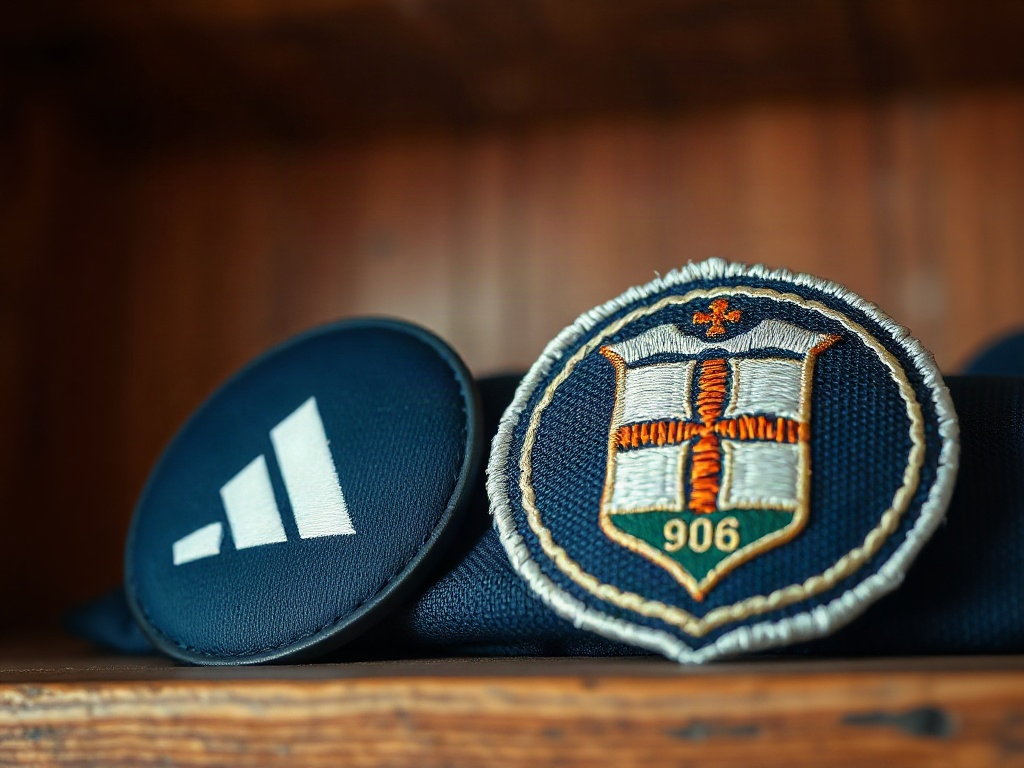
The cost breakdown of a football jersey is less mysterious than the retail price suggests. Let’s be concrete.
Fabric and Manufacturing
The raw economics follow a consistent pattern across the apparel supply chain. Based on figures regularly cited in industry sourcing analyses (including annual reports from the Apparel Industry Magazine and WRAP’s factory benchmarking data), here’s how a jersey cost typically stacks up:
- Fabric: Standard polyester jersey fabric runs $2, $6 per meter wholesale, depending on weight, weave quality, and recycled-content percentage. A shirt uses roughly 1.2-1.5 meters, putting raw material cost between $3 and $9.
- Cut-and-sew labor: In the primary manufacturing countries for licensed sportswear (Vietnam, Indonesia, Cambodia), labor adds roughly $4, $8 per unit at audited facilities paying living-wage-compliant rates.
- Total production cost, mid-tier official replica: approximately $12, $20 fully landed at the brand’s distribution center.
Player versions cost more to produce because the fabric spec is higher and the finishing details, heat-sealed seams, embroidered crests, tighter tolerances on cut, add time and material cost. Production cost for a player version probably runs $25, $40. The jump from $20 to $40 production cost does not fully explain the $90 to $140 jump at retail. The rest is licensing, brand equity, and margin stacking at each level of the supply chain.
Club and Manufacturer Licensing
This is the biggest single variable. An official kit carries two layers of brand cost: the club’s mark and the manufacturer’s (Nike, Adidas, Puma, New Balance, Hummel, and the others). Both charge for the right to put their symbols on a garment. Concept jerseys carry neither cost, which is why a well-made concept kit can retail at $35 and still be profitable for a small studio.
Limited Editions and Third Kits
Third kits and special editions often retail at the same price as home kits but depreciate faster. By mid-season, you’ll find official third kits discounted 20-30% at authorized retailers clearing old stock. That’s a real window if the colorway appeals to you and you’re not attached to wearing something from the current moment of the launch.
Where to Find the Best Price on a Football Jersey in 2026
Official Club Stores and Kit Manufacturer Sites
You pay full price here, almost always. The upside is guaranteed authenticity, official sizing guides (which matter more for player versions), and access to personalization services with club-licensed printing. If customization with a specific name and number matters to you, this is often the only channel with full font accuracy.
Authorized Third-Party Retailers
Major sports retailers carry official kits, sometimes with minor seasonal discounts of 10-15% around key windows. End-of-season clearance periods (typically May-June and December-January in the European calendar) are worth tracking if you’re patient about which kit you want.
Concept Jersey Retailers
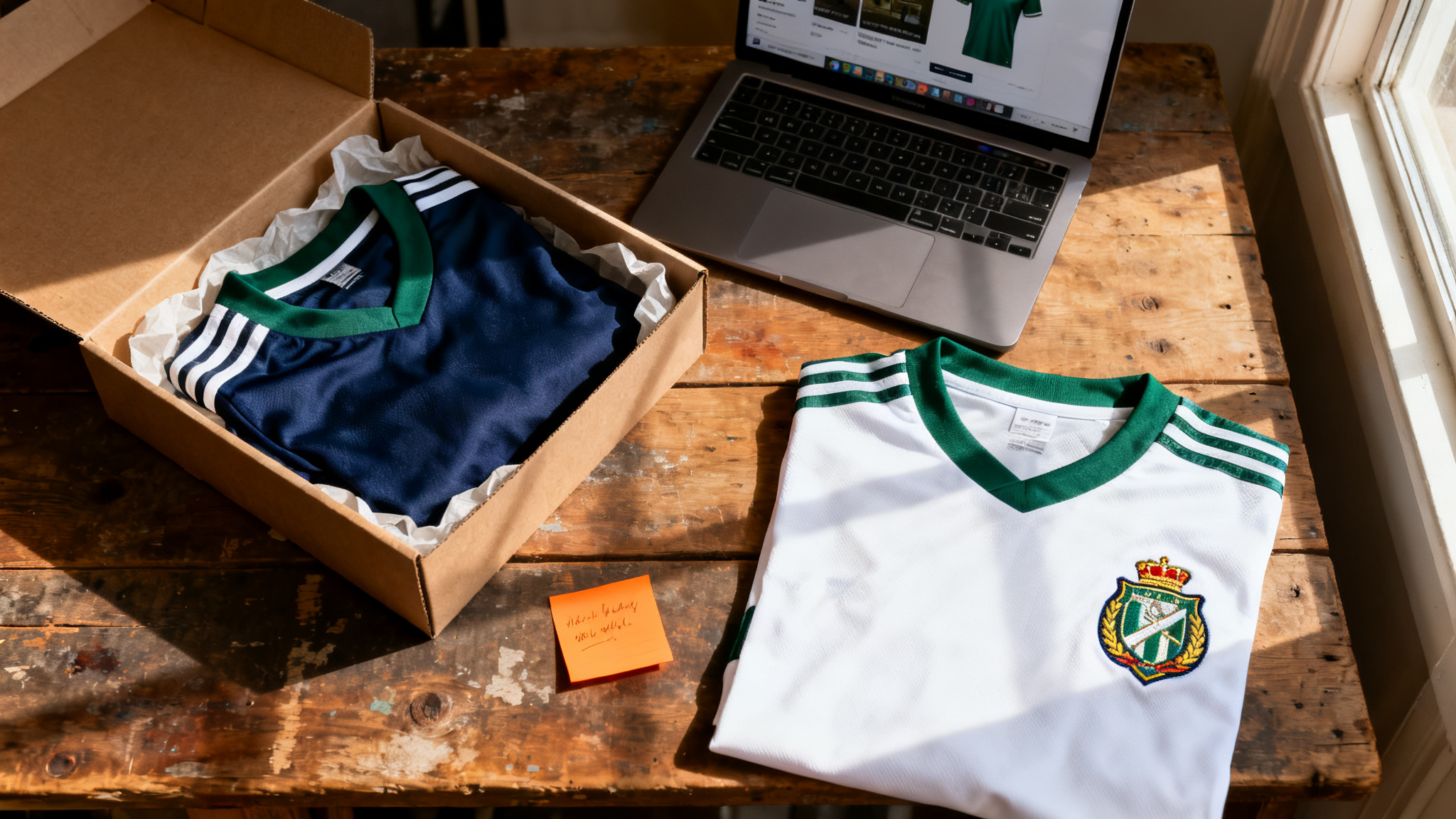
For affordable football jersey alternatives that don’t sacrifice design quality, specialist concept jersey shops are consistently the best value in 2026. The price point of $30 to $50 is stable, the design quality from established studios is high, and you sidestep the whole licensing premium entirely. You also tend to get something more interesting to wear than whatever kit deal a club signed four years ago.
At conceptjerseys.com, the concept kits are curated specifically for design quality and fabric integrity. Every piece in the range has been checked for wash-fastness and seam durability before it lands on the site, which is not a guarantee every concept jersey seller provides. See how these compare to replica and player versions in our full collection or read our deeper guide on what makes a concept kit worth buying.
Pre-Owned and Vintage Markets
Vintage and pre-owned official kits have their own pricing logic entirely. A match-worn 1990s shirt from a significant player can fetch hundreds or thousands. A standard worn replica from the same era in good condition might run $40 to $80 depending on the club. The value here is sentimental and historical rather than purely practical, but it’s a real market with real price signals.
Customization Adds to the Base Cost
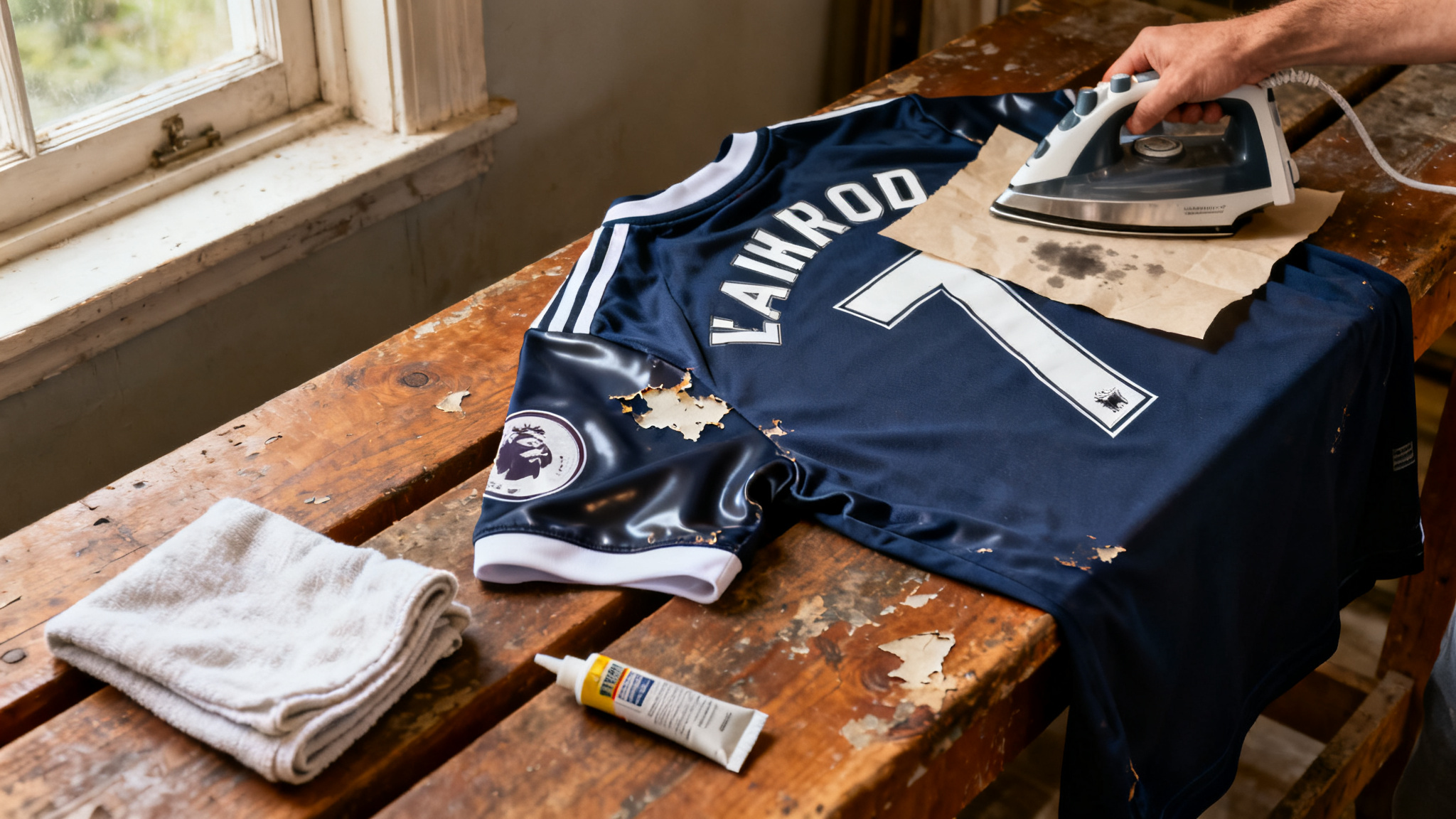
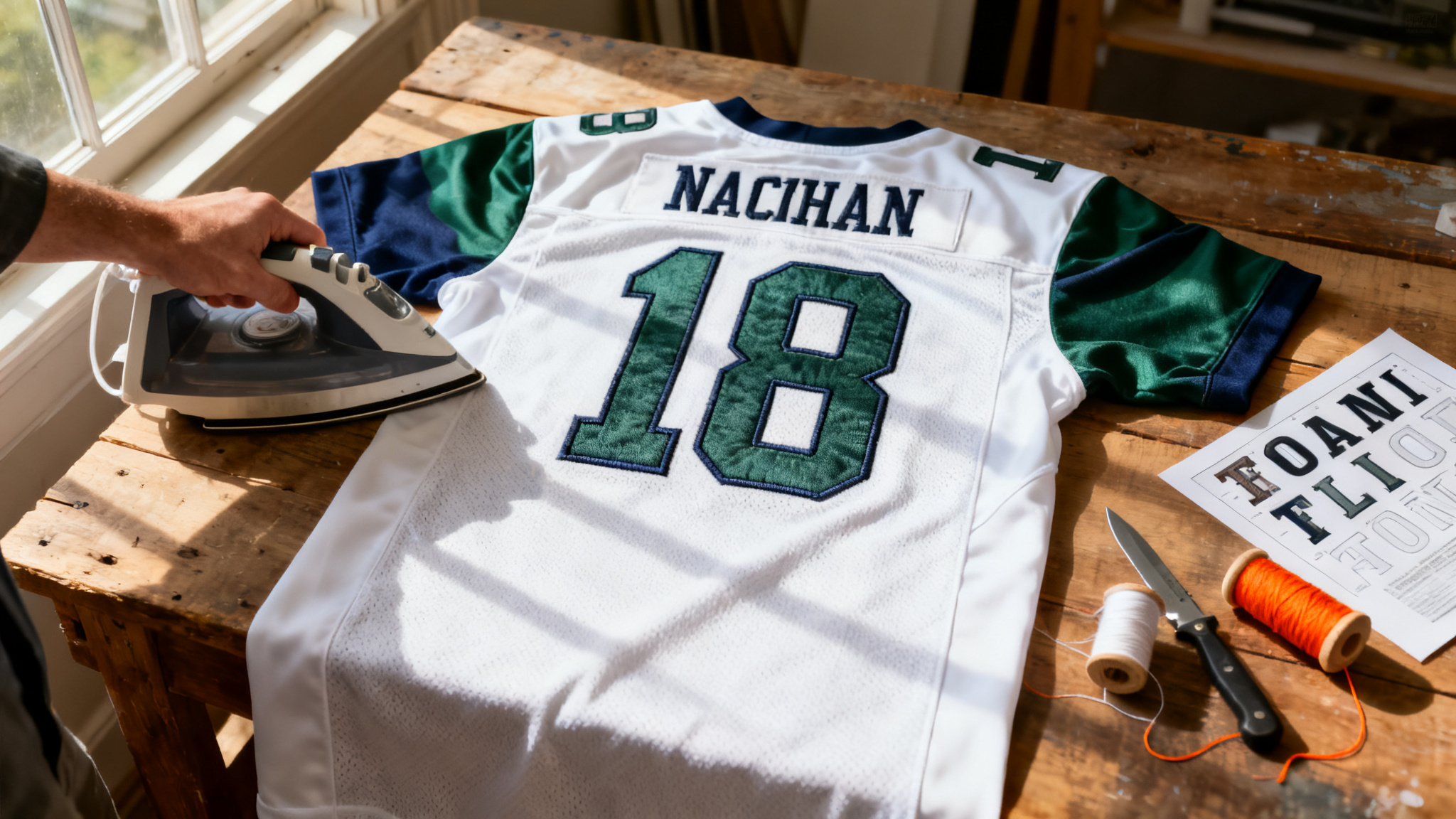
Adding a name and number to any jersey adds $15 to $30 depending on the printing method and where you have it done. Embroidered lettering costs more than heat-transfer vinyl and lasts longer through washing. If you’re investing in a player-version shirt, embroidered customization is worth the premium. On a concept kit at $35, heat-transfer customization at $15 gives you a total outlay of around $50 for a personalized shirt, which remains hard to beat.
A note on sizing: most official kits and concept kits run slightly small compared to standard European or US sizing. If you’re between sizes, go up, especially if you’re layering underneath for cold-weather matches.
FAQ
Why do official football jerseys cost so much compared to regular sports clothing?
The price of an official jersey includes a licensing fee paid to the club, a separate fee tied to the kit manufacturer’s brand, and the cost of a global distribution network. The actual fabric and manufacturing represents a smaller portion of what you pay at retail than most people expect. You’re buying the badge, the official status, and the brand marks as much as the garment itself.
Are cheaper football jerseys worth buying, or do they fall apart quickly?
Price alone doesn’t predict durability. A concept jersey from a reputable studio at $35 to $50 using quality polyester fabric will outlast a poorly cared-for official replica twice the price. The key variables are fabric weight (look for 130 g/m² or above for regular wear), seam construction, and wash care. Inside-out cold machine wash and air drying extend the life of any jersey regardless of price.
What is the difference between a replica and a player-version football jersey?
A replica is cut for general wear comfort, uses lighter fabric (around 120 g/m²), and typically has a heat-transferred crest. A player version (also called authentic) uses denser fabric with heat-sealed seams, a closer athletic cut, and usually a fully embroidered badge. Player versions cost $40 to $60 more and perform better under intense physical use. The embroidered crest also holds up better over many washes.
When is the best time of year to buy a football jersey at a lower price?
End-of-season clearance periods are your best windows. In the European football calendar, May and June see clubs clearing current-season stock before new kits drop. December and January also see mid-season discounts on third kits and away kits that didn’t move as quickly as home kits. Official retailers and authorized third-party shops both run these clearances, usually at 20-30% off retail.
Can I trust concept jerseys as quality products, or are they just cheap alternatives?
The best concept jersey studios produce shirts with real design intent, careful material selection, and rigorous quality checks. They’re not licensed, but that’s a legal distinction, not a quality one. Some concept designs circulating in fan communities are more visually interesting than anything a major club released through official channels in the same year. The range of quality is wide, though: it pays to buy from studios or curated shops with a track record and a returns policy rather than random social media drops.
How do I know if a football jersey fabric weight is good enough for regular match-day wear?
Look for fabric weight listed at 130 g/m² or above for regular wear or physical use. Anything below 120 g/m² is best treated as casual-wear only and may pill or stretch at the collar after heavy use. Heavier weights above 150 g/m² are typically reserved for player-version and training jerseys, where structural durability matters more than breathability. If a seller doesn’t list fabric weight, ask before you buy; reputable shops always know their specs.
Getting the Right Jersey at the Right Price for How You Actually Wear It
The honest advice is simple. If you’re buying to support a club and wear the current season’s look to matches, an official replica at $80 to $100 does exactly what it’s supposed to do. If you want something closer to what the players wear and you’re going to put it through real physical use, the player version at $130 to $150 earns its extra cost. And if you want design quality at a price that doesn’t require a long think before checkout, a well-sourced concept kit at $30 to $50 gives you something genuinely interesting to wear.
None of these answers is wrong. The right one depends entirely on why you’re wearing the shirt. Browse the full concept jersey collection to see what’s currently available across clubs and design styles, and filter by fit if you already know your usual kit size.
The fabric doesn’t lie. Hold it up, check the weave, and you’ll know immediately whether it’s worth what’s printed on the tag. ⚽
The shop
Find your jersey
Clubs, national teams, concept and retro designs. With your name and number, if you like.
- Free shipping from $65
- 3 jerseys = 1 free
- 14-day returns