SPECIAL OFFER BUY 3 JERSEYS = GET 1 FREE

How to Wear a Football Jersey Casually Without Looking Like You Just Left the Stadium
Football jerseys belong far outside the stadium. Kit Henderson breaks down exactly how to style a football jersey for everyday wear, covering fits, layering, fabric choices, and the pairings that actually work.
In this article8 sections
- Start With the Right Jersey: Fit and Fabric Before Anything Else
- The Trouser and Shoe Combinations That Actually Work for Casual Jersey Outfits
- Layering the Jersey: How to Build an Outfit Around It
- Concept Jerseys and Vintage Kits: Styling Considerations That Differ
- Color Coordination: Reading the Kit Before You Build the Outfit
- Accessories That Complement a Football Jersey Without Overdoing It
- Frequently Asked Questions about Wearing a Football Jersey Casually
- Making the Jersey Work for You, Not Just for Matchday
The jersey has been sitting in your wardrobe since the last home match. You wore it once on a Tuesday night, got the win, and then hung it back up because you weren’t sure where else it belonged. That’s the thing about football kit: most people treat it as a single-use garment, something you save for the terraces. But the fabric, the cut, the history stitched into that crest, it deserves more than 90 minutes every two weeks.
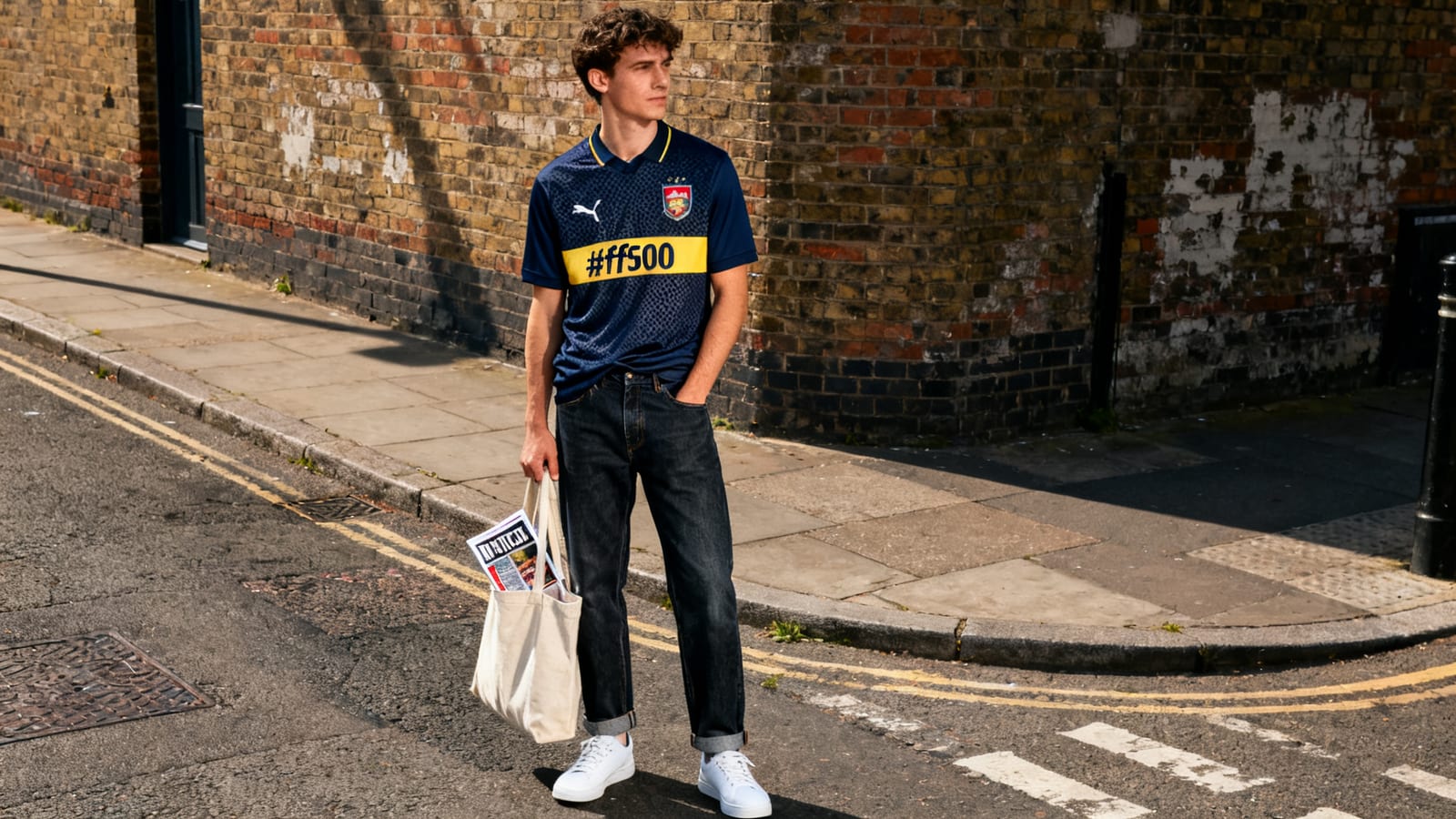
Wearing a football jersey casually is genuinely achievable without looking like you’ve wandered out of a stadium car park. It takes a few adjustments to fit, layering, and the pieces you pair it with. This is what actually works.
Start With the Right Jersey: Fit and Fabric Before Anything Else
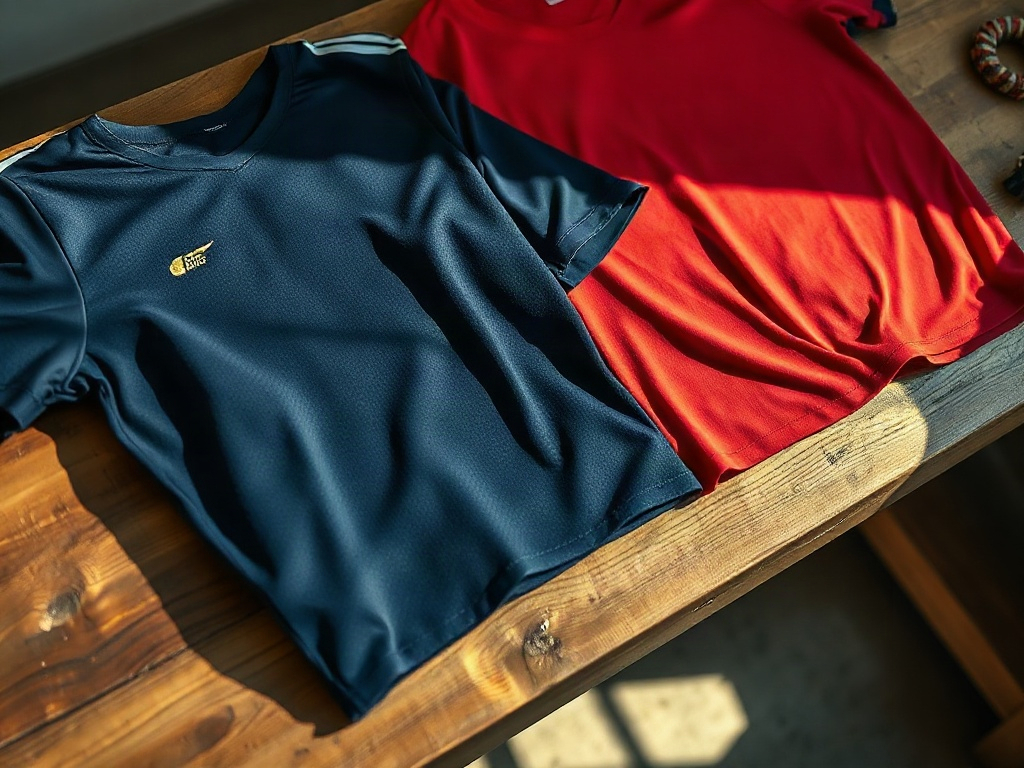
The single most important thing you can do before styling a football jersey casually is assess its cut and fabric weight, because those two factors determine every other decision you make about layering, tucking, and what goes below it. Not every jersey translates to streetwear equally. The cut matters more than the club badge when you’re wearing it off the pitch. Modern kits cut quite slim, especially since 2020, which helps. Older replica jerseys from the early 2000s sit boxy, with deep armholes and wide shoulders that read “supporter at the pub” rather than “considered outfit.”
If your jersey runs large, try the half-tuck. Pull the front hem into your trousers or jeans, leave the back loose. It breaks the box silhouette immediately. If the jersey fits close to the body already, wear it straight out and let the crest do its work.
Fabric weight also plays a role here. A lightweight polyester mesh jersey from a modern kit will drape and move differently than a heavier cotton-blend from the 1990s. The heavier cotton kits actually style beautifully as a casual layer because they sit more like a regular T-shirt. The thin technical fabrics of modern match-worn replicas need a bit more intention around them.
| Fabric type | Era | Best casual styling approach | What to avoid |
|---|---|---|---|
| Heavy wool flannel | 1870s, 1950s | Display piece or cold-weather layer under overcoat | Vigorous tucking; delicate fabric needs care |
| Cotton-blend replica | 1960s, 1990s | Treat like a graphic tee; half-tuck into dark denim | Overly athletic shoes that read as full kit |
| Nylon / early polyester | 1970s, 1990s | Layer under open denim jacket; pair with slim chinos | Shorts (tips into pure supporter gear) |
| Lightweight polyester mesh | 2000s, present | Anchor with structured trousers and clean leather shoes | Cargo trousers with heavy pockets |
- Slim or regular fit jerseys: wear straight, tucked, or half-tucked
- Oversized boxy jerseys: layer them or size down when buying new
- Cotton-blend vintage kits: treat them like a graphic tee, they’ll behave like one
- Technical mesh kits: anchor them with structure elsewhere in the outfit (tailored trousers, clean shoes)
The Trouser and Shoe Combinations That Actually Work for Casual Jersey Outfits
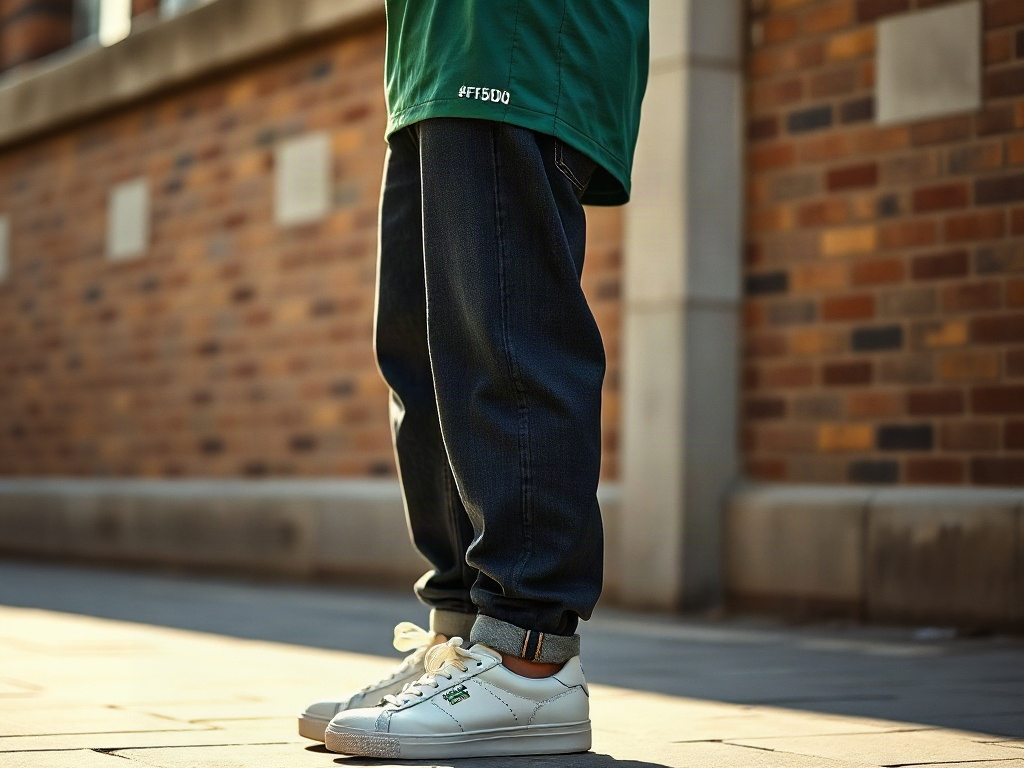
When wearing a football jersey casually, the trousers and shoes you choose do most of the heavy lifting: dark straight-leg denim or slim chinos in neutral tones anchor the kit in everyday wear, while clean leather trainers keep the whole look grounded rather than sporty. The jersey is a statement piece. What goes below it needs to be relatively calm to let it breathe.
Dark straight-leg denim is the most reliable base. The structure of denim grounds the casual looseness of a jersey and reads as an outfit rather than a kit. Slim chinos in olive, stone, or navy work just as well, particularly with a jersey that has a classic club colorway. Avoid shorts for anything outside of actual matchday or summer bleacher situations: the combination tips back toward pure supporter gear too quickly.
Shoes carry more weight in this pairing than most people expect. Clean white leather trainers, like a classic low-profile court shoe or a minimal running silhouette, let the jersey stay central. Chunky dad trainers also work if the jersey has some visual bulk to match them. Avoid overly technical trail runners or heavily branded athletic shoes because the whole look starts to read as sports kit rather than casual outfit.
- Best trouser pairings for casual jersey outfits: dark wash straight-leg denim, slim olive chinos, stone or navy twill trousers
- Avoid: athletic shorts (unless it’s summer), overly distressed jeans, cargo trousers with heavy pockets
- Best shoe pairings: clean white leather low-tops, minimalist court shoes, simple suede loafers for a sharper take
- Avoid: heavy trail shoes, heavily branded sports trainers, formal dress shoes
Layering the Jersey: How to Build an Outfit Around It
Layering is the fastest way to wear a football jersey casually in any season: an open overshirt or a denim jacket on top immediately shifts the jersey from matchday kit to graphic layer inside a real outfit, adding depth without hiding the crest. The jersey becomes a graphic layer, something with color and texture, inside a larger outfit.
An open linen or cotton overshirt in a neutral tone worn over the jersey works well in spring and autumn. The shirt frames the crest without covering it completely. Roll the sleeves, leave the shirt fully unbuttoned, and the result sits comfortably between streetwear and casual wear.
In colder months, a zip-up fleece or a plain crewneck sweatshirt under the jersey is a move that’s been common in supporter culture for decades but translates directly to streetwear now. Let the jersey hem sit below the sweatshirt hem so the kit remains visible. A wool or technical overcoat on top completes the layer without hiding the football reference.
Concept Jerseys and Vintage Kits: Styling Considerations That Differ
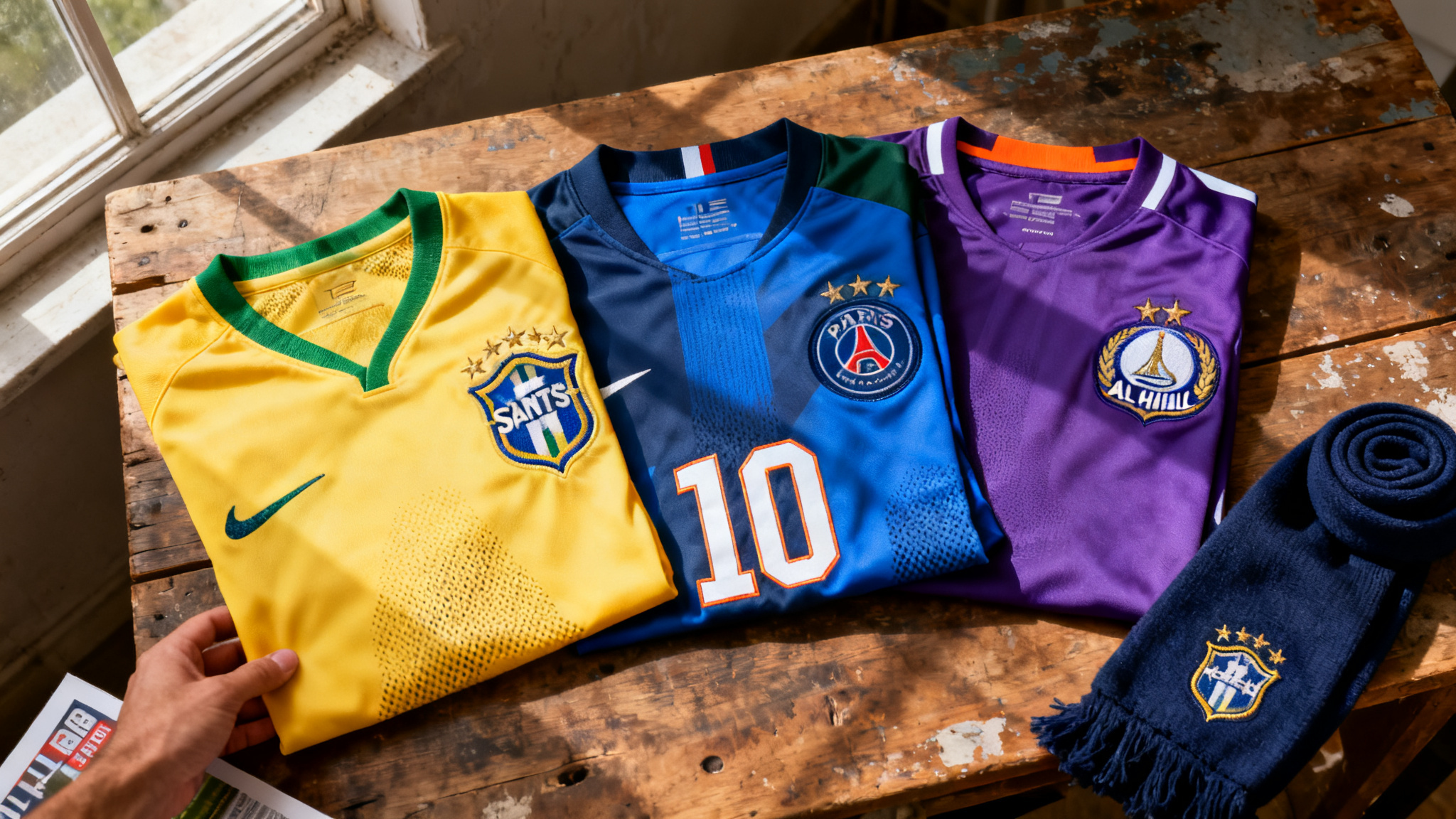
Concept jerseys and vintage kits each bring a different visual weight to casual wear: a bold graphic concept design demands a quieter outfit around it, while a 1990s cotton-blend replica in a vivid colorway styles almost identically to a collectible vintage graphic tee. Not all jerseys style the same way in a casual context. A limited-edition concept jersey with bold graphic design carries more visual load than a plain home kit with a small crest. With a high-impact concept jersey, the rest of the outfit needs to stay very quiet. Plain black or charcoal trousers, clean white shoes, nothing competing with the jersey for attention.
Vintage kits from the 1980s and 1990s come with a different set of considerations. The color palettes from that era, often brighter, with wider stripe patterns and sponsor logos that read as retro now, have a natural streetwear energy that modern replica kits don’t. A 1994 replica kit in a vivid colorway sits very close to the aesthetic of a graphic vintage tee, and the same styling rules apply. It’s worth exploring the vintage football jersey collection if you want pieces that carry that retro weight without having to track down originals.
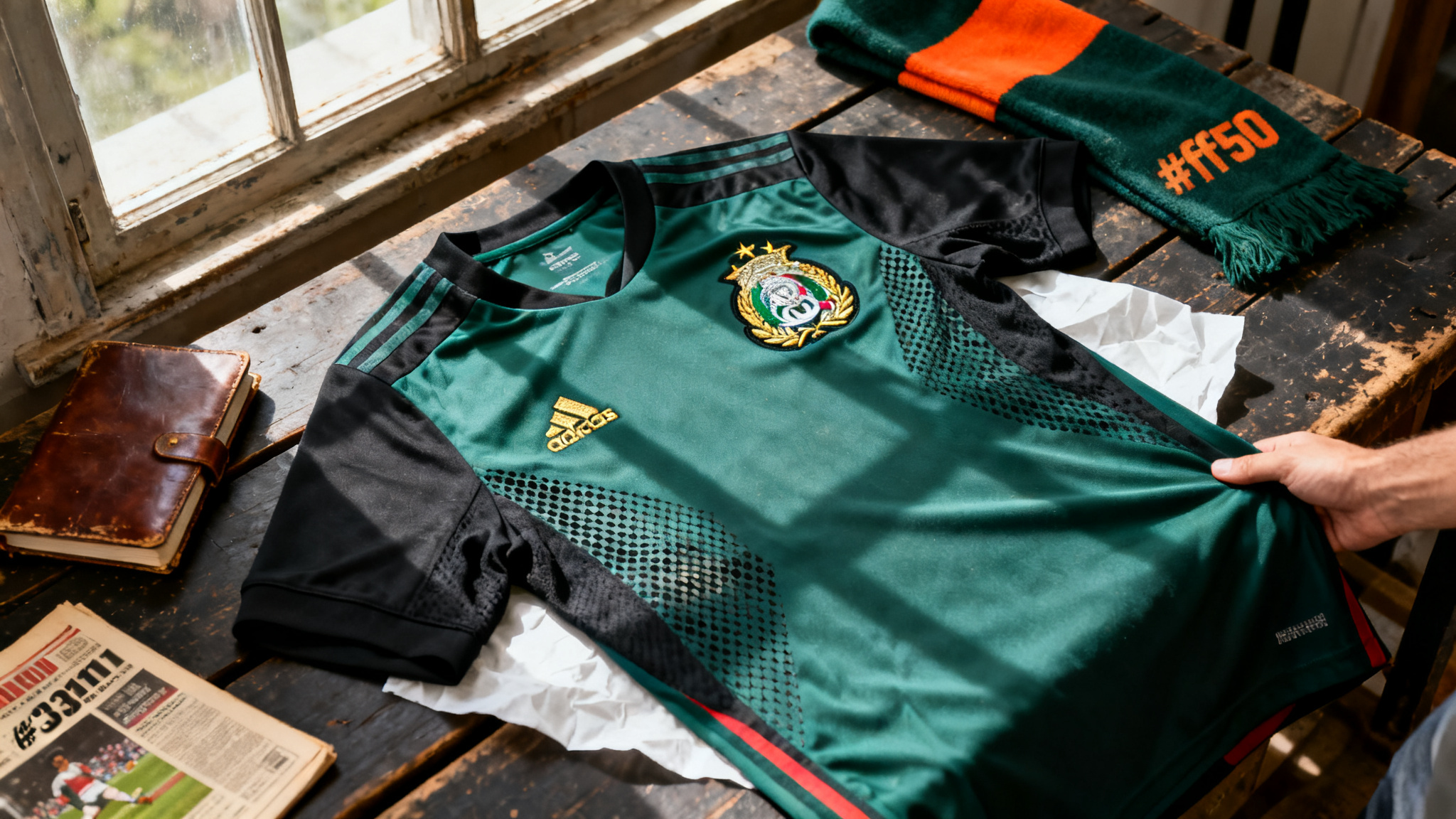
Concept designs occupy their own category. Because they’re not tied to a specific season’s campaign or a televised matchday, they carry less of the “supporter kit” baggage visually. A well-made concept jersey for a historic club, with thoughtful crest placement, strong embroidery, and an unusual colorway, reads more like a designer piece than a replica. Browse the concept jersey range to see what that looks like in practice.
Color Coordination: Reading the Kit Before You Build the Outfit
Color coordination starts before you open your wardrobe: count the two or three colors in the jersey itself, then build every other piece in the outfit from that palette so the kit leads and everything else follows. Before anything else, look at the jersey and count the colors actually in it. Most kits use two or three: the main body color, an accent stripe or collar, and the crest detail. Your outfit should pull from that palette, not clash with it or try to neutralize it completely.
A navy and white jersey pairs naturally with navy, grey, or white trousers. A red home kit works with black denim or charcoal chinos: the contrast is clean without being jarring. A pale away kit in light grey or cream benefits from warmer earth tones below, burnt sienna chinos or tan denim, to stop the whole outfit reading as washed out.
The common mistake is pairing a jersey against whatever trousers were closest. The jersey is doing something specific. Give it trousers that agree with what it’s doing rather than fighting it.
Accessories That Complement a Football Jersey Without Overdoing It
Accessories for a casual jersey outfit should be minimal and functional: a plain cap, a solid-color tote, and a clean watch are all you need because the crest, sponsor, and colorway of the jersey are already doing significant visual work. Football jerseys carry their own visual weight. The crest, the sponsor, the number on the back if you’ve had one printed: these are already a lot of information. Keep accessories minimal and functional.
A plain cap in a neutral color or a matching club colorway works. A tote or canvas bag in a solid color does the job without adding more branding noise. A clean watch, a simple ring or bracelet. That’s about all the outfit needs.
What to avoid: wearing multiple branded items that all compete with the jersey. If the jersey already has sponsor logos, club crest, sleeve details, and number, adding a heavily branded bag and multiple graphic accessories tips the balance from casual fashion into promotional material. The jersey should be the focus. Everything else is support.
If you’re interested in matching accessories to specific kit colorways, the football accessories section covers scarves and caps that are designed to sit alongside jersey styling rather than fight it.
Featured pick
Concept Jersey Collection
Raised woven embroidery, considered colorways, and cuts that sit closer to contemporary casualwear than standard replica kits. Built to wear past matchday.
Frequently Asked Questions about Wearing a Football Jersey Casually
Can I wear a football jersey to a restaurant or bar?
Yes, with the right pairings. A well-fitted jersey tucked into dark chinos, with leather shoes and a plain overshirt, reads as smart casual in most bars and casual restaurants. Avoid match-day styling (shorts, trainers, heavy branding) if the venue has a dress standard. The fabric and fit matter here more than the fact it’s a jersey.
Should the jersey be tucked in or worn loose?
Either works depending on the cut. A slim-fitting modern jersey worn loose reads clean. A boxy oversized jersey benefits from a half-tuck or full front-tuck into trousers to break the silhouette. If the jersey has a curved hem or a longer back hem designed for tucking, follow the shape it’s asking for.
Is it appropriate to wear a jersey from a club you don’t support?
In casual streetwear contexts, yes. Wearing a kit purely for its visual design, colorway, or historical significance is accepted in collector and fashion communities. At a live match, local context matters more. A vintage 1986 Argentina away kit worn on a Saturday afternoon in a city is a fashion statement. The same shirt at a stadium carries different signals depending on the fixture.
How do I style a football jersey in colder weather?
Layer it. A crewneck sweatshirt or plain long-sleeve T-shirt underneath, with the jersey on top, works from autumn through winter. Add a wool overcoat or a heavy denim jacket on top. The jersey hem visible below an open coat gives enough football reference without committing to a full kit-only look in cold weather.
Do name and number prints affect how casual a jersey looks?
They add a layer of visual information. A blank jersey or one with just a crest is easier to style neutrally. A name and number print signals supporter culture more directly. If the name is a club legend or a historical number, it reads as collectible reference rather than pure supporter gear. Current season squad numbers are harder to detach from matchday context, but it depends on the overall outfit execution.
What is the difference between a replica jersey and a concept jersey for casual wear?
A replica jersey replicates what the first team wore on the pitch in a specific season; it carries all the matchday associations that come with that. A concept jersey is designed from the ground up for the garment itself, without being tied to a televised campaign. That independence gives concept designs more flexibility in casual contexts, since nothing about them signals “I just left the stadium.”
Making the Jersey Work for You, Not Just for Matchday
A football jersey worn casually with intention, the right cut for your body, denim that holds its shape, one structured layer, and accessories that stay quiet, earns its place in an everyday wardrobe without losing a single thing that makes it football. The club, the era, the colorway you chose: that’s not nothing. The goal of wearing it casually isn’t to hide the football, it’s to give the garment a fuller life outside the 90 minutes it was technically designed for.
The fabric doesn’t lie. A good jersey, well made, with real embroidery and a thoughtful design, holds its own in any context. What changes is how you frame it. Dark denim, clean shoes, one good layer: that’s the structure. The jersey does the rest. If you’re looking for a piece worth building an outfit around, the full jersey range has options across styles, eras, and clubs worth wearing past the final whistle. ⚽
The shop
Find your jersey
Clubs, national teams, concept and retro designs. With your name and number, if you like.
- Free shipping from $65
- 3 jerseys = 1 free
- 14-day returns