SPECIAL OFFER BUY 3 JERSEYS = GET 1 FREE

What color jersey for fair skin? The color analysis guide
You have fair skin and don\u2019t know which jersey color to choose? Blood reds, navy blues, forest greens: discover the shades that truly flatter pale skin, and the ones to absolutely avoid.
In this article6 sections
Understanding Colorimetry for Light Skin Tones
Not all fair skin tones are alike. From porcelain skin with rosy undertones to olive-toned fair skin and milky complexions with neutral hues, the rules of colorimetry vary significantly. Before choosing a jersey color, it’s helpful to identify your undertone: cool (pink or blue undertones), warm (golden or peach undertones), or neutral (a mix of both).
This distinction changes everything. A color that brightens a cool fair complexion can easily dull a warm fair one, and vice versa. Good reflex: check the color of your veins on your wrist. Blue veins indicate a cool undertone, while greenish veins point to a warm undertone.
Once you have that reference point, choosing a jersey becomes much more intuitive, and wardrobe mistakes are naturally avoided.

Colors That Truly Flatter Fair Skin
Certain shades have an almost magical effect on fair skin. They create warm contrast, boost your complexion, and highlight your shape without accentuating redness or paleness.
Blood Red and Bordeaux
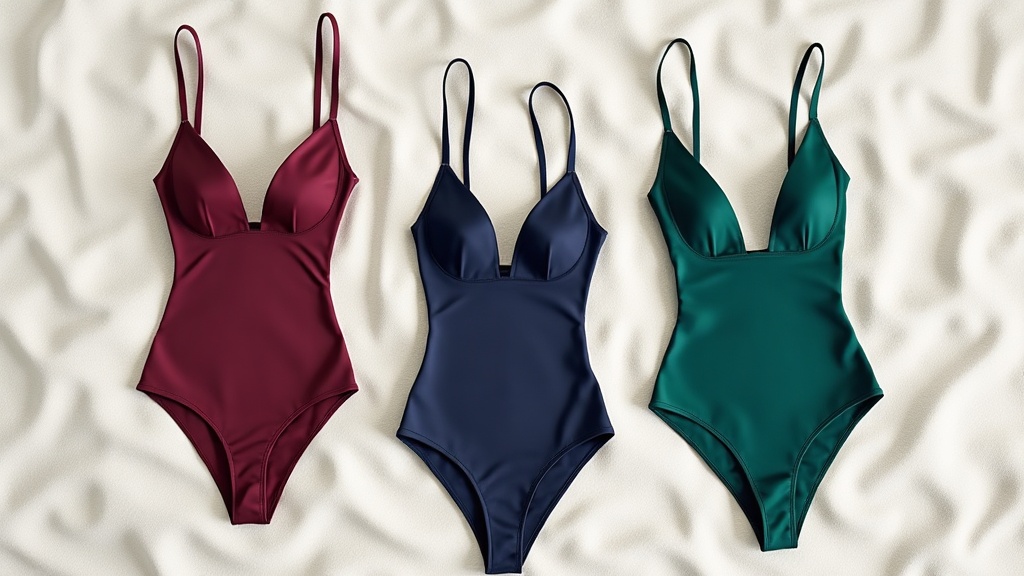
Deep red, close to bordeaux or garnet, is one of the absolute safe bets for fair skin. Its intensity creates a flattering contrast that immediately warms up your complexion. Unlike bright red or orange, it doesn’t drag the skin toward dullness. In a one-piece jersey or bikini, this color slims the silhouette and draws attention for all the right reasons.
Navy Blue and Midnight Blue
Navy blue is a timeless classic, and for good reason: its dark, contrasting nature elevates fair skin by adding depth. Deep cobalt blue or midnight blue highlights the lightness of your complexion without overdoing it. It’s a versatile color that works well for both cool and warm undertones.
Forest Green and Deep Khaki
Emerald green, pine green, or military green are valuable allies for fair skin with warm or neutral undertones. These earthy, deep shades warm up your complexion without being harsh. They create a natural harmony and evoke an elegant freshness, perfect for summer.
Black and Very Dark Navy
Unbeatable, black remains the go-to color. It creates maximum contrast with fair skin, slims the silhouette, and never makes a mistake. Very dark navy plays the same role with a slightly softer touch.
Peach Coral (for Warm Undertones)
Fair skin with warm undertones can indulge in soft corals or deep peach tones. These shades warm up your complexion rather than washing it out. The key is to avoid overly loud tones: a deep salmon coral will always be more flattering than a blazing orange.
Colors to Absolutely Avoid
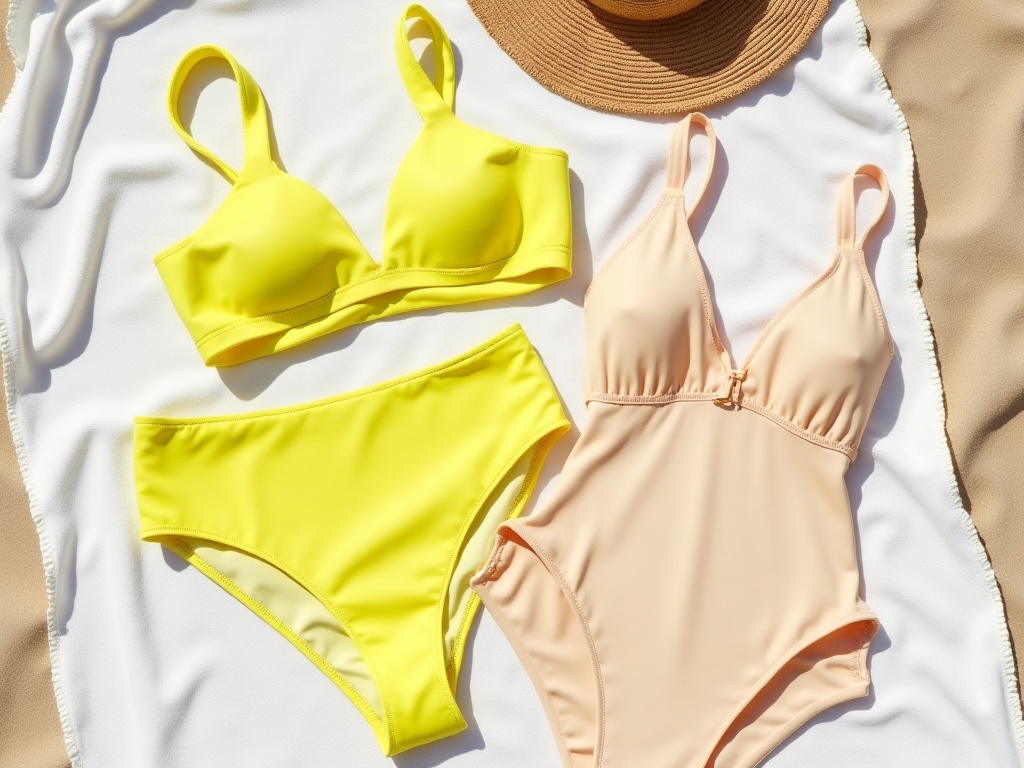
Certain shades, no matter how trendy, do a poor service to fair skin. Better to know them before you check out.
Neon Yellow and Neon Colors
Bright lemon yellow, neon green, or orange neon harshly accentuate the paleness of fair skin. These saturated colors capture all the light for themselves, leaving your complexion in the shadows. The result is often the opposite of the desired bronzed effect.
Off-White and Nude Beige
Ivory white or very pale beige blends into fair skin rather than enhancing it. The “invisible” effect is guaranteed, but not in the way you want. These shades erase contours and give the impression of dull complexion. Pure white, on the other hand, can work with a very stark contrast, but remains risky for very fair skin.
Mustard Yellow and Washed Khaki
Mustard yellow or very light khaki greens can give the skin a yellowish tint. Unlike dark greens, these warmer, desaturated tones lack the depth to create a nice contrast.
Very Light Powder Pink
Pastel bubblegum pink or powder pink are often seen as neutral choices for fair skin. However, they create an unflattering fade effect, especially in direct sunlight, and can accentuate natural redness in the complexion.
Jersey Suggestions Based on Fair Skin Type
Porcelain Skin with Rosy Undertones (Cool Undertone)
- Go for navy blue, burgundy, emerald green, and black.
- Deep plum and purple are also great options.
- Avoid oranges, yellows, and overly warm beiges.
Golden or Fair Skin with Warm Undertones (Warm Undertone)
- Forest green, dark terracotta, brick red, and salmon coral are your best bets.
- A deep orange, close to rust, can work very well.
- Avoid cool pinks, lavenders, and pure white.
Neutral Fair Skin (Neither Cool Nor Warm)
- You’re lucky—you can wear many colors. Play with strong contrasts: black, navy blue, blood red.
- Deep greens and burgundy are also very flattering.
- Be cautious with very pale pastels and neons.
Frequently Asked Questions About Jersey Color for Fair Skin
Everything you’re wondering (click to expand).
Is bright red a good idea for fair skin?
Bright red can work, but it’s less universally flattering than blood red or burgundy. If it leans orange, it risks clashing with cool undertones. Go for a deep red, cherry, or carmine, which creates a more elegant contrast.
Can I wear a white jersey if I have fair skin?
Pure white creates a very stark contrast and can work if your complexion is sufficiently contrasted (dark hair, defined eyebrows). However, off-white or ivory should be avoided as they blend into the skin without enhancing it.
Are patterns suitable for fair skin?
Absolutely. Patterns with a dark base (navy, burgundy, or black) are perfect. They add character while respecting contrast rules. Avoid patterns with a light background and pale motifs, which can wash out your silhouette.
Gold or silver—good idea for a jersey?
Gold can work for fair skin with warm undertones, especially as a small accent or detail. Silver suits cool undertones better. In large quantities, these metallic shades are very difficult for very pale skin to pull off.
Should I avoid bright colors in general?
Not necessarily. The bright, saturated colors in warm tones (neons, vivid yellows, loud oranges) are the problematic ones. A deep electric blue or intense cherry red can work very well if the contrast with the skin is strong enough.
Mastering Contrast: Build Your Beach Wardrobe with Confidence
The key for fair skin isn’t to avoid color—quite the opposite. It’s all about playing with contrast. The deeper and more saturated the shade, the more it flatters a light complexion. A lace-up burgundy bikini, a deep blue one-piece with cutouts, a forest green bandeau: these choices turn fair skin into a visual asset rather than a weak point.
In 2026, collections are leaning into bold colors and subtly shiny fabrics. That’s a trend that clearly favors fair skin. Designers are embracing burgundy, deep blues, and textured blacks—shades that honor Nordic, Celtic, or simply sun-limited undertones.
Building your jersey selection around two or three core colors (a navy blue, a burgundy, a forest green) ensures a beach wardrobe that’s cohesive, flattering, and easy to wear. The rest is all in the details: cutouts, materials, fits, and accessories do the heavy lifting.
The shop
Find your jersey
Clubs, national teams, concept and retro designs. With your name and number, if you like.
- Free shipping from $65
- 3 jerseys = 1 free
- 14-day returns