SPECIAL OFFER BUY 3 JERSEYS = GET 1 FREE

Recognize a Heat-Sealed Jersey: The Complete Guide
Sharp edges, perfect flexibility, fused with the fabric: heat sealed is the marking technique used for authentic football jerseys. Here\u2019s how to spot it every time, by sight and by touch.
In this article7 sections
What exactly is heat sealed?
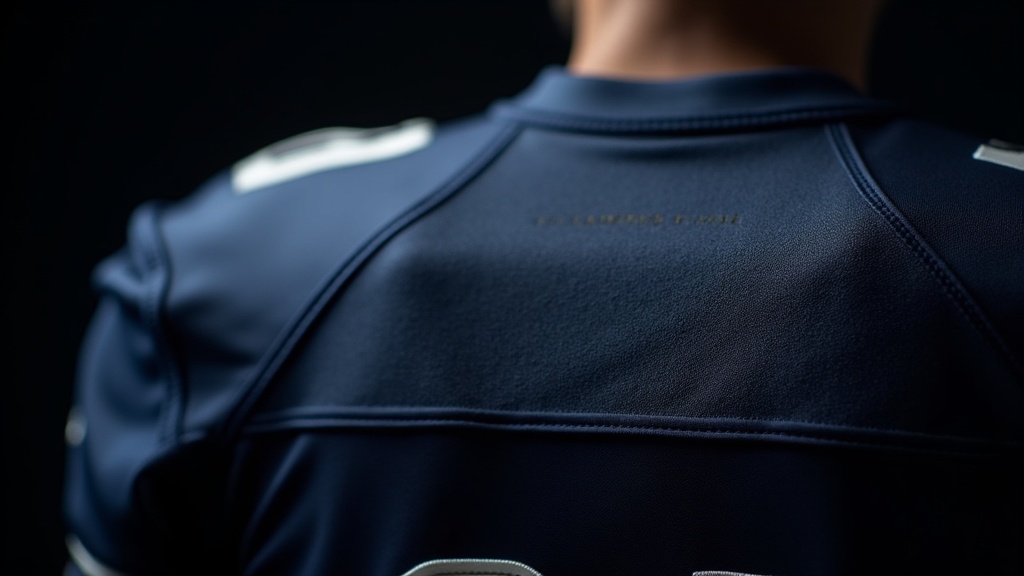
When you hold a soccer jersey in your hands and run your finger over the lettering, you can feel two different worlds. On one side, a warm, soft relief that almost melts into the fabric. On the other, something more rigid, stitched or visibly glued on. That first case is heat sealed—a marking technique that has steadily taken over from embroidery and traditional pressing in premium soccer jerseys.
The principle is simple: letters, numbers, or crests are made from thermoplastic polymer, then applied to the fabric using heat and pressure. The heat activates a thermal adhesive built into the piece, which bonds directly to the jersey’s fibers. The result is a perfect bond, no thread, no visible stitching.
This process is now used by major brands like Nike, Adidas, and Puma on their authentic versions (also called “player version” or “authentic”). Knowing how to spot it means you’re sure you’re getting what you paid for.
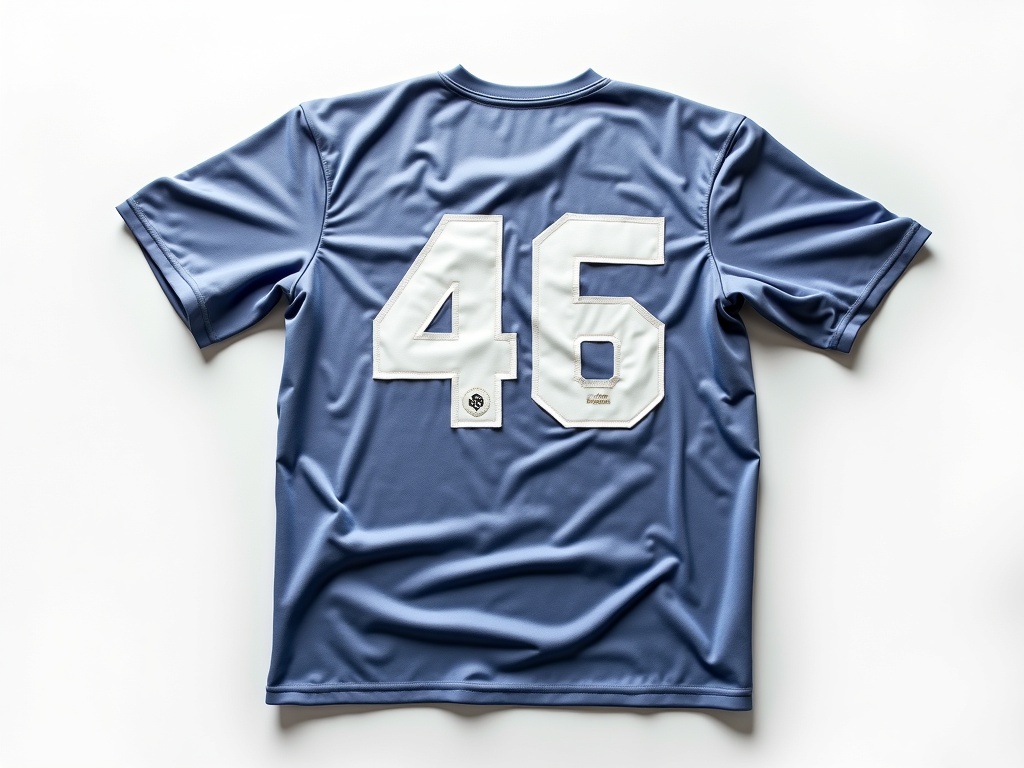
The visual signs that never lie
An authentic heat sealed jersey has several very specific visual features. Here’s what to look for:
- Edges of letters and numbers: they’re clean, perfectly defined, with no rough edges or loose threads. The outline feels smooth to the touch.
- The surface: matte or slightly satin-finished depending on the brand, never shiny like a simple vinyl sticker.
- Thickness: thin and even. A real heat seal doesn’t form a thick ridge along the edges.
- Flexibility: the lettering bends with the fabric without cracking or peeling. If you fold the jersey and the print resists or leaves a white mark, that’s a bad sign.
- Partial transparency: on certain pieces, especially back numbers, you can slightly see the fabric weave through the heat sealed element. This is a sign of thinness and authenticity.
The touch test: the most reliable method
Sight is a first indicator, but it’s really the feel that makes the difference. A professional-grade heat seal has a characteristic sensation you quickly learn to recognize.
Run your fingernail along the edge
Gently slide your fingernail along the outline of a letter or number. On a real heat seal, you’ll barely feel any transition between the print and the fabric. The join is nearly invisible to the touch. On a fake, or a cheap vinyl print, you’ll clearly feel a ridge, sometimes even a slight lifting starting.
Pinch the fabric and print together
Try to slightly peel the print away from the fabric by pinching both. An authentic heat seal is fused with the fiber: you won’t be able to slip a nail between the two without risking damage to the fabric itself. A poorly applied vinyl, however, will start to separate with no effort.
Check residual warmth
This test is less common but very telling: briefly press the print against your cheek. A quality heat seal slightly conducts body heat and “breathes” with the fabric. A plastic sticker, on the other hand, stays cold and impermeable.

Heat Sealed vs. Other Marking Techniques
To properly identify heat sealed, it helps to know what it’s up against. Soccer jerseys primarily use three other techniques:
Embroidery
Still used on club crests in some replica versions, embroidery is instantly recognizable: visible threads, pronounced relief, textile texture. It’s heavier and less suited to performance jerseys.
Flock (Velvet) Lettering
Popular in the 1990s and 2000s, flocking offers a soft, slightly fuzzy texture. It ages poorly, tends to wear out, and loses its fibers. It’s still found on entry-level replicas.
Printed Vinyl
Vinyl is the cheapest technique. It’s recognizable by its glossy surface, lack of flexibility, and well-defined edges. It’s a hallmark of the most common counterfeits and low-end jerseys. Its lifespan is limited: it cracks and peels off after the first few heavy washes.
Heat sealed clearly sits above these three options in terms of durability, lightness, and professional finish. On an authentic 2025 or 2026 jersey, it’s the absolute standard.
Differences by Brand
Not all brands apply heat sealed the same way. Here are some helpful pointers:
Nike
Authentic Nike jerseys have used heat sealed numbers and names for several seasons. The pieces are generally very thin, with a slightly granular texture to the touch. The “swoosh” logo on some versions is also heat-sealed, giving a near-three-dimensional, low-profile relief.
Adidas
Adidas often opts for a more matte heat sealed finish, with thicker fonts on some clubs. The three stripes on the shoulders are sometimes heat-sealed as well, which is a strong authenticity check.
Puma and Macron
These brands also use heat sealed on their premium lines, but with slightly different materials. Puma pieces often feel a bit stiffer when cold, then relax after a few minutes of contact with the body.

Frequently Asked Questions About Heat Sealed
Everything you’re wondering (click to expand).
Can a heat sealed jersey be washed normally?
Yes, but with precautions. Wash it at 30°C maximum, inside out, and do not use a dryer. The intense heat from a dryer can reactivate the thermal adhesive and peel off the elements. Hand washing is ideal for extending the life of the lettering.
How can I tell if a heat sealed is original or re-done?
A re-done heat sealed often shows slight warping of the fabric under the lettering, since heat has already been applied once. The edges may also be less sharp. Also check that the font used matches the club’s font for the season in question.
Do all authentic jerseys have heat sealed?
No. “Replica” or “fan version” jerseys still frequently use vinyl or flock to reduce costs. Heat sealed is primarily the mark of “authentic” or “player version” jerseys—those whose cut and materials are identical to what’s worn on the pitch.
Is a heat-sealed jersey always authentic?
Not necessarily. High-end counterfeits now use techniques close to heat sealing. That’s why the feel, edge precision, and flexibility of the print remain key criteria, which need to be cross-checked with other details like tags, stitching, and authenticity holograms.
Can you get heat sealing done on a blank jersey?
Yes, some specialized providers offer this service. But the quality of the result depends heavily on the equipment used. A professional heat press and the right temperatures are essential for a durable, clean result.
Choosing your jersey by understanding heat seal codes
Recognizing a quality heat seal is essentially learning to read a jersey like a pro. Every detail tells a story: the fineness of an edge, the flexibility of a number, the matte finish of a surface. It’s not about snobbery—it’s about knowing what you’re buying and not getting fooled.
In 2026, authentic soccer jerseys come with significant price tags. Investing in your club’s jersey, a concept edition, or a tribute to a legendary season deserves checking that the print is up to par. A well-executed heat seal is the silent mark of a jersey that’s been thought through to the last detail. And that, you can literally feel.
The shop
Find your jersey
Clubs, national teams, concept and retro designs. With your name and number, if you like.
- Free shipping from $65
- 3 jerseys = 1 free
- 14-day returns