SPECIAL OFFER BUY 3 JERSEYS = GET 1 FREE

How to wash a soccer jersey with printed names and numbers without ruining it
Heat pressing, embroidery, player name: one poor wash is enough to ruin everything. Discover the essential steps to wash a personalized soccer jersey without peeling or cracking the customization, from the washing machine to drying and storage.
In this article6 sections
- Heat-Pressed Vinyl vs. Embroidery: Two Materials, Two Care Logics
- Pre-Wash Prep: The Step Everyone Skips
- Machine Settings: The Right Parameters, Once and For All
- Drying: The Dryer Is Enemy Number One
- Frequently Asked Questions About Washing a Printed Soccer Jersey
- Keeping a Printed Jersey Over Time: Storage and Care Between Games
<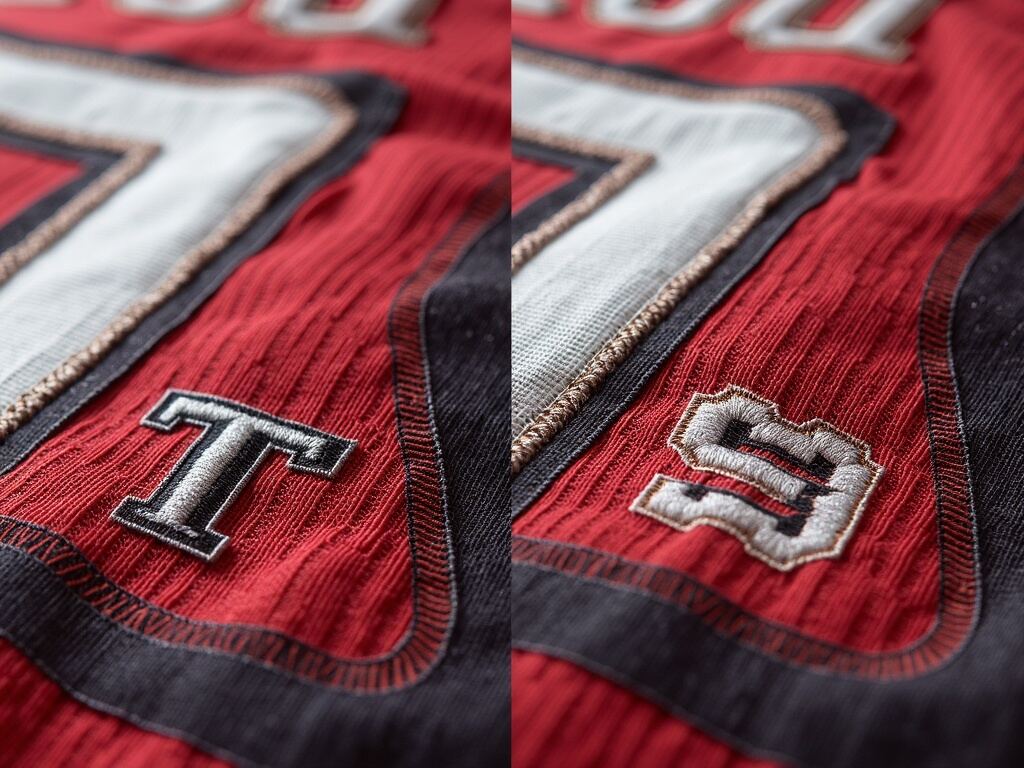
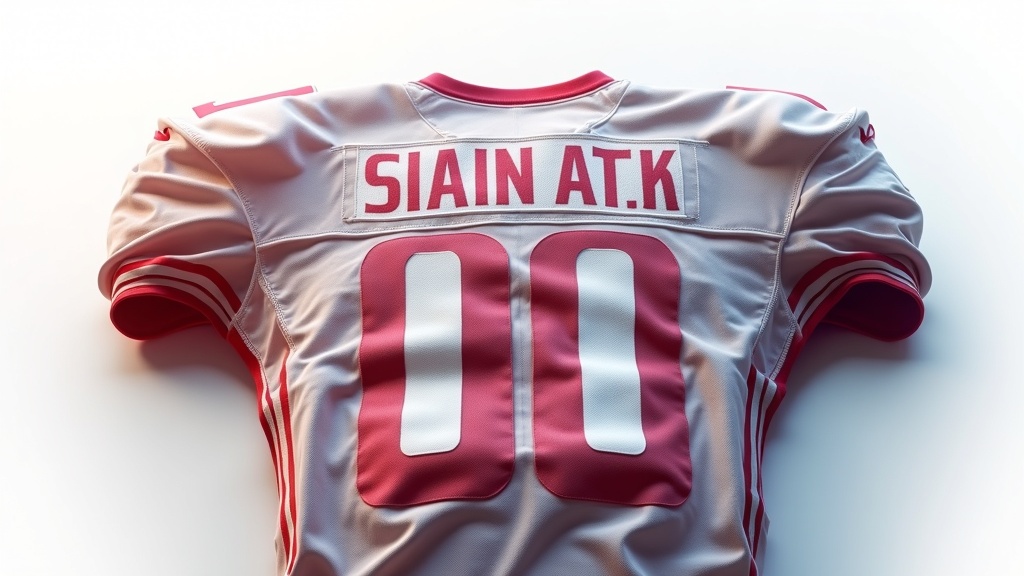
Before you touch the machine, you need to know what you’re dealing with. The soccer jerseys sold today offer two types of personalization:
- Heat-pressed vinyl (or thermo-vinyl): Layers of vinyl stacked and heat-applied directly onto the fabric. This is the most common process on official club jerseys and concept editions. Lightweight, precise, but sensitive to heat and repeated friction.
- Embroidery: Threads sewn directly into the fabric, often used for club crests, league badges, or premium numbers. More durable long-term, but it can fray if pulled on or if the wash cycle is too aggressive.
The basic rule stays the same for both: the less heat, friction, and harsh chemicals, the better the details hold up.
Pre-Wash Prep: The Step Everyone Skips
A wrinkled jersey tossed straight into the drum with a pile of laundry is the number one source of damage. A few minutes of prep make all the difference.
Always Turn the Jersey Inside Out
Turning the jersey inside out places the vinyl or embroidery facing the inside of the drum, protecting it from friction against other clothes and the metal wall. This simple move cuts the risk of peeling in half over the long run.
Wash Alone or With Soft Fabrics
Avoid mixing the jersey with jeans, bath towels, or clothes with zippers. These abrasive materials attack the fibers and edges of the vinyl with every spin. If possible, place the jersey in a mesh laundry bag for delicates.
Check for Stains Before Starting the Machine
Grass, mud, or blood stains dry quickly and need pre-treatment. Apply a little mild soap or gentle stain remover directly to the stain (avoiding the lettered areas), let it sit for ten minutes, then run the machine. Never rub directly on vinyl, even for stain removal.
Machine Settings: The Right Parameters, Once and For All
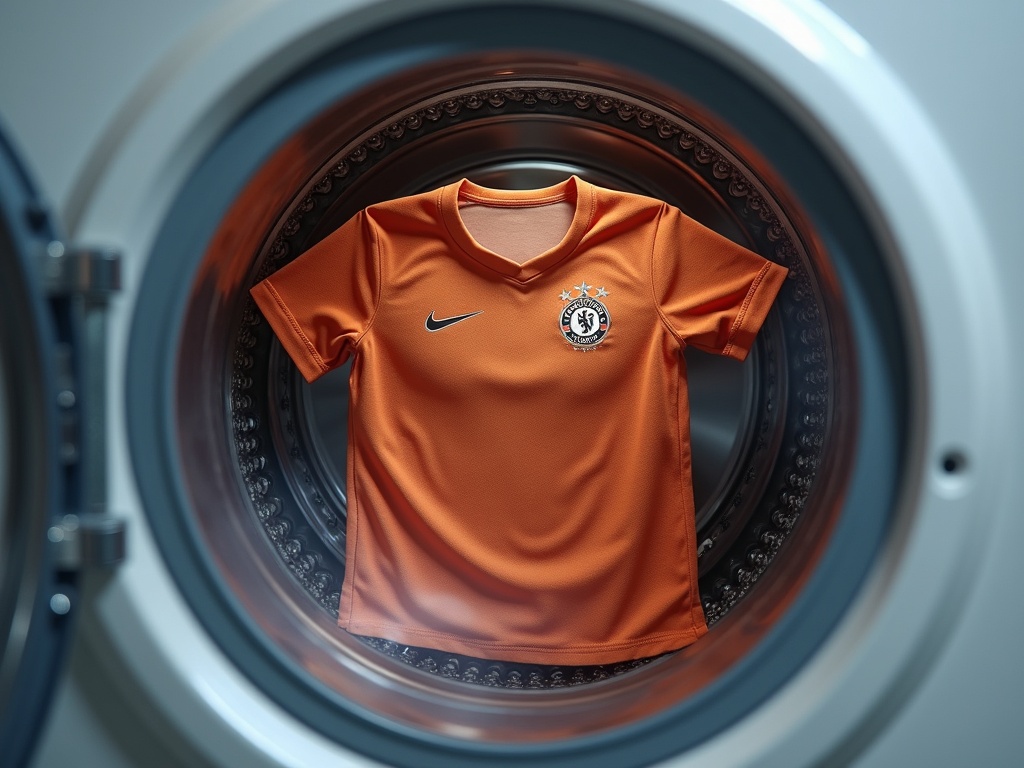
The washing machine is a friend, as long as you don’t let it do whatever it wants. Here are the settings to stick to:
- Temperature: 30°C max. Above that, heat softens the glue holding the vinyl to the fabric. At 40°C or higher, gradual peeling is nearly unavoidable after a few washes. For recycled polyester jerseys (increasingly common since 2024), 30°C is more than enough to remove odors and sweat.
- Cycle: Delicate or wool/synthetics program. These cycles reduce rotations (including the spin) and limit mechanical stress on the fabric.
- Spin Speed: 600 RPM max. Spinning at 1200 or 1400 RPM distorts the fabric and can start cracking the edges of the vinyl.
- Detergent: Mild liquid detergent, no bleach additives or harsh enzymes. Powder detergents sometimes leave residue that dulls the bright colors of jerseys.
Drying: The Dryer Is Enemy Number One
While machine washing at 30°C is fine with the right precautions, the dryer is a definite no-go for any jersey with printed names and numbers. The heat in the drum (often between 140°F and 175°F) directly causes that dreaded “peeling” effect—those little vinyl bits lifting and flaking off.
Lay Flat to Dry: The Ideal Method
After the spin cycle, lay the jersey flat on a clean surface or a horizontal drying rack. Lay-flat drying prevents the collar, sleeves, and bottom hem from getting stretched out—something that inevitably happens if you hang it on a hanger.
Air Dry in the Shade
Direct sunlight is almost as bad as the dryer: UV rays fade prints and bright colors. Dry the jersey inside out, in the shade, in a well-ventilated spot. Indoors, keep it away from radiators or heating vents.
Never Iron Over the Print
Even if the jersey is wrinkled, never run an iron directly over any area with printed names, numbers, or embroidery. The heat from the iron (even on low) can melt vinyl or warp embroidered stitching. If you absolutely need to de-wrinkle the fabric, use the steam setting from a distance or place a cotton cloth between the iron and the jersey, always avoiding any personalized zones.
Frequently Asked Questions About Washing a Printed Soccer Jersey
Everything you’re wondering (click to expand).
Can you hand wash a printed jersey?
Yes, it’s actually the gentlest method. Use cold or lukewarm water (30°C max), a mild liquid detergent, and avoid scrubbing directly on the print. Gently press the fabric without wringing it, then rinse with clean water.
How many washes can a printed jersey handle before the print wears out?
A quality print (like those on official authentic jerseys) can easily handle dozens of washes if you follow best practices. At 30°C, no dryer, and turned inside out: the print can last for years. At 140°F with a dryer: signs of wear often show up after just 5 to 10 washes.
The print is starting to peel off, what should I do?
If the edge of a letter or number lifts slightly, you can try to reattach it with an iron set to “wool” (no steam), using a dry cotton cloth in between. Press firmly for 10 to 15 seconds without moving the iron. This works well for early peeling but not for prints that are already cracked or falling apart.
Can I use bleach to remove a stain on a printed jersey?
No, never. Bleach breaks down synthetic fibers, permanently fades prints, and attacks the adhesive of heat-pressed lettering. For stubborn stains, use a gentle enzyme-based stain remover applied away from any personalized areas, or take the jersey to a dry cleaner that specializes in technical fabrics.
Do concept or limited-edition jerseys need special care?
Concept jerseys often have sublimated prints (the entire fabric surface printed) in addition to the normal lettering. These sublimated prints are generally very resistant to washing at 30°C, but they hate harsh stain removers and prolonged UV exposure. Follow the same precautions as for a regular printed jersey: inside out, 30°C, no dryer, dry in the shade.
Keeping a Printed Jersey Over Time: Storage and Care Between Games
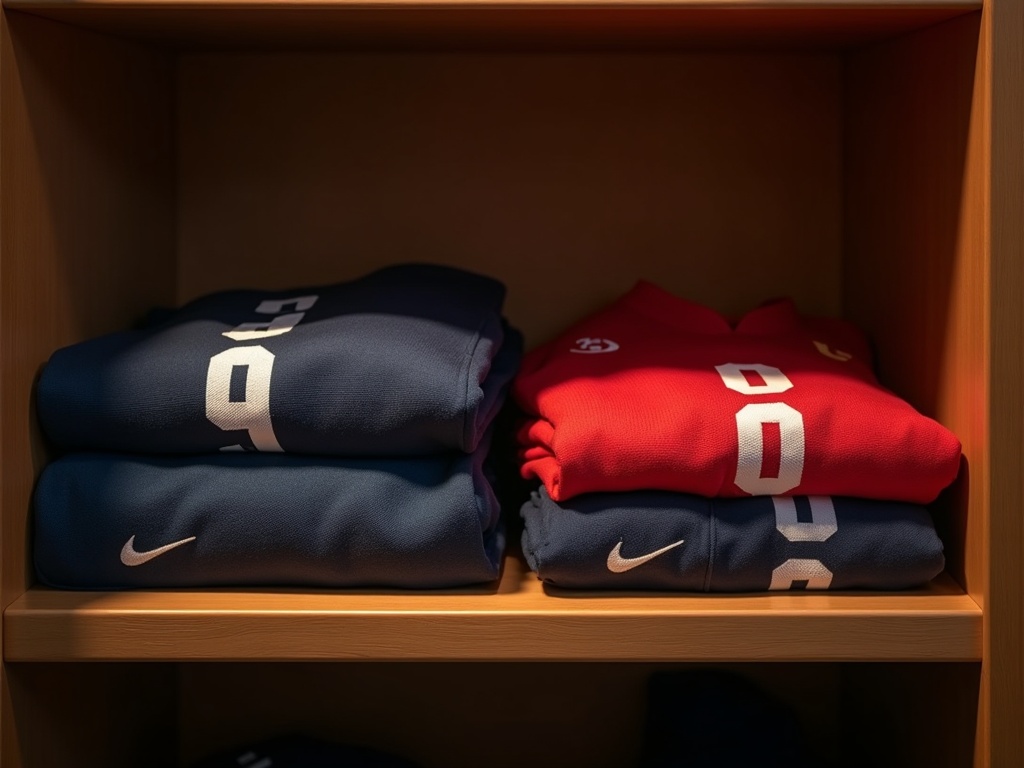
Caring for a personalized jersey goes beyond the wash cycle. How you store it between wears matters just as much.
- Fold rather than hang: a jersey left on a hanger for too long will stretch out at the shoulders and collar. Fold it neatly, print facing inward, and store it flat in a drawer or on a shelf.
- Avoid airtight plastic bags: polyester needs to breathe. Plastic bags trap residual moisture and can cause white or light gray areas of the jersey to yellow over time.
- For collectible pieces: if you own a jersey you want to keep in perfect condition without wearing it, opt for a breathable fabric garment bag and store it away from direct light.
A well-maintained personalized jersey keeps its shine for multiple seasons. The right habits — washing inside out, at 30 °C, no dryer — applied from the very first wash, make all the difference between a print that lasts ten years and a vinyl that starts flaking after just a few months.
The shop
Find your jersey
Clubs, national teams, concept and retro designs. With your name and number, if you like.
- Free shipping from $65
- 3 jerseys = 1 free
- 14-day returns