SPECIAL OFFER BUY 3 JERSEYS = GET 1 FREE

How to Hand Wash a Soccer Jersey Without Damaging It
Maillot d\u00e9dicac\u00e9, vintage ou \u00e0 flocage fragile : le lavage \u00e0 la main est la seule m\u00e9thode vraiment s\u00fbre. Eau ti\u00e8de, savon de Marseille, z\u00e9ro essorage tordu. Le protocole complet, \u00e9tape par \u00e9tape.
In this article6 sections
<![CDATA[
A signed jersey from your favorite player, a vintage 90s gem, or a limited-edition collector’s piece—some soccer jerseys deserve way more than a machine cycle. Hand washing remains the gentlest, most precise, and safest method to preserve namesets, embroidery, and technical fabrics. Here’s how to do it step-by-step without risking any damage.
]]>Why hand washing is essential for certain jerseys
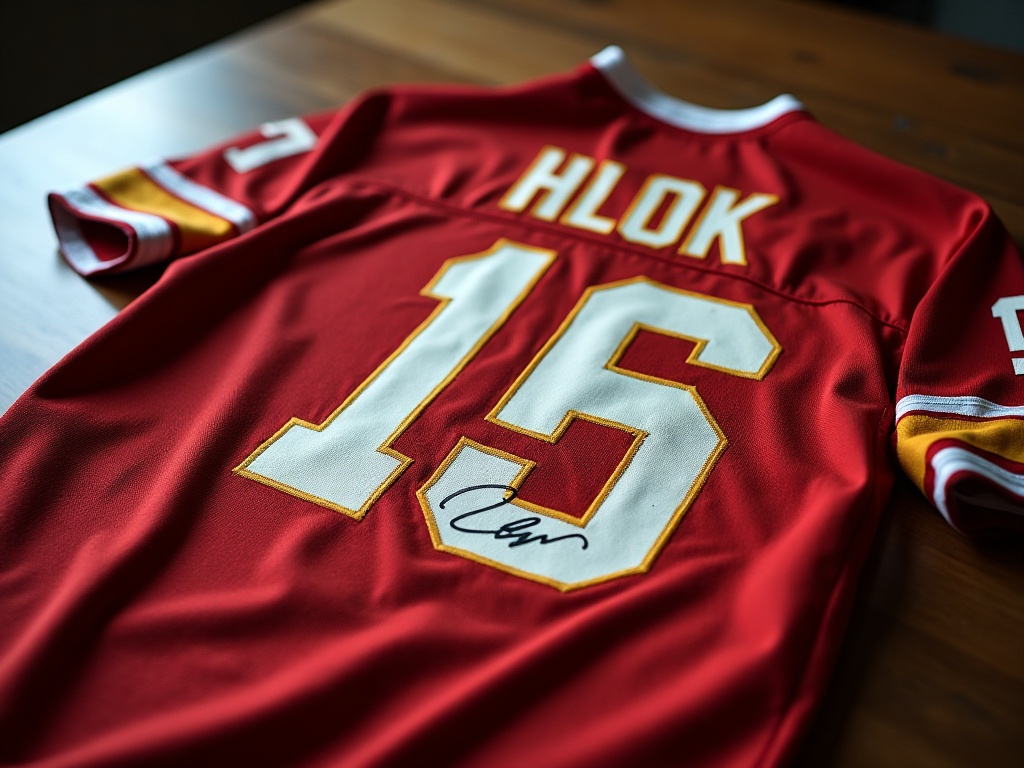
Even on a delicate cycle, the washing machine creates repeated friction, harsh spin cycles, and temperature shifts that are hard to control. For a casual jersey from a big-box store, that’s fine. For a jersey signed in ink, one with vintage heat-pressed lettering, or a piece with delicate synthetic fibers, it’s a different story.
- Ink signatures: Prolonged soaking and mechanical agitation can cause signatures to bleed or fade away.
- Vintage heat-pressed lettering: Numbers and names heat-pressed in the ’80s and ’90s can easily peel off from heat and friction.
- Embroidered badges: Threads can warp or fray in the drum of the machine.
- Mesh jerseys: Small holes can snag, stretch, or tear against other clothing.
Hand washing eliminates all of those risks. You control the pressure, the duration, and the temperature every step of the way.
What you need before you get started
You don’t need any special equipment. The essentials are right in any bathroom:
- A tub, basin, or clean sink
- Lukewarm water (between 68 and 86 °F maximum)
- A mild soap: pure Marseille soap or baby liquid laundry detergent (no enzymes, no harsh fragrances)
- A clean cotton towel
- A wide, padded hanger for drying
What you absolutely must avoid: hot water (above 86 °F, synthetic fibers get deformed), bleach, multi-purpose detergents with whitening agents, and stiff-bristled brushes.
The hand-washing protocol, step by step
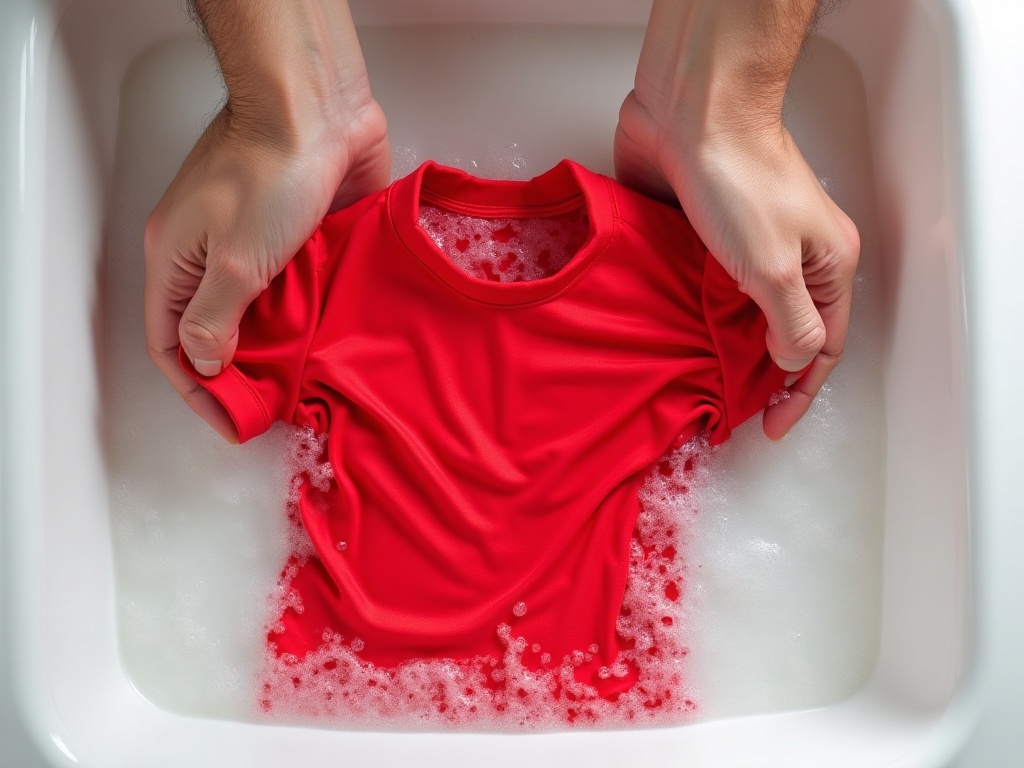
1. Prepare the wash bath
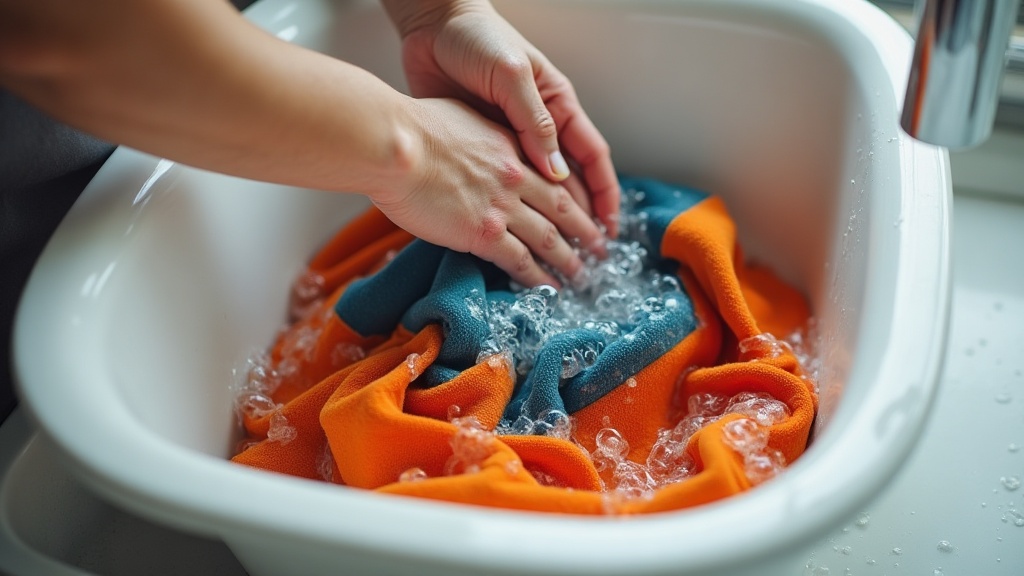
Fill the basin with lukewarm water. Add a small amount of liquid Marseille soap (about a teaspoon) or a few drops of baby laundry detergent. Gently mix with your hand to dissolve the soap before submerging the jersey. A bath that is too soapy is harder to rinse and can leave residue on the fibers.
2. Submerge and let it soak
Place the jersey flat in the bath. Let it soak for 10 to 15 minutes. This soaking phase softens stains and breaks down sweat deposits without any friction. For signed jerseys, this step alone is often enough to clean them without ever directly touching the signature.
3. Scrub gently
Focus on the dirty areas: the collar, underarms, and bottom of the sleeves. Use your fingertips or palm to apply light circular pressure. Never use your nails or a brush. For stubborn stains, apply a very small amount of solid Marseille soap directly to the area, let it sit for two minutes, then massage gently.
4. Rinse with cold water
Empty the bath and replace it with fresh cold water. Rinse the jersey by gently squeezing it between your hands, without twisting. Repeat two to three times until the rinse water is perfectly clear. Even mild detergent residue will damage the fibers over time if it’s not removed.
5. Drying: The golden rule
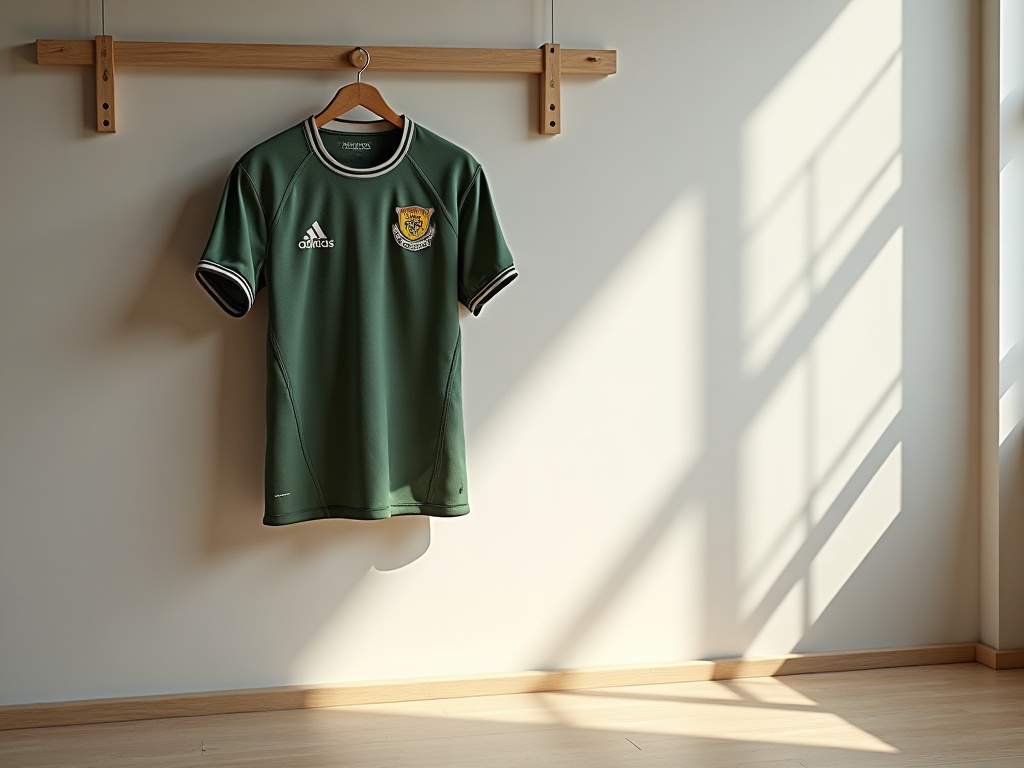
No dryer. Ever. No clothesline in direct sunlight (UV fades bright colors and weakens the names/numbers). Hang the jersey on a wide-shouldered hanger in a shaded, well-ventilated area. Reposition it flat if the shoulders tend to stretch. Air drying usually takes between 6 and 12 hours, depending on the fabric’s thickness.
Special cases: autographs, embroidery, and vintage jerseys
Autographed jersey
The absolute rule: never rub directly over the signature. If the autograph is done with permanent ink (Sharpie), a short soak is usually safe. If you’re unsure about the ink type, just give it a quick rinse in cold water with a tiny amount of soap, carefully avoiding the signed area. Some collectors prefer to wash only the area around the autograph, protecting it with plastic wrap held in place by a light elastic band.
Vintage heat-pressed names/numbers
Turn the jersey inside out before putting it in the bath. Always wash with the interior facing outward. Heat is the number one enemy of old heat-pressed lettering: use cold or only very slightly lukewarm water for these pieces.
Embroideries and patches
Embroideries hold up well to hand washing, but avoid pressing down on them with your fingers. The soaking does the work. During drying, if the embroidered threads have slightly puckered, gently reposition them with your fingers while the fabric is still damp.
Frequently asked questions about hand-washing a soccer jersey
Everything you’re wondering (click to expand).
What water temperature should I use for hand-washing a soccer jersey?
Between 20 and 30 °C (68-86°F) maximum. Lukewarm water dissolves soap and sweat stains well without agitating synthetic fibers or loosening heat-pressed names and numbers. Above 86°F, the risk of distortion and peeling increases significantly.
Can I use dish soap instead of Marseille soap or a mild detergent?
In a pinch, a mild dish soap can work for a light stain. But it often contains degreasers and dyes that, over the long term, can dull the bright colors of jerseys. Marseille soap or a baby laundry detergent remain the safest options for pieces you care about.
How many times can I hand-wash an autographed jersey?
As rarely as possible. Every wash, even a gentle one, stresses the fabric and the ink. The ideal is to treat spot stains with dry methods (color eraser, localized fabric cleaner) and save a full wash for when the entire jersey really needs it.
Will my jersey shrink with hand washing?
Modern soccer jerseys are almost exclusively polyester, a fiber that doesn’t shrink in cold or lukewarm water. Shrinkage risk applies mainly to vintage jerseys made of cotton or cotton-synthetic blends: for those, cold water is mandatory.
Can I iron a soccer jersey after hand-washing?
No, and this is always true. An iron will melt the names/numbers and damage synthetic fibers. If wrinkles remain after drying, a light pass with a garment steamer from a distance (without direct contact with the fabric) is the only acceptable option, and only on areas without lettering or embroidery.
Caring for a soccer jersey over time
A well-washed jersey is good. A jersey that lasts for years is better. A few simple habits can significantly extend the life of a piece:
- Turn the jersey inside out before every wash, whether by hand or machine: this protects the colors and the applied lettering/numbers from friction.
- Store flat or on a wide hanger: thin hangers can create permanent shoulder marks on technical fabrics.
- Avoid airtight plastic bags for long-term storage: residual moisture can promote mold. Opt for a cotton or non-woven fabric garment bag instead.
- Wash promptly after wearing: acidic sweat left on the fibers for several days will gradually damage them.
A soccer jersey—whether it’s the memory of a historic match or a limited-edition collector’s item—deserves the same care as a fashion piece. Hand washing is simply the best tool you have for the job.
The shop
Find your jersey
Clubs, national teams, concept and retro designs. With your name and number, if you like.
- Free shipping from $65
- 3 jerseys = 1 free
- 14-day returns