SPECIAL OFFER BUY 3 JERSEYS = GET 1 FREE

Where to buy a retro soccer jersey in 2026: the complete guide
<p>In 2026, knowing where to buy a retro football jersey requires knowing the right channels: specialized online stores, resale platforms, thrift shops, and limited concept editions. This complete guide helps you find the perfect piece at the right price, without any nasty surprises.</p>
In this article7 sections
- The Retro Soccer Jersey: A Passionate Collector’s Item
- Specialized Online Shops: The Gold Standard in 2026
- Peer-to-Peer Resale Platforms
- Flea Markets, Vintage Fairs, and Garage Sales
- Limited Editions and Concept Jerseys: A Creative Alternative
- Frequently Asked Questions About Buying Retro Soccer Jerseys
- Building a true retro soccer jersey collection
The Retro Soccer Jersey: A Passionate Collector’s Item
“`html
A retro jersey isn’t just a piece of vintage sportswear. It’s a slice of soccer history, a stitched tapestry of emotions worn by generations of fans. The Ajax Amsterdam polo-collar kit from the ’70s, AC Milan’s striped 1988 jersey, the iconic OM star from the ’90s: each piece tells the story of a season, a title, sometimes an entire era.
In 2026, the buzz hasn’t slowed down. If anything, the market for retro soccer jerseys has become much more structured, with very different channels depending on whether you’re hunting for an authentic original piece or a quality official reissue.
Here’s how to navigate this universe without getting lost—or ripped off.
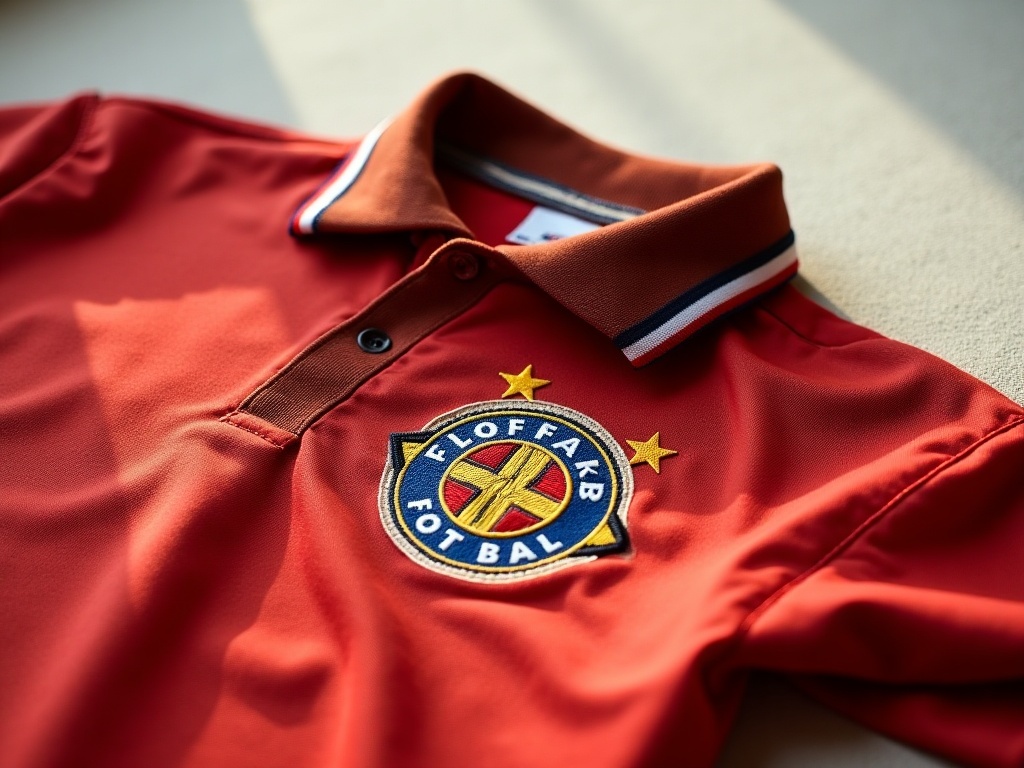
Specialized Online Shops: The Gold Standard in 2026
This is now the most reliable channel to find a retro soccer jersey with guarantees. Several types of shops coexist:
- Official Club Reissues: Many major clubs (Liverpool, Arsenal, Inter Milan, etc.) now offer “heritage” or “archive” collections on their official stores. Quality is top-notch, and designs stay true to the originals.
- Independent Retro Concept Shops: They release limited-run soccer jerseys, often with a strong creative angle. This is where the most sought-after collector’s pieces are born, sometimes reissued in just a few hundred copies.
- Major Multi-Brand Sites: Specialized vintage sports platforms like Classic Football Shirts (UK) or Kitbag stock official reissues and sometimes original-era jerseys in new or near-perfect condition.
Before any online purchase, checking the return policy, product authenticity (official printing or reproduction?), and stock origin is non-negotiable.
Peer-to-Peer Resale Platforms
For hunters of original pieces, resale platforms are still essential. In 2026, several solid options exist:
- Vinted and Vestiaire Collective: Precise filters by sport, brand, decade. The community of vintage soccer-focused sellers is well-established here, especially for Umbro, Adidas Equipment, or Kappa jerseys from the ’90s.
- eBay: Still a must-visit for rare pieces. Watch out for fakes: prioritize sellers with a long history and detailed photos (tags, stitching, printing).
- Facebook and Discord Groups: Very active collector communities where trades often happen at fair prices among enthusiasts. Trust relies on reputation built through transactions.
In any case, never hesitate to ask for extra photos, especially of the collar, stitches, inner tag, and printed details.
Flea Markets, Vintage Fairs, and Garage Sales
In-person shopping still holds a special place for serious collectors. Finding a retro soccer jersey at a flea market is rare but possible, and often at unbeatable prices.
A few specific leads:
- Sports garage sales: In cities with historic clubs (Los Angeles, New York, Chicago, Portland…), families sometimes unload entire supporter collections from the 80s and 90s.
- Textile vintage fairs: Events like the big city vintage markets or retro pop-ups in major U.S. cities are now regularly including dedicated stalls for vintage sportswear, including soccer jerseys.
- Sports consignment shops: Certain specialized stores are starting to accept era-specific jerseys on consignment, creating interesting rotating stock.
The advantage of buying in person: you can touch, inspect, and negotiate. The downside: availability is unpredictable and sizes are rarely in stock on demand.
Limited Editions and Concept Jerseys: A Creative Alternative
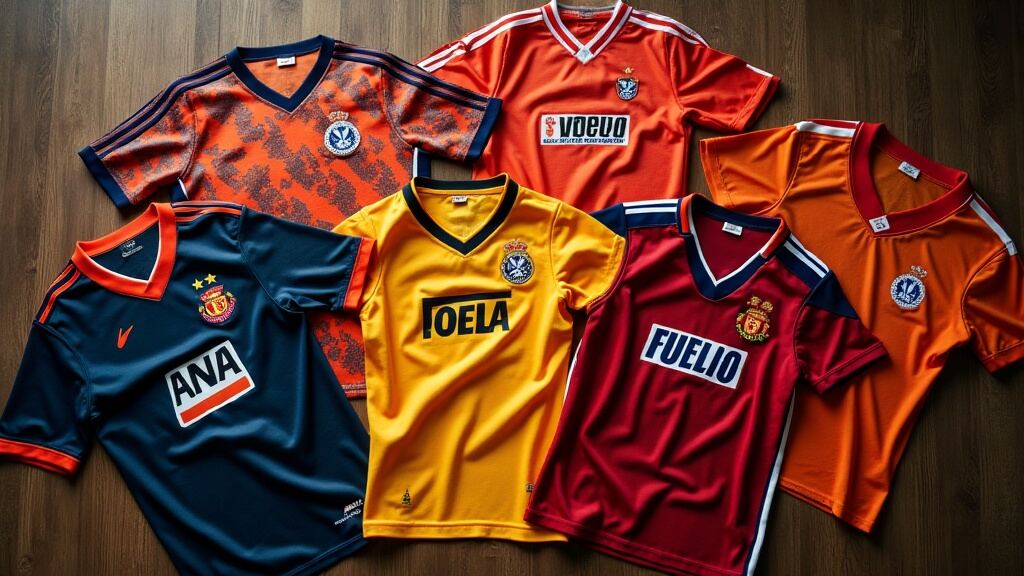
Between the elusive original retro jersey and the sometimes too-conservative official reissue, concept soccer jerseys have won over a passionate audience looking for something different. These creations revisit retro aesthetics with a contemporary twist: period-appropriate colors, modern cuts, and inspirations drawn from across different decades of the same club.
These pieces, often produced in limited numbered editions, cater to both collectors and supporters who want to wear something unique in the stands. They don’t pretend to be original vintage items: they fully embrace their status as artistic creations inspired by soccer heritage.
In 2026, several independent stores offer this type of jersey with special attention to fabrics (breathable materials, weight close to 90s originals) and finishes (screen-printed namesets, embroidered badges).

Frequently Asked Questions About Buying Retro Soccer Jerseys
Everything you’re wondering (click to expand).
How can you tell a real retro jersey from a fake?
An authentic era jersey shows several clues: a hand-stitched label with numeric European sizes, a fabric that’s often thicker and less synthetic than current productions, and visible stitching on the shoulders and sides. Original namesets are typically felt or heat-pressed vinyl, never full sublimation (a technique that came later).
Which decade is most sought after for retro soccer jerseys?
Jerseys from 1988-1998 capture the majority of demand. This period corresponds to the rise of major brands (Umbro, Kappa, Adidas Equipment), very bold designs (geometric patterns, saturated colors), and legendary teams. The 70s are also highly prized for the rarest pieces, but the condition they’re in is often a limiting factor.
What budget should I plan for a quality retro soccer jersey?
For an official club reissue, expect to pay between $68 and $114. For an original vintage jersey in good condition with printing, the range often climbs to between $91 and $285, depending on the club, rarity, and the player on the back. Collector pieces (Champions League finals, World Cups) can exceed $570.
Are concept jerseys worth the investment compared to official reissues?
It depends on what you’re after. A concept jersey offers real exclusivity (limited run, unique design) and often better build quality than mass-market reissues. It doesn’t carry the club’s official seal, but its value among savvy collectors can appreciate over time, especially as Concept Jerseys grows its reputation.
Can you trust the photos of retro jerseys sold on peer-to-peer platforms?
Not always. Some sellers use generic photos found online. Always request photos of the actual jersey from multiple angles: inner tag, collar, armpits (for wear), and close-up of the printing. A serious seller will never refuse to provide them.
Building a true retro soccer jersey collection
Buying a retro soccer jersey is an act; building a collection is a journey. The most passionate collectors in 2026 often favor a strong narrative angle: all the jerseys from the same club across 30 years, every national team kit from a single World Cup, or all the designs from a specific manufacturer (Kappa, Le Coq Sportif, Umbro).
This approach makes the collection cohesive, easier to value, and often more meaningful to share. Each acquisition becomes a piece of a larger puzzle rather than just a spur-of-the-moment purchase.
Proper storage is also critical: flat in UV-protective sleeves, away from humidity and direct light. A poorly preserved vintage soccer jersey quickly loses value and beauty. The finest specimens deserve framing worthy of art galleries—some collectors now display them as genuine textile works.
The shop
Find your jersey
Clubs, national teams, concept and retro designs. With your name and number, if you like.
- Free shipping from $65
- 3 jerseys = 1 free
- 14-day returns